What this service covers
Stop wasted water, unstable bases, and repeat toilet problems.
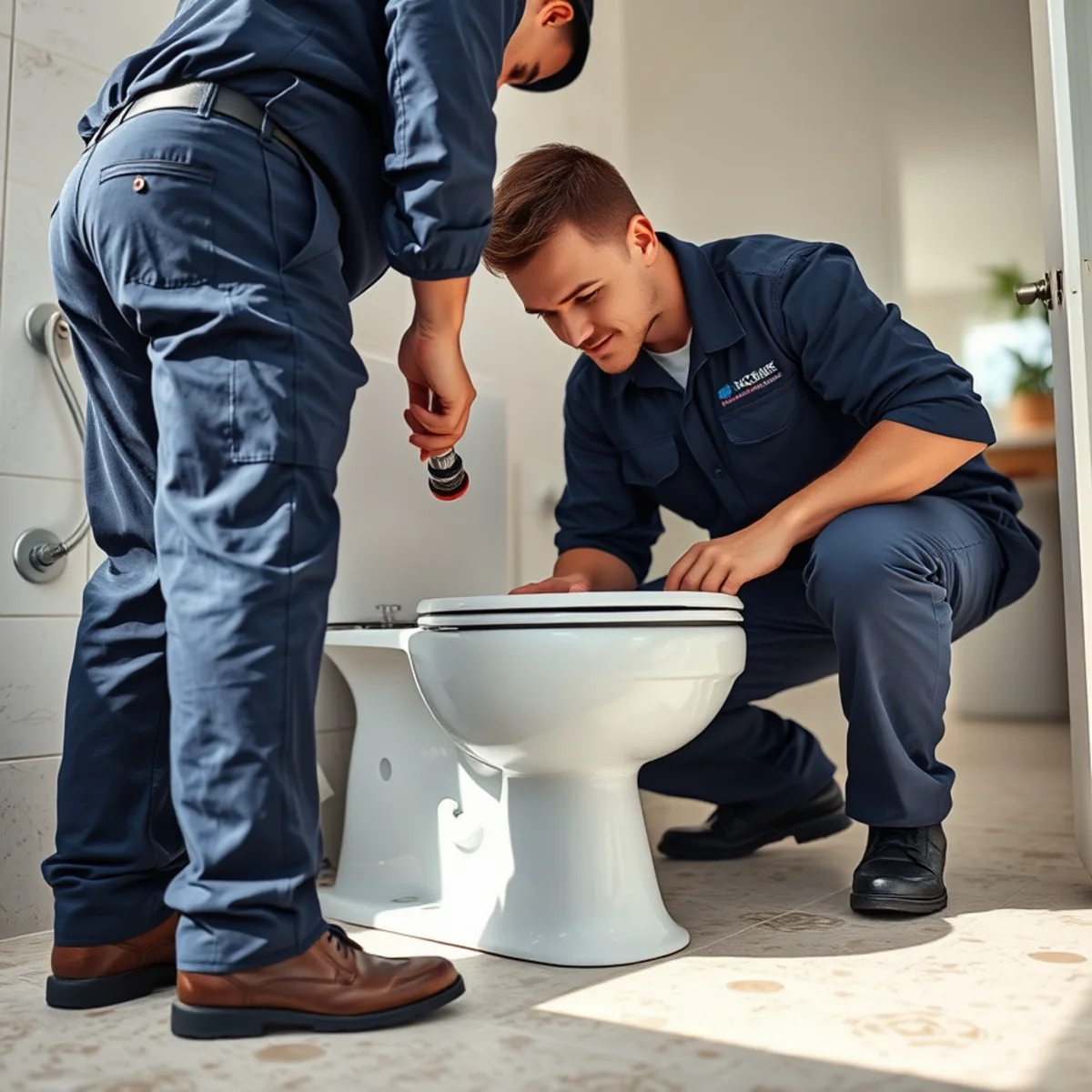
Miami bathrooms range from compact condo rooms with scheduled shutoffs to older homes with corroded flanges and remodeled floors. A new toilet cannot correct a damaged branch line or poor venting, and a wax ring should not be used to hide an unstable flange.
Signs it is time to request toilet repair
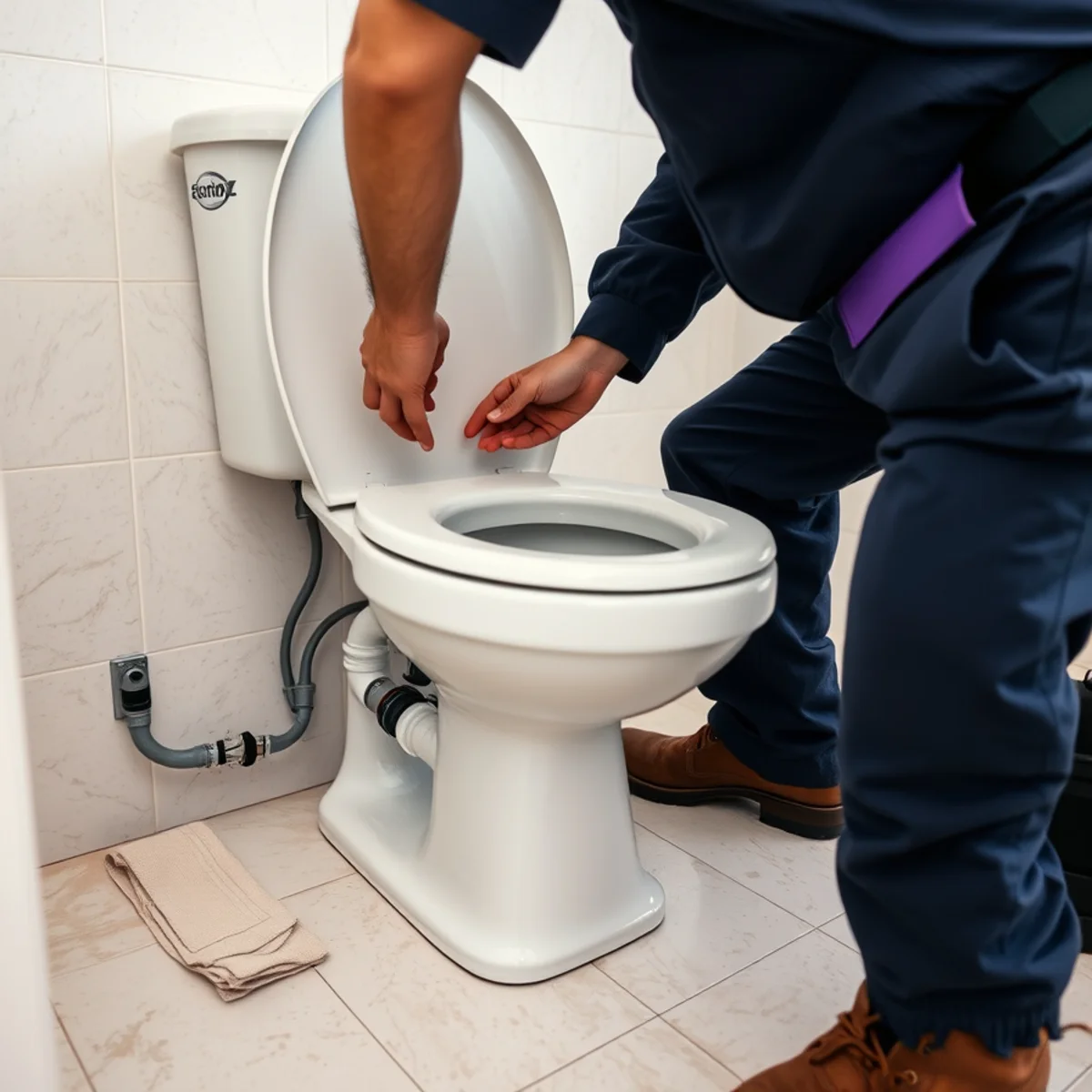
The pattern, timing, and number of affected fixtures often tell more than the loudest symptom. These signs are reasons to schedule diagnosis, not proof that the most expensive repair is necessary.
- The toilet runs between uses
- Water appears around the base
- The bowl rocks or shifts
- Flushes are weak or incomplete
- The toilet clogs repeatedly or bubbles with other drains
How BH Plumbing & Drain Service approaches the work
Each appointment moves from protection and diagnosis to an approved scope, completed work, and verification. The exact equipment and tests change with the system, but the decision path remains clear.
Listen and protect the work area
We start with the symptoms you have noticed, protect nearby floors and finishes, and identify any immediate shutoff or containment step.
Test the tank, seal, flange, supply, and drain behavior
The technician checks the accessible system, tests the likely causes, and explains what the evidence shows before recommending work.
Repair components or install the approved compatible toilet
After you approve the written scope, the repair or installation is completed with attention to clean connections, safe operation, and the surrounding property.
Verify and explain
We operate the system, check for leaks or restored flow, clean the work area, and explain practical steps that may help prevent a repeat problem.
Why does a toilet keep running?
A running toilet commonly has a leaking flapper or flush seal, incorrect chain or float adjustment, failing fill valve, excessive water level, or worn flush-valve components. Testing identifies which part is allowing water to pass.
Dye testing and observing the refill cycle can distinguish a silent tank leak from normal refilling. Replacing every tank part is not always necessary.
What causes water around the toilet base?
Water at the base can come from a failed bowl seal, loose or damaged flange, tank bolts, supply connection, condensation, or splash. The source should be dried and observed before the toilet is removed.
If the flange is broken or below a remodeled floor, the correction must leave the bowl supported and sealed—not merely tightened against tile.
How do I choose a replacement toilet?
Confirm the rough-in distance, bowl shape, available clearance, seat height, water-supply position, flush performance, and any condo or accessibility requirements. The fixture must fit the room and connect to a sound flange.
Commercial flushometers, wall-mounted bowls, pressure-assisted units, and smart toilets require different supplies and service clearances.
Which toilet system is causing the symptom?
A toilet can lose water inside the tank, leak from a pressurized supply connection, release water at the tank or bowl, fail at the floor connection, or respond to a trapway or downstream drain restriction. Drying the fixture, observing when water appears, comparing nearby drains, and testing one function at a time prevents a flapper, wax seal, flange, or toilet from being blamed without evidence.
For a toilet that runs or refills between uses, observe the handle and chain, flapper or canister seal, flush-valve seat, overflow tube, float and fill valve. Water entering the overflow points to fill level or valve control; water passing silently from tank to bowl can be confirmed with a controlled dye check without proving which component is worn until the tank is inspected. A handle that sticks or a chain that binds can hold the seal open. Slow refill can involve the fill valve, inlet screen, supply connector, angle stop or broader pressure, while a stop that does not close is a separate repair decision. For visible water, dry the stop, connector, fill-valve shank, tank bolts, tank-to-bowl gasket, tank, bowl and floor before operating the fixture. Water can travel down porcelain and collect at the base, so a wet floor does not automatically prove a failed wax or elastomeric seal. Water that appears only during a flush can support investigation of the bowl-to-flange seal, flange, fixture horn or drain connection; a rocking bowl raises questions about fastening, flange condition, finish-floor height and floor or subfloor support. A crack in vitreous china is different from condensation on a cool tank or bowl. For clogs, one object can lodge in the bowl trapway, while a restricted branch or main line can make the toilet bubble when a shower or another fixture drains. Repeated clogs, several affected fixtures, backup at the lowest opening or water that rises without a toilet flush justify downstream diagnosis; installing a new bowl does not clear or repair that line.
When should a toilet be repaired, reset, or replaced?
Repair is usually the narrowest option when a compatible handle, seal, flapper, fill valve, flush valve, tank gasket, bolt, stop or connector has failed and the fixture is sound. Resetting removes a serviceable bowl to inspect and correct its seal, flange and support. Replacement is justified by confirmed fixture damage, incompatible or unavailable parts, unsuitable fit or a documented performance or efficiency goal—not by age alone.
A tank-component repair should match the exact flush-valve diameter, seal design, fill height, overflow relationship and manufacturer adjustment range. A universal-looking part can alter flush volume, hold the seal open or fail to seat. Stop, connector and tank-joint work should be scoped separately from an internal tank repair because disturbing corroded connections can expose another defect. A reset is more than installing a thicker ring: after the bowl is lifted, inspect the fixture horn, flange material and elevation, flange-to-drain connection, corrosion-resistant anchors, bolt slots, finished floor and structural support. A cracked, detached or badly positioned flange or a soft, uneven floor must be corrected within an approved scope before a new seal is asked to carry movement. The bowl should sit stable without using the flange bolts to force porcelain against an uneven surface. Replacement can be sensible for a cracked tank or bowl, damage at a mounting surface, parts that cannot be matched, a model that cannot fit the room, repeated fixture-specific failures after the drain is proven serviceable, or an independently certified efficiency upgrade. Compare the complete scope: bowl and tank or one-piece unit, seat, seal, bolts, connector, stop condition, removal, building access and restoration. A weak flush caused by a restricted branch, poor venting, incompatible rough-in, low supply to a flushometer or another system condition will not be corrected merely by changing the fixture. Commercial flushometer, wall-hung, pressure-assist and powered toilets also have different supplies, carriers, controls and service procedures from a residential gravity tank.
What must be confirmed before choosing a replacement toilet or bidet seat?
Start with the exact model specification and field measurements: finished-wall-to-outlet rough-in, bowl projection and width, round or elongated seat, rim and seat height, side and front clearance, supply-stop position, door and vanity swing, flange condition and service access. A product name such as chair height, universal height, smart or ADA does not by itself prove that the room, installation or electrical and water connections comply.
Measure rough-in from the finished wall—not the baseboard—to the center of the floor outlet or flange bolts, then compare the manufacturer’s drawing and any required outlet adapter. A nominal 10-, 12- or 14-inch family is not interchangeable unless the exact model or approved adapter supports it. An elongated bowl projects farther than many round-front models and can conflict with a door, vanity or narrow condo bathroom. The Florida Plumbing Code provides general fixture clearances, while an accessible toilet room can also depend on centerline, seat height, clear floor space, door, grab bars, controls, lavatory and protected-pipe conditions; buying a taller bowl alone does not make the room compliant. Confirm whether the seat, wax or elastomeric seal, supply connector, mounting hardware and adapter are included rather than assuming every box is complete. Check that the existing stop is reachable, operates without forcing and aligns with the new tank or skirt; a concealed or skirted model can need different access. For a bidet seat or integrated personal-hygiene device, verify bowl shape and mounting distance, seat opening, lid clearance, water connection, approved device standard, backflow protection and the manufacturer’s required electrical supply. A cord should not be stretched across the room or adapted to an unsuitable outlet; any new receptacle, GFCI protection or circuit work follows the product instructions, adopted code and appropriate electrical scope. In a Brickell or Miami Beach condo, management may control the riser shutoff, water-off notice, elevator, loading, parking, unit access, protection and powered-fixture approvals. Confirm those conditions and who supplies the fixture before scheduling removal.
What belongs in a code-conscious installation, estimate, test, and closeout?
A complete scope identifies the fixture and jurisdiction, protects the room, uses an authorized shutoff, inspects the flange and supporting floor, installs the approved seal and hardware to the model instructions, restores water, and tests every disturbed joint plus fill, flush, refill, stability and drain behavior. Price changes with parts, fixture type, access, flange or floor correction, drain work, building rules, permit scope and restoration.
For a floor-outlet toilet, the flange must remain connected to the drain and anchored to the structure, the fixture must be set level and aligned within required clearances, corrosion-resistant fastening must secure it without cracking the porcelain, and the flange-to-fixture seal must suit the connection and manufacturer instructions. Finished-floor buildup can leave a flange too low, while a damaged flange or unsupported floor can allow rocking that defeats a new seal. Do not conceal those conditions under stacked or oversized materials without an approved correction. If efficiency is a selection goal, verify the exact model in current WaterSense certification information: EPA’s label reflects independent efficiency and performance certification and is not established by marketing language, brand or bowl height. Permit treatment follows the exact address and work. Unincorporated Miami-Dade lists qualifying repair or replacement of a water closet by a plumbing contractor as exempt, but replacing or rearranging a concealed trap, drain, valve or pipe, changing layout, adding electrical work or working inside a municipality can change the permit and inspection path. Before use, inspect the stop, connector, inlet shank, tank bolts and gasket under pressure; confirm the fill valve shuts at the specified waterline, the handle and flush seal release and reseat, the refill enters its intended path, and the tank does not cycle after filling. Perform repeated controlled flushes, observe bowl evacuation and refill, check the base and surrounding floor, and confirm the bowl remains stable. A dye check can verify hidden tank-to-bowl passage after adjustment. If other fixtures gurgle or the bowl rises abnormally, stop and investigate the branch or main line instead of declaring the installation complete. Closeout records the model, rough-in or adapter, parts installed, stop and connector status, flange or floor findings, tests, permit or inspection status, and exclusions. Tile, flooring, subfloor, drywall, paint, electrical work and drain correction remain separate unless the written estimate assigns them.
What affects the estimate?
A responsible estimate reflects the condition, access, materials, equipment, permit path, and restoration—not just the service name. BH Plumbing & Drain Service does not publish a fake range that could exclude the work needed at your property.
- Repair parts versus full fixture replacement
- Flange, shutoff, supply, and floor condition
- Residential tank toilet versus commercial flushometer
- Fixture weight, access, disposal, and building rules
- Drain correction, permits, or finish repair discovered after removal
Miami-specific planning for toilet repair
Miami bathrooms range from compact condo rooms with scheduled shutoffs to older homes with corroded flanges and remodeled floors. A new toilet cannot correct a damaged branch line or poor venting, and a wax ring should not be used to hide an unstable flange.
Properties inside Miami-Dade’s 34 municipalities may use a city building department, while unincorporated parcels generally use County permitting. Condos can add management approval, service-elevator rules, vendor documents, unit protection, and shared water or drain shutdowns. Those conditions belong in the scope before work starts.
Technical entities you may hear during diagnosis
These terms describe parts, tools, or conditions relevant to this service. The technician should translate them into visible evidence and a practical decision rather than use jargon as a substitute for explanation.
- fill valve
- flapper
- flush valve
- wax ring
- closet flange
- trapway
- angle stop
- supply connector
- rough-in
- flushometer