Who is responsible for a condo plumbing leak?
Responsibility depends on the declaration, bylaws, maintenance boundaries, source, and applicable law—not simply where water appears. Unit fixtures and branches may differ from shared stacks, risers, or common elements.
Document the visible damage, notify management, and identify the source before assigning responsibility. The plumber can describe the failed component and location, but should not make the association’s legal or insurance decision.
When does the building need to shut off water?
A building or riser shutdown may be needed when the repair cannot be isolated by a functioning unit stop or when work affects a shared vertical supply. Management controls timing, notice, access, and restart procedures.
Confirm valve condition before the work window. A failed building valve can change the scope. Notify affected residents and leave time for testing, air removal, and checking adjacent units after service resumes.
What paperwork may a condo require?
Buildings commonly request contractor licensing information, insurance certificates, scope of work, worker names, access dates, permits, and protection plans. Requirements vary, so management should provide the current package.
BH Plumbing & Drain Service keeps unconfirmed license and insurance details out of marketing claims. For an actual project, qualification and building-required documents must be confirmed before approval and scheduling.
How are vertical-stack problems diagnosed?
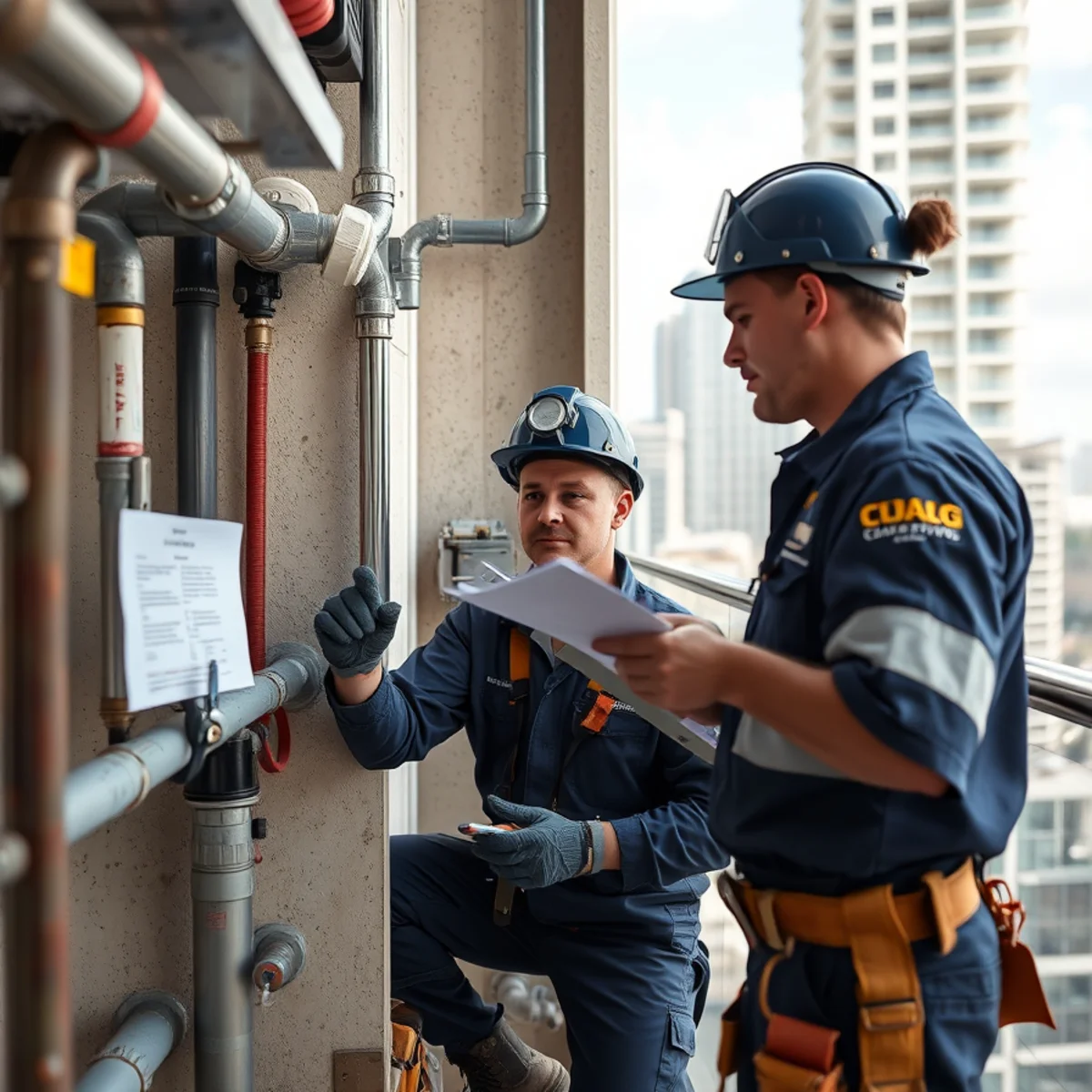
Technicians compare which floors and fixtures are affected, inspect accessible cleanouts, use cameras when possible, and coordinate tests between units. Water traveling down a chase can make the visible damage several floors away from the source.
A stack clog, branch clog, supply riser leak, drain leak, shower waterproofing failure, and condensation require different work. Multi-unit observation is often more valuable than opening the first stained wall.
Practical next steps
Record the symptom before changing the system, protect people and finishes from active water or sewage, and choose the diagnostic step that can distinguish a maintenance issue from damaged equipment or piping.
- Notify management before disruptive testing or shutdowns.
- Collect building vendor rules and plumbing diagrams if available.
- Document all affected units and when symptoms appear.
- Define protection, elevator, parking, access, and finish restoration in writing.
How property type changes the decision
Before opening a condo wall or scheduling a shutdown, identify unit boundaries, common elements, management contacts, elevator access, protection rules, vendor documents, and neighbor notifications. Ask who restores finishes and who can authorize work if the source crosses units. Good coordination is part of the repair, not an administrative afterthought.
Before calling, make a short timeline: when the symptom started, what changed immediately before it, which fixtures or equipment react together, whether a shutoff changes it, and what prior service found. Photograph labels, connections, stains, cleanouts, or error codes without entering an unsafe area. That record helps the plumber select the first test and keeps a quote tied to the actual property.
Relevant Miami plumbing services
The following service guides explain how the diagnosis, equipment, scope, and pricing factors connect to this topic.
For additional local context, see plumbing service in Brickell and plumbing service in Aventura.
Bottom line
The fastest condo repair is often the one coordinated correctly before tools arrive. BH Plumbing & Drain Service helps define the plumbing source and scope; owners and management align responsibility, access, shutdowns, and documents. That division prevents delays and protects neighboring units.