
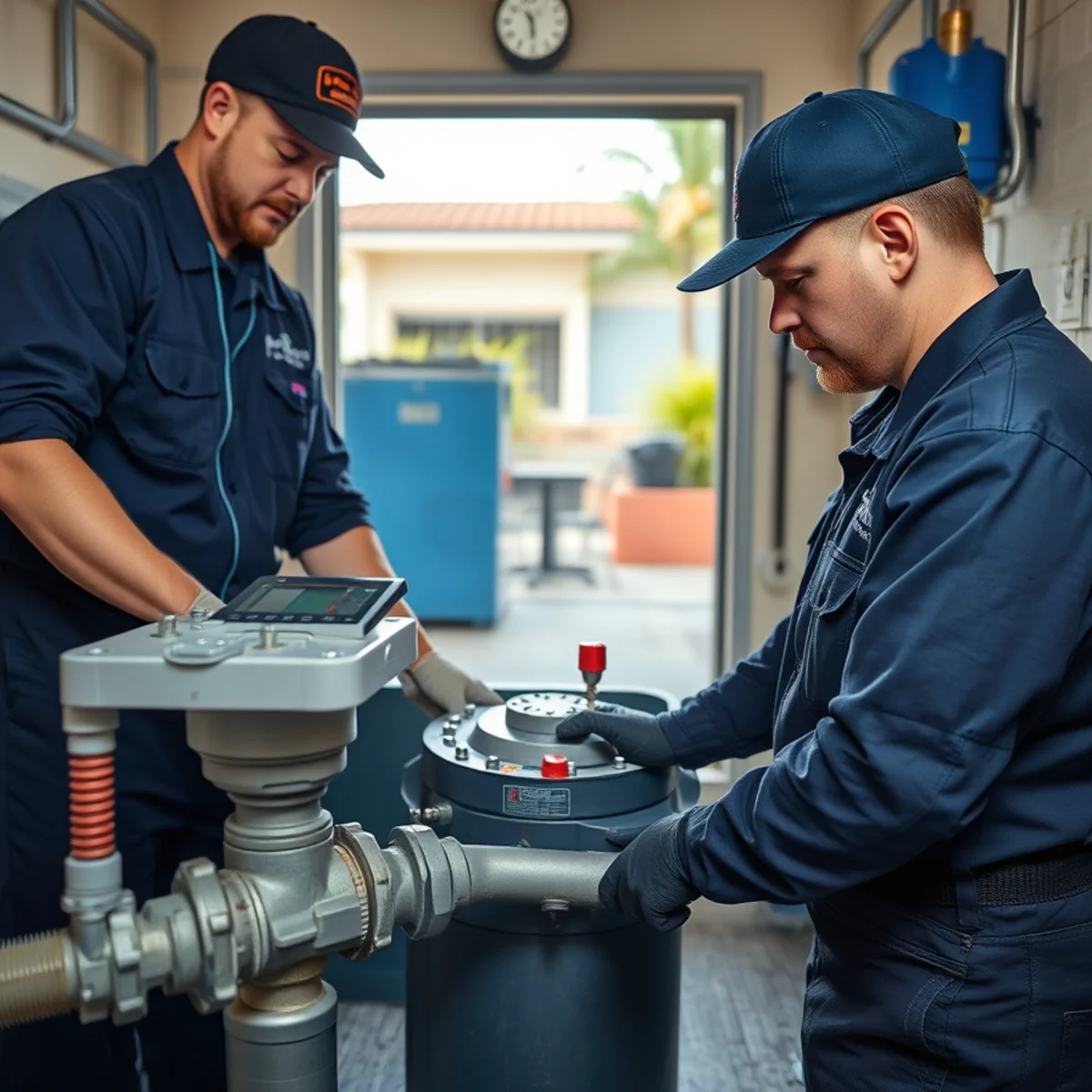
What this service covers
A pump system is only as reliable as its basin, discharge, power, and maintenance.
Miami’s high groundwater and intense rain do not mean every wet area needs a basement-style sump pump. Site grading, roof runoff, storm connections, seawalls, elevator pits, garages, and equipment rooms can involve different systems and authorities. The source and legal discharge point must be established first.
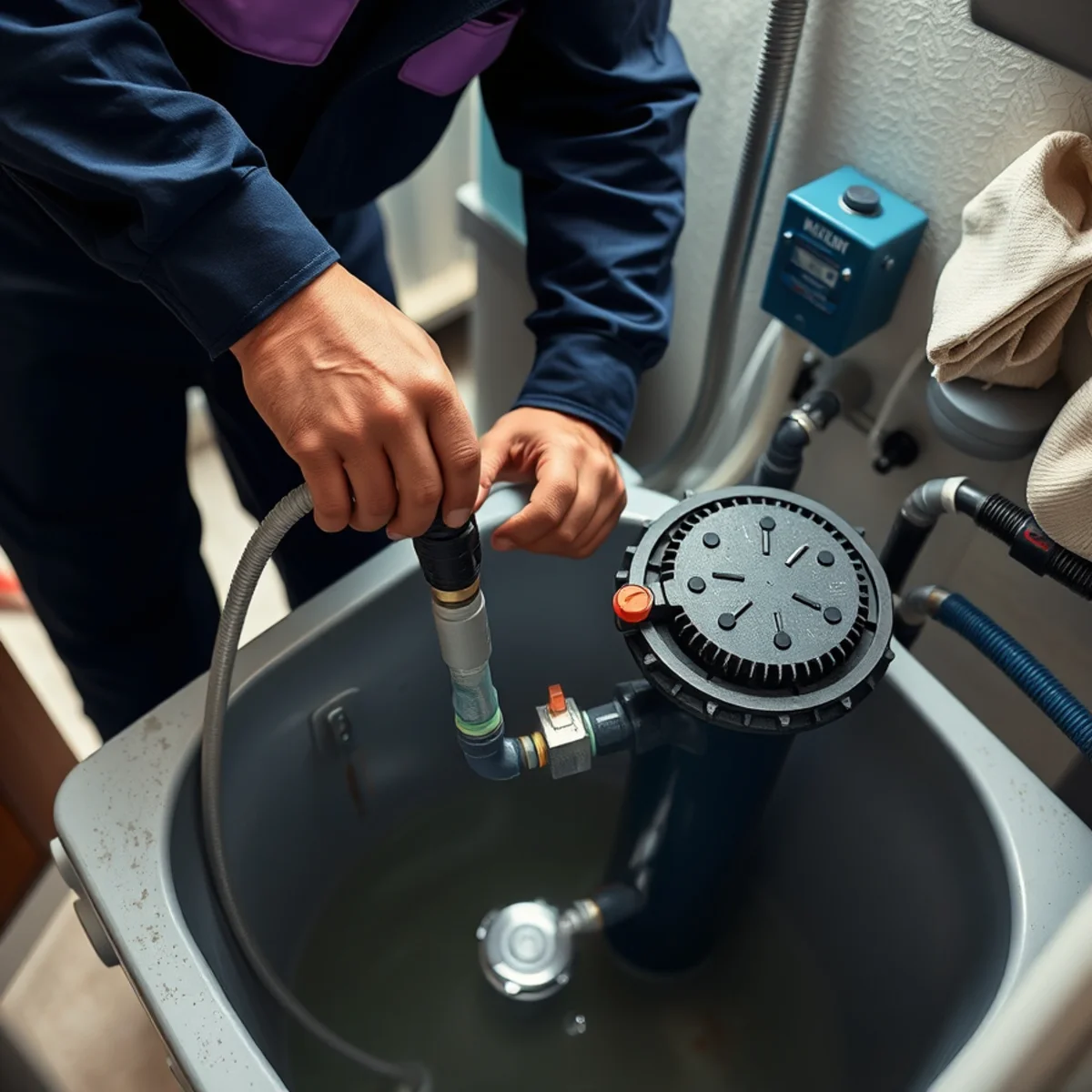
Signs it is time to request sump pumps
The pattern, timing, and number of affected fixtures often tell more than the loudest symptom. These signs are reasons to schedule diagnosis, not proof that the most expensive repair is necessary.
- A basin fills but the pump does not start
- The pump short-cycles or runs continuously
- Water returns after the pump stops
- The discharge leaks or drains toward the building
- A low area needs an engineered drainage evaluation
How BH Plumbing & Drain Service approaches the work
Each appointment moves from protection and diagnosis to an approved scope, completed work, and verification. The exact equipment and tests change with the system, but the decision path remains clear.
Listen and protect the work area
We start with the symptoms you have noticed, protect nearby floors and finishes, and identify any immediate shutoff or containment step.
Identify the water source, basin, discharge, power, and code constraints
The technician checks the accessible system, tests the likely causes, and explains what the evidence shows before recommending work.
Repair or install the approved pump system and test operation
After you approve the written scope, the repair or installation is completed with attention to clean connections, safe operation, and the surrounding property.
Verify and explain
We operate the system, check for leaks or restored flow, clean the work area, and explain practical steps that may help prevent a repeat problem.
Do Miami homes need sump pumps?
Some low areas, equipment rooms, garages, or specialty properties use drainage pumps, but many slab-on-grade homes do not have conventional basements. A pump should be selected only after the water source and permitted discharge location are understood.
Pumping groundwater or stormwater into a sanitary line may be prohibited. Site drainage can require a civil, structural, electrical, or waterproofing professional.
Why does a sump pump run but not remove water?
The impeller may be obstructed, the check valve stuck, the discharge blocked or undersized, the lift too high, the pump airlocked, or inflow greater than capacity. Each condition needs a different correction.
Repeated operation without flow can overheat or damage a pump. Disconnect power safely before any inspection.
Should a sump pump have backup power?
Backup power can reduce risk when outages coincide with storms, but the system must be sized for expected inflow and outage duration. Batteries, secondary pumps, alarms, generators, and maintenance have different limitations.
An alarm provides warning but does not remove water. Electrical work must follow wet-location and product requirements.
What kind of water and pump system is this?
A sump pump should move identified groundwater, subsoil water, or another approved drainage source—not raw sewage. Before service, trace each basin inlet and distinguish seepage or site drainage from a sewage ejector, condensate pump, elevator-pit system, equipment-room drain, garage collection point, or public stormwater problem. The liquid, hazards, ownership, access, basin, controls, and legal destination determine the pump class.
Observe when water enters: during dry weather, rainfall, irrigation, roof runoff, fixture use, HVAC operation, equipment discharge, tidal conditions, or another repeatable event. A conventional drainage sump can collect groundwater or subsoil drainage, but it should not be described as a sanitary sewage system. Waste from a bathroom or other fixture requires the correct sewage pump or ejector, solids-handling capacity, covered and vented basin, valves, sanitary connection, alarm and code-compliant service arrangement. Condensate can involve equipment instructions, temperature or treatment requirements and a different small-pump duty. Elevator pits require controlled access and can involve an elevator contractor, oil separation, monitoring and environmental requirements; a generic plumbing sump scope must not be assumed. Garages, loading areas and equipment rooms can receive oil, sediment, chemicals or process water that changes collection and discharge rules. Roof and site runoff belongs in an approved drainage strategy, while water accumulating in a street, canal, public right-of-way or municipal storm system is not automatically solvable or legally removable with a private pump. Record the source, inlet ownership, contents, debris or solids, temperature, basin condition, destination, authority and excluded systems before diagnosing or selecting equipment.
Why does a sump pump not start, short-cycle, run continuously, make noise, or overflow?
A no-start can involve the supply, disconnect, receptacle or hardwire, controller, overload, float, intake, impeller, or motor. Short-cycling often points to basin volume, on/off levels, float interference, or check-valve return. Continuous running can reflect a stuck control, blocked or air-locked discharge, excessive lift, worn pump, undersizing, or inflow beyond capacity. Noise and overflow need the same system-wide diagnosis.
Keep people away from standing water and wet electrical equipment, and isolate power only through a known safe control; do not reach into a basin or reset a wet breaker or receptacle. Record the water level, alarm state, controller indication and whether the pump is silent, humming, starting briefly, running without flow or stopping at the wrong level. Verify that incoming piping, cords, debris and basin walls do not obstruct float travel, and compare the actual start and stop levels with the basin’s usable range. Inspect an accessible intake and impeller path for debris only after safe isolation and according to the equipment instructions. A failed or reversed check valve can let the discharge column fall back and restart the pump, while a leaking joint or unsupported pipe can add noise and water loss. A blocked outlet, closed valve, crushed line, excessive fittings, high static lift or model-specific air lock can make a running pump deliver little water. Any vent or weep detail must follow the exact pump and check-valve instructions rather than a generic drilled-hole rule. Continuous operation can also be a correct response to extraordinary inflow; compare observed inflow with the pump curve before condemning the control. A high-water alarm proves only that its sensor and annunciation worked during the test—it does not identify the cause or remove water. Document power, float, pump, basin, check valve, discharge flow, outlet condition, leakage, return flow and alarm behavior before choosing a part.
When should the system be repaired, replaced, or newly engineered?
Repair fits a proven, accessible float, check valve, discharge, controller, or compatible component defect when the remaining system is serviceable. Replacement fits confirmed pump failure, corrosion, incompatibility, or performance shortfall when the basin, route, power, and destination remain sound. A new installation needs drainage and discharge design. Size from defensible peak inflow, total dynamic head, duty, and the pump curve—not horsepower alone.
Start with evidence: source and likely peak inflow, basin inlet elevations, usable working volume between on and off levels, required lift, discharge pipe size and material, length, fittings, check valve and outlet elevation. Total dynamic head combines static lift with friction loss; plot the required operating point on the manufacturer’s performance curve and confirm that the pump can deliver the needed flow at that head. Consider cycle frequency, expected duty, solids or debris, liquid temperature, corrosion exposure, access and the consequence of failure. A larger horsepower label does not prove adequate performance and can create rapid cycling when the basin and controls are mismatched. Repair can be proportionate when an exact compatible float, switch, controller, check valve, alarm component or accessible discharge defect explains the symptoms and the pump still performs at the required point. Replacement becomes more defensible when the motor or winding fails, the casing or cord is compromised, corrosion is material, parts are unavailable, the model is unsuitable for the liquid, or measured performance cannot meet the duty. A new collection point requires more than dropping a pump into a container: confirm basin support and access, cover and venting where the system requires them, inlet arrangement, clear float travel, pump stability, check and isolation provisions where applicable, supported pressure-rated discharge, electrical connection, alarm and a lawful destination. Primary and secondary pumps can alternate or stage only when their controls and duty are designed together. A drainage sump must never be substituted for a sewage ejector, and an alarm or backup unit does not correct an undersized inlet, blocked public system or unauthorized discharge.
What belongs in a Miami discharge, backup, permit, test, and maintenance plan?
A written scope should name the water source, authorized discharge destination, approving authority, permits and inspections, electrical requirements, pump operating point, basin, valves, alarm, backup, test method, restoration, and exclusions. Backup reduces outage risk but has finite pumping and stored-energy capacity and can fail. Closeout should simulate operating levels, verify flow and controls, document results, and give the owner a maintenance plan.
Do not assume groundwater or stormwater may enter a sanitary sewer, discharge across a neighboring property, flow to a curb, cross a public right-of-way, or enter a canal or water body. Confirm the exact address, municipality or unincorporated jurisdiction, property drainage plan, easements, serving storm or sanitary authority and any environmental, plumbing, electrical, building or right-of-way review. A new or altered outfall to a County water body can require separate environmental approval. Backflow protection, an air gap, venting, check or isolation valves, GFCI protection, a dedicated circuit, hardwiring, disconnects and separate alarm power are not universal details; apply the adopted code, approved plans, product listing and location-specific electrical requirements to the classified system. Miami’s high groundwater, intense rain and hurricane-season outages can occur together. A secondary pump, battery/controller, generator connection or high-water alarm can reduce a defined risk, but each has limited flow, head, energy, transfer behavior and maintenance needs. Record the design event and exclusions; do not describe any combination as floodproofing or guaranteed flood prevention. The estimate should separate diagnosis, design or specialist coordination, pump and controls, basin and excavation, discharge routing, valves and alarm, electrical work, permit/inspection, dewatering, access, concrete or landscape restoration and recurring battery or equipment care. Closeout should simulate the safe operating range, verify float clearance and on/off levels, primary and secondary sequence where installed, pump flow at the outlet, check-valve hold, supported leak-free piping, alarm annunciation, controller indications and backup response as designed. Record test conditions and unresolved limits. Owner instructions should cover safe visual checks, basin debris, float movement, discharge outlet, alarm status, battery/controller indications, manufacturer maintenance, service logs and testing before the wet season or after long idle periods—without asking an owner to enter a basin or handle wet electrical equipment.
What affects the estimate?
A responsible estimate reflects the condition, access, materials, equipment, permit path, and restoration—not just the service name. BH Plumbing & Drain Service does not publish a fake range that could exclude the work needed at your property.
- Pump capacity, head height, and duty cycle
- Existing basin, float, check valve, and discharge condition
- New pit, drainage collection, or route requirements
- Alarm, backup power, and electrical coordination
- Permits, excavation, high groundwater, and restoration
Miami-specific planning for sump pumps
Miami’s high groundwater and intense rain do not mean every wet area needs a basement-style sump pump. Site grading, roof runoff, storm connections, seawalls, elevator pits, garages, and equipment rooms can involve different systems and authorities. The source and legal discharge point must be established first.
Properties inside Miami-Dade’s 34 municipalities may use a city building department, while unincorporated parcels generally use County permitting. Condos can add management approval, service-elevator rules, vendor documents, unit protection, and shared water or drain shutdowns. Those conditions belong in the scope before work starts.
Technical entities you may hear during diagnosis
These terms describe parts, tools, or conditions relevant to this service. The technician should translate them into visible evidence and a practical decision rather than use jargon as a substitute for explanation.
- sump basin
- submersible pump
- float switch
- check valve
- discharge line
- high-water alarm
- battery backup
- GFCI
- groundwater
- storm drainage