Local plumbing context
Plumbing across Miami Beach is not one building type
Properties around South Beach, the Art Deco Historic District, Mid-Beach, North Beach, and Collins Avenue include historic hotels, Art Deco apartments, mid-century buildings, luxury towers, and waterfront homes. A useful plumber starts by identifying which system, material, and ownership boundary is involved before recommending cleaning, repair, or replacement.
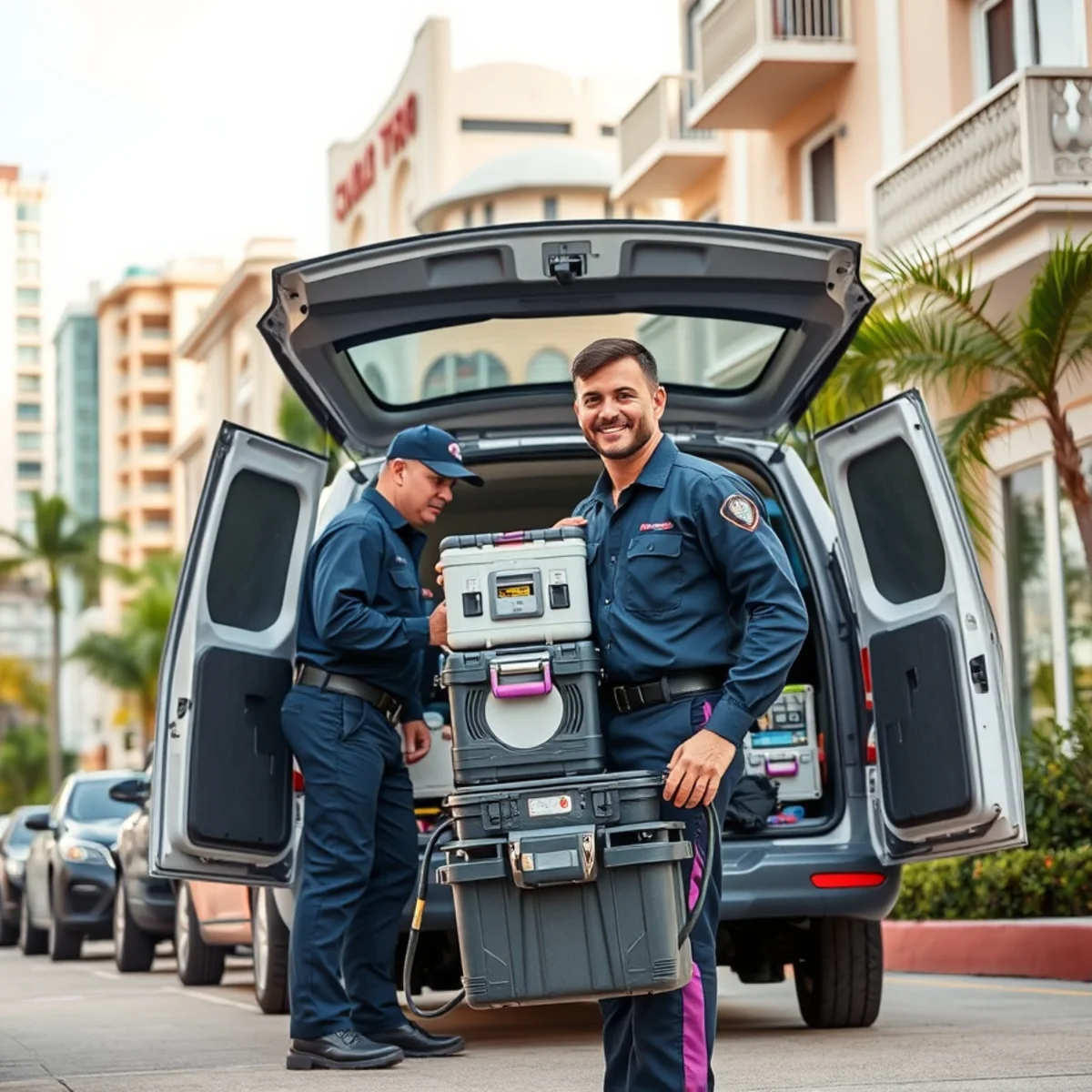
Miami Beach reviews are most persuasive when they show clean work and disciplined condo coordination. That local fit matters because a fixture repair inside one unit, a shared condo stack, and a sewer lateral beneath a yard create very different access, approval, and restoration needs.
Housing and buildings
historic hotels, Art Deco apartments, mid-century buildings, luxury towers, and waterfront homes.
Likely plumbing context
salt air, cast-iron stacks, vertical leak migration, tight chases, scale, and building-wide drain problems are common planning factors.
Access and approvals
association approval, service elevators, riser shutdowns, parking, and municipal permits should be confirmed before disruptive work.
Local reference points
South Beach, the Art Deco Historic District, Mid-Beach, North Beach, and Collins Avenue.
How we narrow a Miami Beach plumbing problem
We begin with the affected fixtures, timing, building type, and visible evidence. That first pass separates a local fixture or branch problem from a building drain, pressurized supply, shared riser, appliance, or municipal-side condition.
In a single-family home, meter movement, shutoff isolation, cleanout access, slab routing, mature landscaping, and pipe age can shape the diagnosis. In a condo, the same stain or backup may cross unit boundaries; management rules, riser shutdowns, and responsibility documents become part of the service plan. Commercial calls add operating hours, customer areas, grease or process use, documentation, and business-continuity requirements.
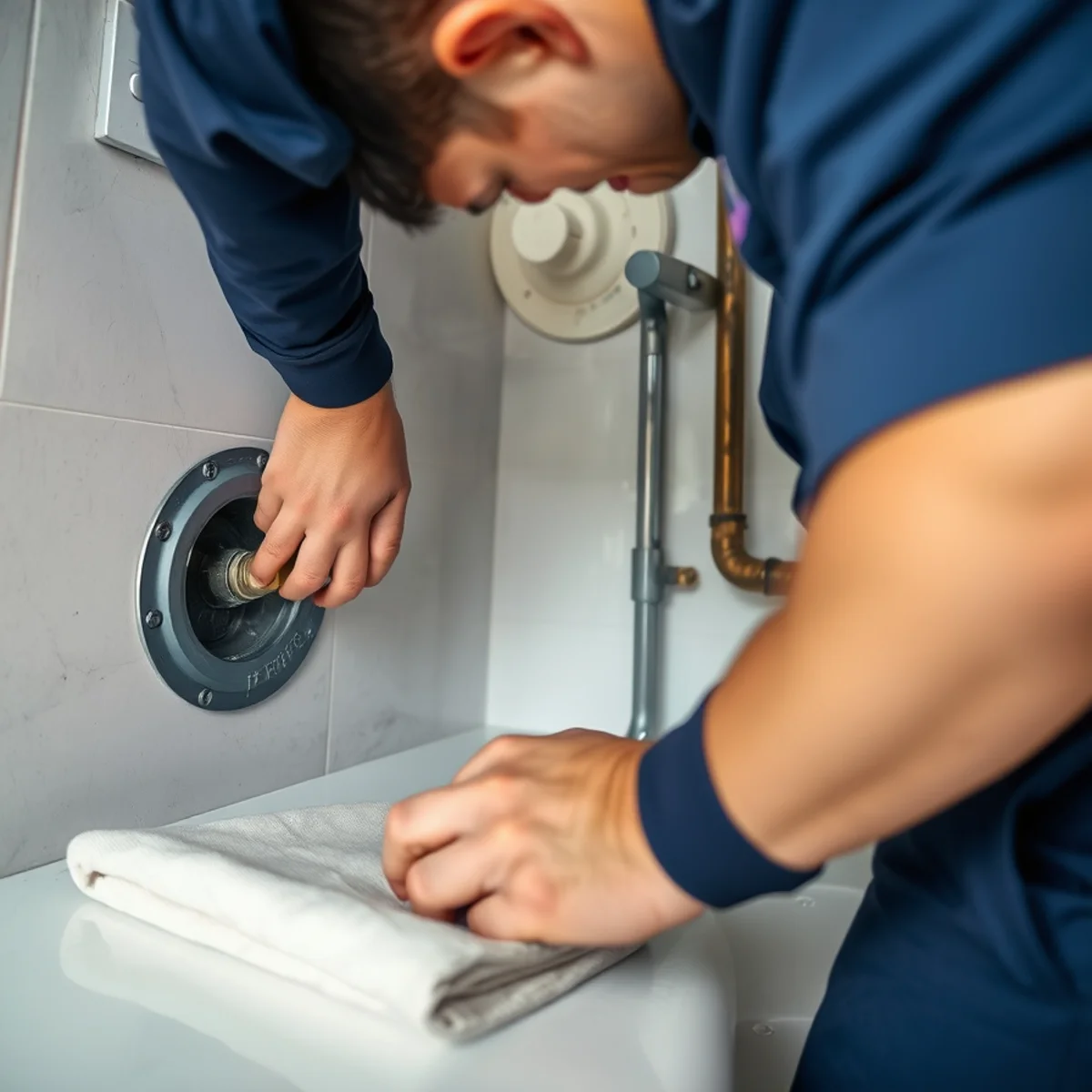
A licensed professional should connect the recommendation to evidence. For drains, that may mean the fixture pattern, cable resistance, recovered material, or camera footage. For a leak, it may mean meter isolation, pressure behavior, moisture mapping, or opening only after the likely route is narrowed. For equipment, it means testing the unit and checking the utilities around it.
South Florida conditions that affect the scope
Older cast iron, slab-on-grade construction, tropical roots, salt exposure, high groundwater, intense rain, and piecemeal renovations all appear across South Florida, but not every factor applies to every Miami Beach property.
That is why diagnosis should precede a large repair proposal. A recurring blockage can come from residue, root entry, severe internal scale, an offset, poor slope, or a failed section. Low pressure can be a clogged aerator, closed valve, regulator issue, hidden leak, scaled equipment, or supply condition. The same symptom name does not justify the same scope.
Which permit and utility systems serve a Miami Beach property?
Start with the exact address, folio and unit or parcel rather than the mailing city alone. The City of Miami Beach administers its building-permit and inspection process and operates local water distribution, wastewater collection and stormwater systems. Miami-Dade WASD supplies wholesale water and treatment services, but that regional role does not make private building plumbing a County asset.
Confirm the property record, owner or authorized agent, unit or suite, current occupancy, proposed work and prior permit information before selecting an application or inspection path. Miami Beach Building Department guidance separates limited stoppage clearing or qualifying minor repairs from concealed-pipe replacement and other regulated work; the actual scope, approved documents and current building official control the permit decision. Separately map the utility boundary. Identify the City water main, meter or other documented transfer point, private service, building shutoff, distribution piping, pressure equipment, fixtures and hot-water system. For wastewater, distinguish the fixture branch, vertical stack, building drain, private lateral and City collection system. Stormwater is a different public system and must not receive sanitary discharge. City Public Works operates local distribution and collection while WASD provides wholesale water and regional treatment functions, so provider records and the affected asset—not the wholesale relationship—determine the correct contact. A prior permit, utility bill or nearby public project can document context, but none proves the present route, ownership, material or condition of a concealed private pipe.
How do South Beach, Mid-Beach, and North Beach buildings change plumbing diagnosis?
Miami Beach diagnosis should follow the building’s actual layout, not a neighborhood stereotype. An Art Deco apartment or historic hotel in South Beach, a mid-century property, a Mid-Beach or North Beach condo, a luxury tower, and a waterfront home can differ in vertical piping, pressure zones, hot-water equipment, access and occupancy without proving any material or failure.
Begin with the symptom pattern. One fixture can point toward a trap, local branch, stop, connector or fixture component; several fixtures in one unit can widen the review to a unit branch; similar symptoms above or below can justify checking a shared riser or stack. For supply complaints, record hot-versus-cold behavior, static and flowing pressure where appropriate, unit and riser isolation, booster or pressure-zone information, and whether a shared hot-water plant or recirculation loop serves the space. For drainage, map the branch, stack, building drain, cleanout and private lateral before selecting cleaning, camera or repair access. A wet ceiling may result from supply piping, drainage, a fixture seal, equipment discharge, another unit, rain entry or air-conditioning drainage; vertical moisture migration does not by itself identify the source. Salt aerosol and humidity can inform inspection of exposed metals and equipment, while heavy rain, high groundwater, high tides or flooding can affect access and timing. None proves corrosion, a broken sanitary pipe or a public-system failure. In occupied hotels, restaurants, shops or mixed-use properties along Collins Avenue, diagnosis also needs room or tenant access, sanitation protection, fixture availability and continuity planning. Property age, height and coastal setting guide questions; observations, tests, records and safe openings support the conclusion.
Who authorizes work on a Miami Beach condo unit, riser, stack, or common system?
Authorization depends on the component’s serving pattern, the condominium declaration and maintenance chart, current association rules and the proposed access—not simply where water becomes visible. Determine whether the work touches a unit branch, limited common element, shared riser, stack, central equipment or another unit, then obtain the owner, association, manager and neighboring access approvals that the scope requires.
Document every affected unit or area, fixture elevation, valve, branch connection, riser, stack, pressure zone, water-heating component and access point before assigning responsibility. Florida condominium law treats some utility installations serving more than one unit as common elements and generally assigns common-element maintenance to the association, subject to the declaration’s treatment of limited common elements. That framework does not allow a plumber to issue a legal coverage or payment ruling from the leak location. The governing documents, actual serving pattern, current law and authorized parties must be reviewed. When a repair crosses unit or common-area boundaries, identify who can approve openings, shared shutdowns, adjacent-unit entry, equipment isolation and restoration. Plan occupant notices, service-elevator and loading access, parking, approved work hours, protection of common finishes, and a controlled shutdown and restart. A hotel or other occupied hospitality property may add guest-room access, sanitation, relocation and business-continuity decisions; a condo may add board or management vendor procedures. If work opens a rated wall, floor or shaft, the scope should identify the approved listed firestop system, inspection timing and documentation before concealment. Do not impair fire-protection equipment or treat a plumbing shutdown as authority to alter another life-safety system.
What should a Miami Beach plumbing scope include before work begins?
A useful scope identifies the diagnosed system and limits, ownership and authorization, access, City permit and inspection path, association requirements, protection, testing, restoration and exclusions. Pricing should separate plumbing from shared shutdowns, neighboring access, elevators or loading, rated-assembly restoration, drying and finishes so the estimate follows verified conditions instead of a generic Miami Beach amount.
Record the complaint, affected fixtures or units, hot-versus-cold behavior, pressure or meter observations when authorized, cleanout and camera findings, equipment data, weather timing, neighboring reports, utility notices, prior work and the alternate sources excluded. State whether the evidence supports a fixture or unit branch, shared supply riser, pressure zone, hot-water or recirculation equipment, drain branch, vertical stack, building drain, private lateral or reported public condition. Then define the owner, tenant, association, manager, neighboring occupant, City department or utility whose asset or approval is involved. Confirm permit documents, inspections before concealment, association alteration or vendor requirements, work hours, service elevator or loading reservation, parking, protection, shutdown notices, restart sequence and occupied-business sanitation controls. Supply, DWV, water heater, pump, backflow device, gas piping and fixture work require system-specific tests rather than one generic check. An opening through a rated assembly needs compatible listed firestop restoration and any required inspection; wall, tile, cabinetry, paint, waterproofing, drying and contamination work should have assigned limits. Closeout should identify installed materials and repair limits, photographs before concealment, test and inspection results, restored service, remaining conditions and restoration responsibility. Price can then reflect diagnosis, access, length, material, equipment, permits, coordination, tests and finishes without inventing a schedule, availability, warranty or promised result.
Clear estimates and project boundaries
A responsible estimate explains the affected system, proposed work, access assumptions, material, testing, exclusions, permit responsibility, and restoration. It should not hide those variables behind one price that cannot apply to every property.
For Miami Beach, association approval, service elevators, riser shutdowns, parking, and municipal permits should be confirmed before disruptive work. Before work, confirm who supplies building documents, who schedules shutdowns, whether a city or County permit applies, and who restores tile, drywall, cabinets, concrete, paving, or landscaping. Those details protect both the owner and the plumber from scope surprises.
Top plumbing services in Miami Beach
Drain cleaning, leak detection, sewer cameras, water-heater work, fixture repair, and pipe evaluation are common starting points. The correct service depends on whether the symptom affects one fixture, several fixtures, the whole property, or a shared building system.