What this service covers
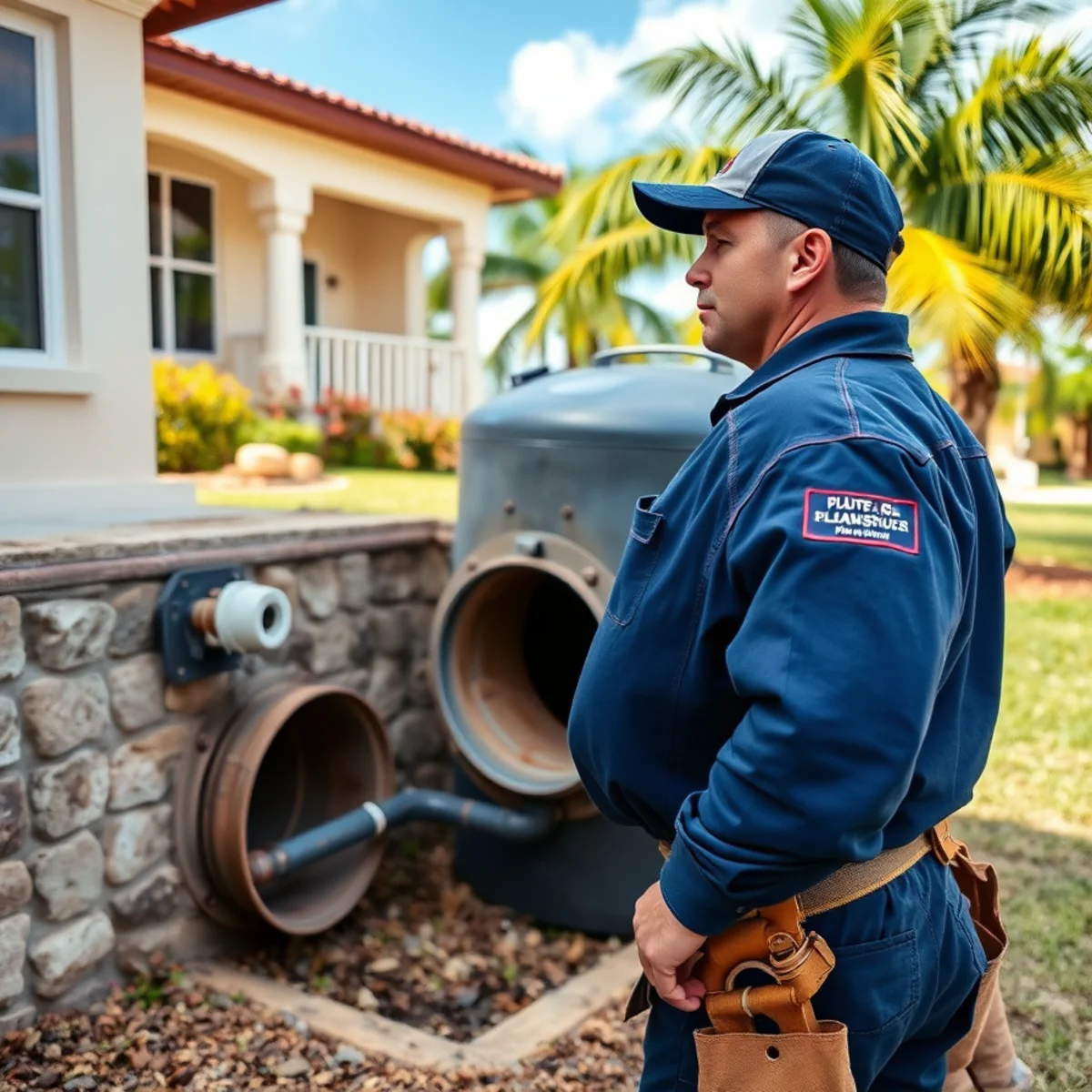
Identify whether the problem is plumbing, tank, drainfield, pump, or sewer transition.
Parts of South Dade, Redland, Pinecrest, Davie, and the Keys have current or former onsite systems. High groundwater, flood exposure, long laterals, roots, and sewer-conversion projects make it especially important to distinguish the building plumbing from the regulated septic system.
Signs it is time to request septic systems
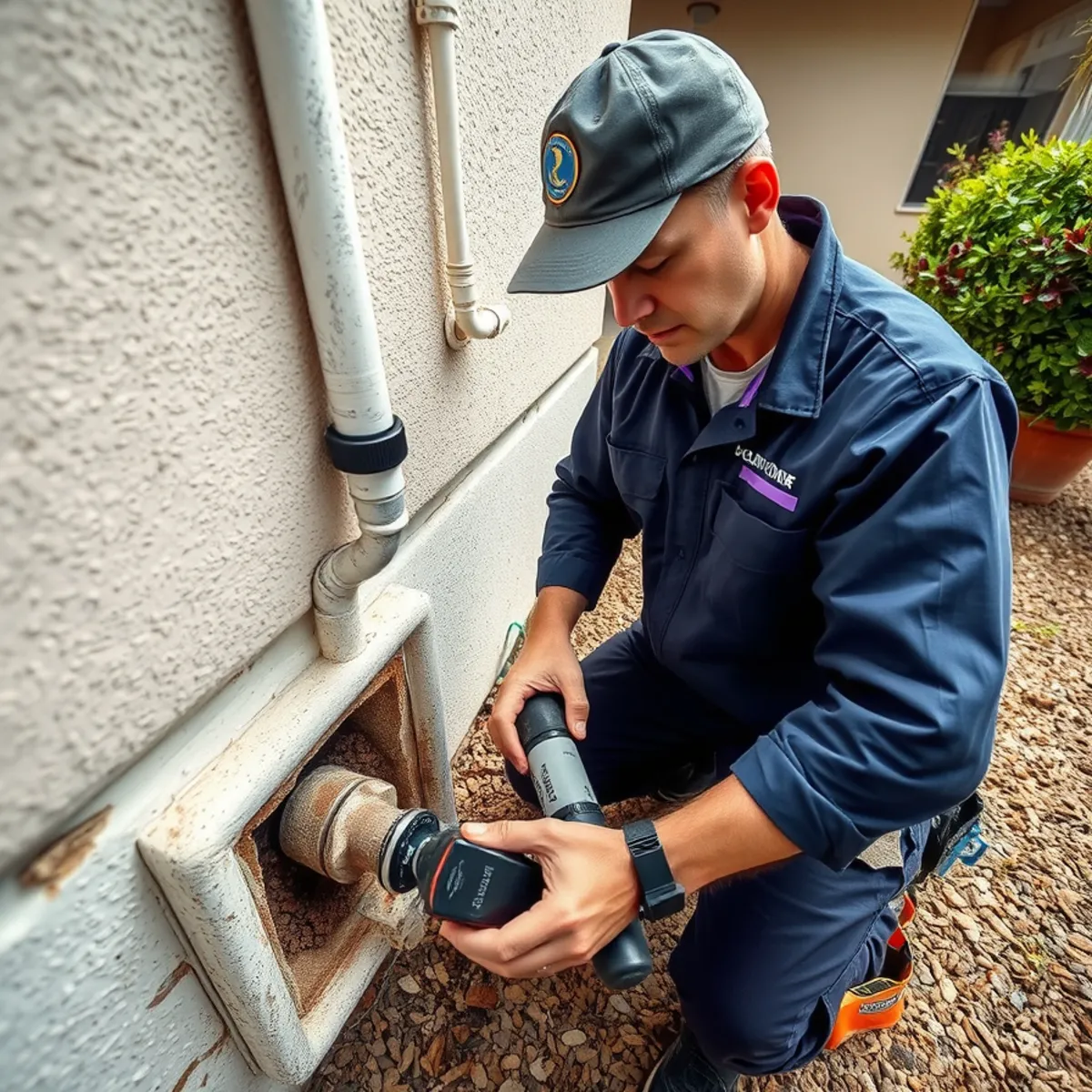
The pattern, timing, and number of affected fixtures often tell more than the loudest symptom. These signs are reasons to schedule diagnosis, not proof that the most expensive repair is necessary.
- Several drains slow or back up on a septic property
- The building sewer is clear but flow fails beyond it
- Odors or wet ground appear near the treatment area
- A pump alarm sounds
- A property is converting from septic to municipal sewer
How BH Plumbing & Drain Service approaches the work
Each appointment moves from protection and diagnosis to an approved scope, completed work, and verification. The exact equipment and tests change with the system, but the decision path remains clear.
Listen and protect the work area
We start with the symptoms you have noticed, protect nearby floors and finishes, and identify any immediate shutoff or containment step.
Confirm the wastewater system, plumbing boundary, and required qualifications
The technician checks the accessible system, tests the likely causes, and explains what the evidence shows before recommending work.
Clear or repair qualifying plumbing, or coordinate the appropriate septic scope
After you approve the written scope, the repair or installation is completed with attention to clean connections, safe operation, and the surrounding property.
Verify and explain
We operate the system, check for leaks or restored flow, clean the work area, and explain practical steps that may help prevent a repeat problem.
How do I know whether a backup is plumbing or septic?
A blockage inside the building drain or lateral can mimic a full tank or failed drainfield. Fixture patterns, cleanout levels, tank condition, pumping history, alarms, and controlled inspection help identify where flow stops.
Opening a septic tank is hazardous and should be done only by qualified professionals. Never enter or lean into a tank.
Does a septic tank need regular pumping?
Pumping frequency depends on tank size, occupancy, solids accumulation, garbage-disposal use, and system condition. A qualified provider should inspect sludge and scum rather than promise one interval for every property.
Pumping removes accumulated solids but does not repair a damaged baffle, clogged effluent filter, failed pump, saturated drainfield, or broken building sewer.
Who can install or repair a septic system?
Onsite sewage work is regulated and may require a properly qualified septic contractor, environmental health approval, design, permits, and inspections. The required credential depends on the exact scope and jurisdiction.
BH Plumbing & Drain Service confirms its role before scheduling and does not claim unverified septic licensing.
Is the property on public sewer or an onsite septic system, and where does each component begin?
Verify the wastewater system by address and folio, serving utility or municipality, public-sewer availability and connection records, onsite-system permits, prior site plans, pump-out or inspection records, and the actual pipe route. Do not assume a property uses septic from a yard cover or uses sewer from a nearby main. The fixture branches and building drain are distinct from the tank, pump chamber, and drainfield.
Start with the owner’s records, utility bill, Miami-Dade or municipal service information, active Letter or Notice of Sewer Availability, onsite sewage permit history and any completed connection or abandonment documents. A GIS or availability result can show that a main may serve the area, but it does not prove that this building is connected, that a lateral exists, or that an old tank was legally abandoned. Conversely, an old permit does not prove the onsite system remains in service or matches the current field layout. Confirm the cleanout and route from fixtures through the building drain and building sewer before locating regulated treatment components. Interior fixture branches, stacks and the building drain collect wastewater; the building sewer or lateral continues toward the public connection or tank inlet. On an onsite system, the inlet baffle or tee directs flow into the tank, solids settle, and liquid leaves through an outlet baffle and possibly an effluent filter. Gravity systems may continue through a distribution box to the drainfield; pumped systems add a pump chamber, floats, controls, high-level alarm, check or isolation components and a pressure-distribution network. Prior additions, multiple tanks, abandoned lines, shared systems or an undocumented sewer conversion can make the route different from the drawing. Use records, accessible cleanouts, qualified tank locating, non-destructive route evidence and controlled field confirmation before excavation. Keep the tank, drainfield and replacement area clear of vehicle loads, deep-rooted landscaping and unapproved drainage changes while ownership and system status are confirmed.
How should backups, odors, wet ground, and septic alarms be triaged safely?
Reduce water use immediately when multiple fixtures back up, sewage surfaces, a tank or pump alarm activates, or wet ground appears near the system. Keep people and pets away from wastewater and wet electrical equipment. Do not remove or lean over an unsafe lid, enter a tank, reset submerged controls, or work in the tank atmosphere. The symptom pattern, cleanout, records, alarms, weather, and qualified inspection identify the failure zone.
One slow sink or toilet can be a fixture or branch restriction, while several low fixtures backing up can indicate a building drain, building sewer, tank inlet, filter, pump, force line or downstream limitation. Observe which fixtures are affected, whether use elsewhere triggers the problem, the nearest accessible cleanout condition, recent pumping or repair records, alarm state, rainfall and changes in occupancy. A plumber can inspect qualifying building drainage and use a camera where the pipe is open and navigable, but camera footage cannot see through standing sewage, inspect tank structure, measure sludge and scum, test soil absorption or prove drainfield capacity. Qualified septic personnel may evaluate liquid levels, inlet/outlet condition, baffles, effluent filter, pump chamber and field evidence under the applicable scope. High liquid at the inlet can reflect a full or hydraulically loaded tank, restricted filter, pump/control failure, blocked pressure line, saturated field, high groundwater or excessive household flow; an empty or unusually low tank after normal use can point elsewhere. Odor alone does not locate the defect and can also arise from a dry trap, vent issue, broken building pipe or disturbed access seal. Septic tanks can contain toxic, flammable and oxygen-deficient gases and are confined spaces; nobody should enter one for diagnosis. Sewage-contact cleanup, electrical isolation, excavated access and unstable or waterlogged soil require their own controls. If sewage is entering occupied space, stop fixture use, avoid contact and electrical hazards, protect unaffected areas when safe, and coordinate the appropriate plumbing, septic, cleanup and public-authority response.
Which work is plumbing, septic pumping, inspection, repair, replacement, abandonment, or sewer connection?
Plumbing work can include fixtures, branches, the building drain, accessible cleanouts, qualifying building-sewer clearing, camera inspection, and pipe repair within the authorized boundary. Pumping, septage transport, tank or baffle work, effluent-filter service, pump-system work, drainfield evaluation, regulated repair or replacement, abandonment, and public-sewer conversion have different permits, service authorizations, qualifications, utility approvals, and inspection records.
Define the work from evidence rather than one label. Mechanical clearing or camera inspection may restore and document a blockage in an accessible building drain or sewer, but it does not certify the tank, pump or drainfield. A pump-out removes accumulated liquid and solids through safe access using permitted equipment and lawful septage disposal; it is not the same as a structural tank inspection or a repair. Tank evaluation can require pumping, lid and access assessment, capacity and condition records, inlet and outlet baffles or tees, filter, leakage indicators and an authority-specific form. Pumped systems add floats, alarm, controls, electrical supply, pump, valves and pressure piping, so wet-environment electrical and septic qualifications must be assigned correctly. Drainfield evaluation considers design records, loading, distribution, soil/site conditions, setbacks, surface evidence, high groundwater and available replacement area. Jetting or additives should not be marketed as proof that absorption has recovered. Repair, modification or replacement can require an approved application, site plan, specialist or engineer input, existing-system evaluation, pumping, inspection before cover and final approval. If public sewer is available or a notice applies, the scope can shift to utility application and fees, building-sewer routing, public connection, permits, tank pump-out and lawful abandonment, inspections and record closure. Florida scope rules distinguish registered septic contractors, state plumbing authority, septic pumping and septage-disposal service permits, business authorizations, engineers, electricians, utilities and permitting agencies. Verify the assigned individual, business, qualifier, current registration or license, local service permit and exact authorized activity independently. This page does not state that the provider holds a septic installer, pumper, septage-disposal or drainfield credential that is not present in site configuration.
What belongs in access, permit, maintenance, pricing, and septic-service closeout?
A useful scope identifies the address and system, records reviewed, provider responsibilities, tank and field access, utility and private-line locating, permits and inspections, pump-out and septage records, equipment tests, excavation and restoration, owner maintenance, and exclusions. Pumping frequency follows system type, occupancy, water and solids use, tank size, measured accumulation, prior records, authority requirements, and inspection—not one interval for every property.
Before dispatching heavy equipment, locate records and likely tank, lids, pump chamber, distribution components, utility lines, private water or irrigation lines, wells, trees, hardscape, fences, gates, easements and the drainfield or replacement area. Confirm vacuum-truck access, safe hose route, surface load limits, excavation depth, lid condition, protected openings, weather and high-groundwater constraints. Do not drive across an unverified tank or field. Rainfall and seasonal groundwater can affect observation and excavation, so record conditions instead of predicting the diagnosis or completion time from a phone description. The written estimate should separate plumbing diagnosis or clearing, camera work, septic locating and access, pumping and disposal, tank/filter/baffle evaluation, pump and controls, drainfield/site or engineering work, permits and inspections, utility connection, abandonment, excavation, dewatering, landscaping/hardscape restoration and cleanup. Price depends on the actual system, volume, access, records, provider qualifications, permit path, parts, disposal, soil and groundwater conditions; it cannot be established from a generic package. Maintenance follows the permit, system type and service history. Track occupancy, water use, garbage-disposal contribution, solids and scum observations, filter and pump service, alarm tests and advanced-system operating requirements. Spread high water use where practical, repair plumbing leaks, keep roof and site drainage away from the field, protect access and field from structures or vehicle loads, and flush only appropriate waste. Additives do not replace inspection, pumping or repair and should not carry a drainfield-recovery claim. Closeout should identify the work actually performed; document pump-out volume and lawful destination where applicable, tank/access/filter observations, camera limits, pump/float/alarm response, permit and inspection result, photos or measurements, restored access, unresolved defects and referrals. Leave the owner a dated record, next decision based on measured conditions, system-use guidance and emergency contacts without asserting that one service establishes environmental compliance or future drainfield performance.
What affects the estimate?
A responsible estimate reflects the condition, access, materials, equipment, permit path, and restoration—not just the service name. BH Plumbing & Drain Service does not publish a fake range that could exclude the work needed at your property.
- Building-drain issue versus tank, pump, or drainfield issue
- Access to cleanouts, lids, and private-system records
- Pumping, inspection, repair, or abandonment requirements
- Environmental health permits and licensed specialty work
- High groundwater, landscaping, excavation, and sewer-conversion scope
Miami-specific planning for septic systems
Parts of South Dade, Redland, Pinecrest, Davie, and the Keys have current or former onsite systems. High groundwater, flood exposure, long laterals, roots, and sewer-conversion projects make it especially important to distinguish the building plumbing from the regulated septic system.
Properties inside Miami-Dade’s 34 municipalities may use a city building department, while unincorporated parcels generally use County permitting. Condos can add management approval, service-elevator rules, vendor documents, unit protection, and shared water or drain shutdowns. Those conditions belong in the scope before work starts.
Technical entities you may hear during diagnosis
These terms describe parts, tools, or conditions relevant to this service. The technician should translate them into visible evidence and a practical decision rather than use jargon as a substitute for explanation.
- septic tank
- inlet baffle
- outlet baffle
- effluent filter
- drainfield
- distribution box
- lift pump
- building sewer
- cleanout
- abandonment