What this service covers
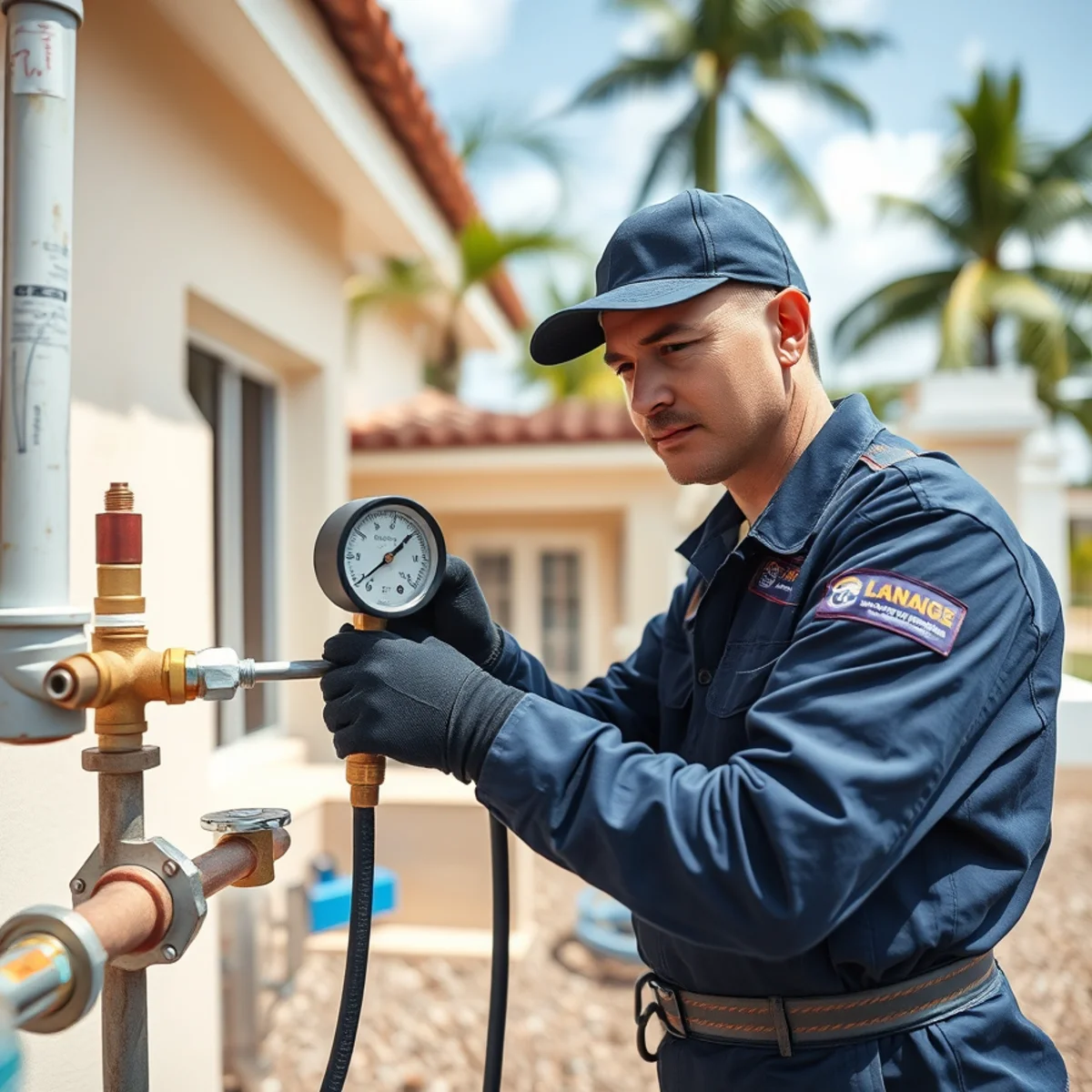
Gas work begins with safety, sizing, testing, and permits.
Miami-Dade and its municipalities regulate gas work and appliance replacement. A safe scope may involve the utility, a licensed plumbing or gas contractor, electrical or mechanical trades, and municipal inspection. BH Plumbing & Drain Service will not publish an unverified license number; qualification for a specific gas project is confirmed before scheduling.
Signs it is time to request gas line services
The pattern, timing, and number of affected fixtures often tell more than the loudest symptom. These signs are reasons to schedule diagnosis, not proof that the most expensive repair is necessary.
- A utility or inspector requires a pressure test
- An appliance location needs a correctly sized branch
- Corroded or damaged accessible gas pipe is found
- A renovation changes connected gas demand
- A shutoff, regulator, or appliance connection needs evaluation
How BH Plumbing & Drain Service approaches the work
Each appointment moves from protection and diagnosis to an approved scope, completed work, and verification. The exact equipment and tests change with the system, but the decision path remains clear.
Listen and protect the work area
We start with the symptoms you have noticed, protect nearby floors and finishes, and identify any immediate shutoff or containment step.
Confirm licensing scope, demand, routing, and permit requirements
The technician checks the accessible system, tests the likely causes, and explains what the evidence shows before recommending work.
Complete approved piping work and required testing
After you approve the written scope, the repair or installation is completed with attention to clean connections, safe operation, and the surrounding property.
Verify and explain
We operate the system, check for leaks or restored flow, clean the work area, and explain practical steps that may help prevent a repeat problem.
Who should repair a gas line?
A properly licensed and qualified contractor should perform gas piping work under the permits and inspections required for that property. The gas utility or emergency services should respond first to an active odor or suspected immediate hazard.
Credentials should be verified for the exact trade and jurisdiction. The written scope should identify testing, permit responsibility, and appliance commissioning.
Why does gas-pipe sizing matter?
Each appliance needs adequate gas volume at the required pressure. Pipe diameter, length, fittings, regulator, meter capacity, and simultaneous demand determine whether a branch can support a new tankless heater, range, dryer, or generator.
An appliance may ignite yet still operate poorly or unsafely if the supply is undersized. Sizing must be calculated rather than guessed from the visible connection.
Does gas-line work require a permit in Miami?
Many gas installations, alterations, tests, and water-heater projects require permits and inspections. Requirements vary by municipality, property, and exact scope, so the correct building department must be confirmed before work.
Do not assume a small-looking appliance change is exempt. Venting, combustion air, electrical, and manufacturer requirements may also apply.
Is a suspected gas leak a plumbing appointment or an emergency?
A suspected active gas release is an emergency-response issue before it is a contractor appointment. If you smell sulfur or rotten eggs, hear hissing or roaring, see blowing soil, bubbling water, dead vegetation, or an unexplained vapor cloud, leave the area immediately and contact the serving gas utility or 911 from a safe location.
Do not use a phone, switch, doorbell, garage-door opener, vehicle, flame, or anything else that could create a spark in or beside the affected area. Do not search for the source, operate the meter, try to tighten a fitting, or go back for belongings. Leave on foot, warn others without using electrical devices, move away from the building or outdoor release, and do not re-enter until the utility or emergency professional says it is safe. These steps apply even if the odor seems faint or the property does not knowingly use gas, because released gas can migrate through soil and openings. A scheduled contractor can evaluate customer-owned piping only after the immediate hazard is controlled and the required utility, permit, or inspection path is clear. Carbon monoxide is a separate combustion hazard: it has no odor, color, or taste, so a lack of gas smell does not prove a fuel-burning appliance is venting safely. Follow the appliance and alarm manufacturers’ instructions for properly located, tested carbon-monoxide alarms and leave for fresh air and emergency help if an alarm sounds or occupants develop possible exposure symptoms.
What must be calculated before adding or moving a gas appliance?
A gas branch is sized from the actual fuel, delivery pressure, appliance input ratings, simultaneous connected load, allowable pressure loss, pipe material, diameter, fittings, and developed route—not from the connector size at the appliance. The meter, service, regulator, and every upstream segment must be checked before adding a tankless heater, range, dryer, pool heater, generator, or outdoor kitchen.
The planning record should identify natural gas or LP, the nameplate input for each connected appliance, which appliances can operate together, the point of delivery, regulator arrangement, available pressure, longest or developed length, tees and fittings, existing pipe materials and sizes, and the manufacturer’s inlet-pressure requirements. A new high-input appliance can expose an undersized branch even when the old appliance operated normally. The responsible options may be a larger segment, a dedicated route, a revised pressure system with listed regulation, a different appliance selection, or utility review of service and meter capacity; none should be promised until the serving utility and qualified designer or contractor confirm their respective scope. Florida City Gas states that it maintains service to the meter while the customer or property owner maintains piping from the meter to equipment, including buried customer piping. That boundary should be confirmed for the actual provider and property rather than assuming a contractor can move a utility meter or regulator. Outdoor and underground routes also require utility locating before excavation, permitted depth and separation, approved underground material and transitions, tracer or locating provisions, corrosion protection, sleeve or conduit details where required, protection from physical damage, and a route that remains serviceable after landscaping, paving, or hurricane-related work.
What makes a gas appliance connection more than a flexible-hose hookup?
A safe appliance connection coordinates the listed appliance, correct fuel and conversion parts, accessible shutoff, approved connector or rigid connection, regulator, sediment trap where required, electrical supply, combustion air, venting, condensate, clearances, anchorage, and manufacturer instructions. Replacing or moving the appliance can change several of those conditions even when the existing outlet looks usable.
The branch and shutoff must first be identified, accessible, protected from damage, and sized for the appliance. A listed connector must match the fuel, appliance, movement, length, and installation location; it is not general-purpose gas piping and should not be concealed, passed through building surfaces, sharply bent, extended by joining connectors, or reused merely because it appears clean. CPSC warns against moving an appliance to inspect an older connector and recommends professional connector replacement when the appliance is replaced or moved. The appliance itself must be listed for the supplied fuel, and any natural-gas/LP conversion must use the manufacturer-approved kit and setup rather than an improvised orifice change. Where the code and appliance require it, the connection scope also includes a downstream sediment trap, correctly oriented regulator vent, union or approved disconnection method, bonding by the responsible trade, combustion-air openings, an intact flue or listed direct-vent system, condensate routing, and required clearances from ignition sources or property features. A gas range, dryer, fireplace, pool heater, generator, boiler, storage heater, and tankless heater do not share one universal hookup. The proposal should state which piping, connector, vent, electrical, mechanical, startup, permit, and finish work is included and who is responsible for each inspection.
How is gas piping tested, inspected, and returned to service?
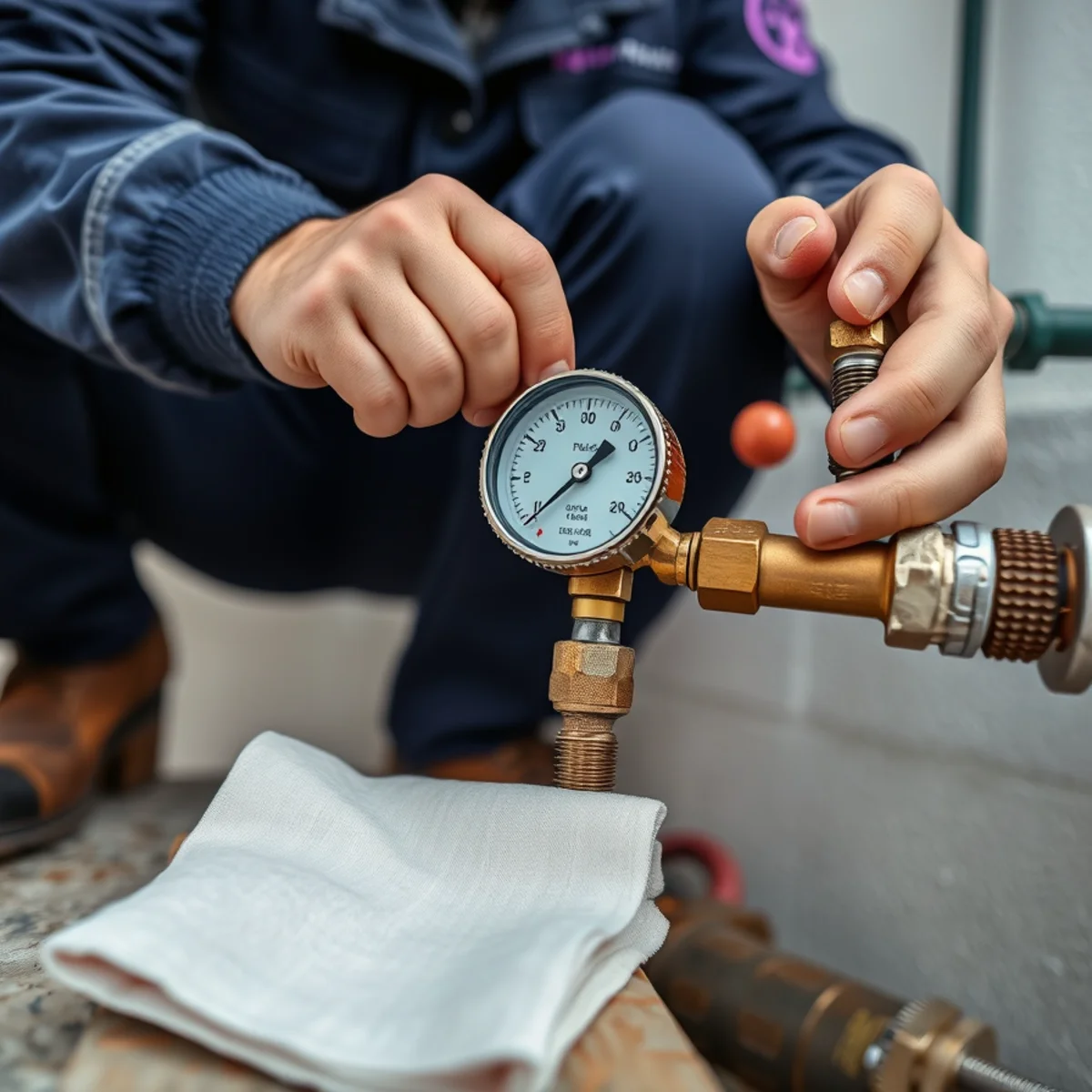
A permit-ready gas test follows the approved scope and authority having jurisdiction: affected equipment is protected or isolated, outlets are capped, the correct test medium, pressure, gauge range, and duration are used, and the system holds for the required inspection. Test pressure is not sent through appliance controls or regulators unless they are specifically rated for it.
There is no responsible one-number test instruction for every Miami project. Residential and commercial work, natural gas and LP, new piping, repairs, utility tags, and different municipalities can use different permit records and inspection conditions. Before testing, the qualified contractor maps the test boundary, confirms that live fuel is safely isolated, disconnects or protects components that could be damaged, caps every open outlet, uses approved test equipment, and checks the permit and approved plan. A pressure loss must be investigated and corrected rather than hidden by adding more test medium. The Miami-Dade checklist also reviews sizing and connected load, approved materials, accessible shutoffs, sleeves, burial and corrosion protection, bonding, combustion air, venting, regulator details, and final installation—not only the gauge reading. After the required inspection, restoration of utility service follows the serving utility’s lock, tag, meter, and activation rules; customers and contractors should never remove a utility lock or bypass a shutoff. Once fuel is lawfully restored, closeout includes operating-pressure leak checks at affected joints, inlet-pressure or combustion checks required by the appliance instructions, ignition and burner operation, flame and safety controls, vent or direct-vent performance, condensate where applicable, and a documented appliance startup. The owner should receive the approved scope, test or inspection record available for the job, utility and permit status, appliance instructions, and any remaining work assigned to another licensed trade.
What affects the estimate?
A responsible estimate reflects the condition, access, materials, equipment, permit path, and restoration—not just the service name. BH Plumbing & Drain Service does not publish a fake range that could exclude the work needed at your property.
- Gas type, total connected demand, and pipe sizing
- Route length and access through finished areas
- Meter, regulator, venting, and appliance requirements
- Permit, plans, pressure test, and inspection
- Restoration and coordination with the serving utility
Miami-specific planning for gas line services
Miami-Dade and its municipalities regulate gas work and appliance replacement. A safe scope may involve the utility, a licensed plumbing or gas contractor, electrical or mechanical trades, and municipal inspection. BH Plumbing & Drain Service will not publish an unverified license number; qualification for a specific gas project is confirmed before scheduling.
Properties inside Miami-Dade’s 34 municipalities may use a city building department, while unincorporated parcels generally use County permitting. Condos can add management approval, service-elevator rules, vendor documents, unit protection, and shared water or drain shutdowns. Those conditions belong in the scope before work starts.
Technical entities you may hear during diagnosis
These terms describe parts, tools, or conditions relevant to this service. The technician should translate them into visible evidence and a practical decision rather than use jargon as a substitute for explanation.
- natural gas
- LP gas
- pressure test
- shutoff valve
- regulator
- pipe sizing
- appliance connector
- sediment trap
- permit
- inspection