What this service covers
Protect operations, occupants, and compliance.
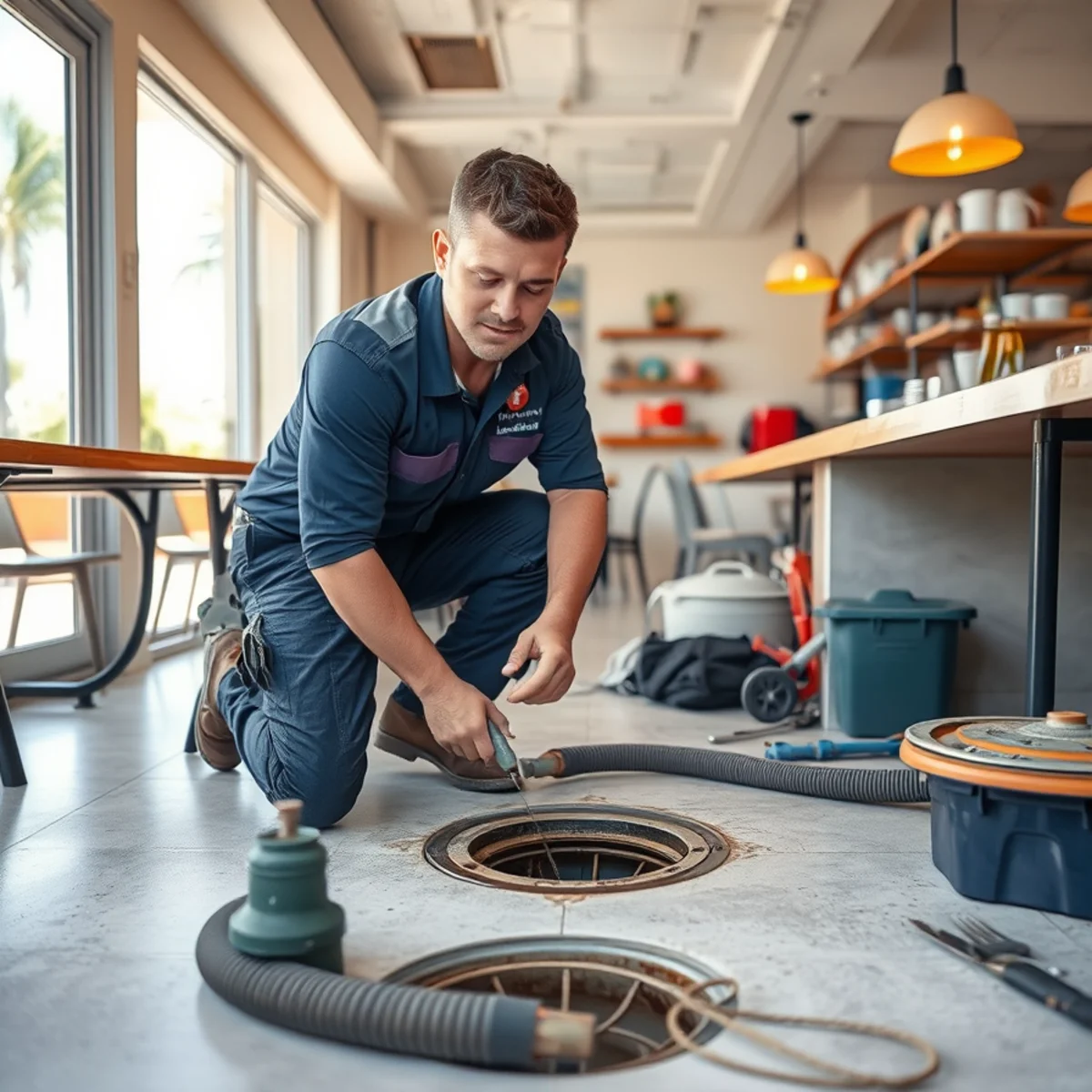
Miami commercial plumbing spans restaurants in Wynwood and Little Havana, hotels and towers in Brickell and Miami Beach, warehouses in Doral and Medley, and condo associations throughout the county. Each has different access, occupancy, grease, backflow, shutdown, and documentation needs.
Signs it is time to request commercial plumbing
The pattern, timing, and number of affected fixtures often tell more than the loudest symptom. These signs are reasons to schedule diagnosis, not proof that the most expensive repair is necessary.
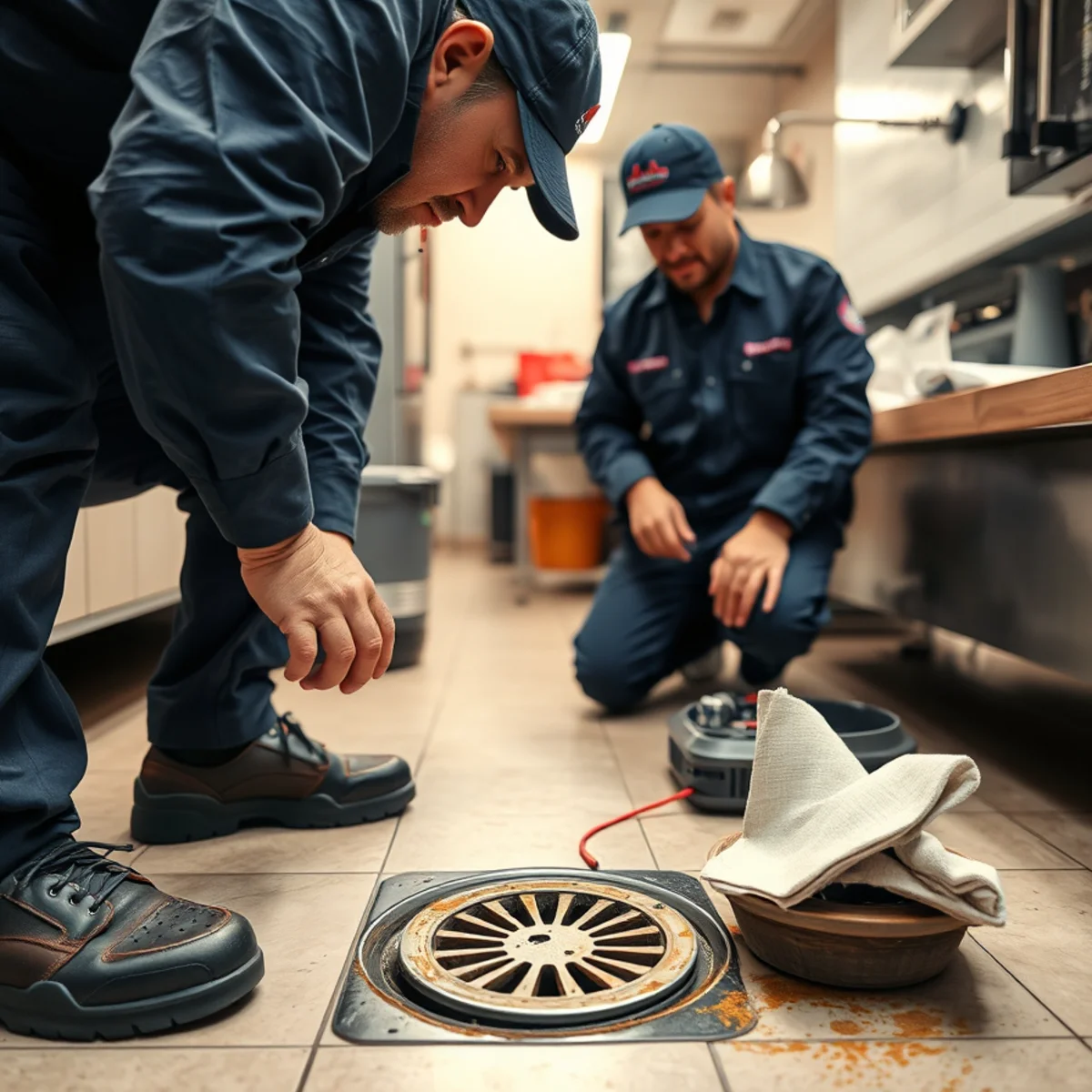
- Grease or floor drains back up during operations
- A flushometer, faucet, or toilet fails repeatedly
- Hidden water use affects a large meter
- A water heater cannot meet business demand
- Property management needs scheduled maintenance and documentation
How BH Plumbing & Drain Service approaches the work
Each appointment moves from protection and diagnosis to an approved scope, completed work, and verification. The exact equipment and tests change with the system, but the decision path remains clear.
Listen and protect the work area
We start with the symptoms you have noticed, protect nearby floors and finishes, and identify any immediate shutoff or containment step.
Define operational constraints, affected systems, and compliance needs
The technician checks the accessible system, tests the likely causes, and explains what the evidence shows before recommending work.
Complete phased work with testing and service documentation
After you approve the written scope, the repair or installation is completed with attention to clean connections, safe operation, and the surrounding property.
Verify and explain
We operate the system, check for leaks or restored flow, clean the work area, and explain practical steps that may help prevent a repeat problem.
What should a commercial plumbing maintenance plan include?
A useful plan identifies critical fixtures and drains, service intervals, shutoff locations, after-hours contacts, prior failures, grease or backflow obligations, and documentation. It focuses on business interruption risk rather than applying one interval to every property.
High-use restrooms, kitchens, floor drains, water heaters, pumps, and recurring problem lines should be logged. Camera or jetting records can show whether service intervals are working.
How do plumbers reduce disruption in an occupied building?
They confirm access, isolate the smallest practical zone, schedule shutdowns, protect public areas, coordinate with management, and test before reopening. Clear notices and contingency plans matter as much as the physical repair.
Condo risers, restaurant kitchens, hotels, and retail spaces often need different sequencing. The proposal should state who communicates with tenants and who restores finishes.
Are commercial plumbing codes different?
Commercial properties can have additional requirements involving accessibility, food service, grease, backflow, occupancy, fixture counts, and fire or health coordination. The applicable Florida Building Code and local authority govern the project.
A repair that looks residential may be part of a regulated commercial system. Permitting and inspection should be addressed before the work begins.
What information should a commercial plumbing service request define?
A useful request identifies the affected asset, symptom, business impact, ownership boundary, authorized contact, operating window, access rules, and expected deliverable. That intake lets the plumber separate an urgent containment need from a planned repair, maintenance visit, alteration, inspection response, or project that first requires drawings, permits, another trade, or management approval.
Start with the property address, suite or equipment location, business or occupancy type, affected fixtures, when the problem occurs, whether other tenants or floors are involved, and any immediate sanitation, slip, product, electrical, or shutdown concern. Note whether the line is believed to serve one tenant, a shared stack or riser, the association, the landlord, or a utility, but treat that as an ownership question to confirm rather than a diagnosis. The authorized representative should explain purchase-order or work-order requirements, estimate approval limits, vendor registration documents, security check-in, parking or loading access, keys, roof or mechanical-room access, elevator or lift rules, alarm contacts, noise restrictions, and who may isolate or reopen the system. Existing service logs, camera footage, fixture schedules, as-built drawings, prior repair invoices, water-use records, backflow reports, FOG permit records, and photos can shorten diagnosis when they are current and tied to the correct asset. The requested closeout should also be clear: an estimate, temporary make-safe action, repair, camera recording, pressure or flow result, parts record, permit inspection, or maintenance recommendation are different deliverables. The final scope should state affected equipment, access and shutdown assumptions, included testing, exclusions, restoration responsibility, and what newly discovered conditions would require authorization before work continues.
Where does restaurant drain service end and FOG compliance begin?
A plumber may diagnose or repair sinks, indirect waste, floor drains, grease lines, disposals, and related sanitary piping, but that work does not automatically satisfy a facility's FOG permit, interceptor pumping, waste-hauling, recordkeeping, or reporting duties. The device type, permitted maintenance frequency, responsible operator, and required hauler must be confirmed before plumbing work is represented as compliance service.
Restaurant symptoms should be mapped by fixture and operating condition. A slow three-compartment sink, prep sink, hand sink, dishwasher indirect waste connection, floor drain, commercial disposal, grease waste branch, interceptor inlet or outlet, building drain, and public sewer connection are not interchangeable. A camera or cleaning result can show grease accumulation, scale, a damaged pipe, poor drainage, a local obstruction, or a restriction beyond the accessible work, but it does not measure every interceptor's retained solids and grease or replace the property's required maintenance record. Miami-Dade's FOG program requires qualifying non-residential food facilities to hold the applicable operating permit and use an approved control device. The permit establishes the facility's maintenance requirements, and required interceptor evacuation uses a DERM-permitted hauler with records maintained by the facility. Hydro jetting a downstream grease line may restore pipe capacity when inspection supports that method; it is not a substitute for permitted interceptor pumping, does not transfer operator reporting duties to the plumber, and should not push interceptor contents into another part of the system. If an interceptor is damaged, undersized for a proposed use, inaccessible, overflowing, or tied to a renovation or food-service change, the next step may involve the property representative, environmental permit staff, a permitted hauler, plumbing plans, health or building review, and a separately approved repair or replacement scope.
Who handles backflow testing and accessible-restroom compliance?
Backflow installation, certified assembly testing, report submission, fixture repair, and accessible-restroom design are separate scopes. The water use, service type, hazard, jurisdiction, assembly, tester credential, alteration, and room layout determine who must perform or approve each task. A repaired valve, faucet, flushometer, or toilet should not be marketed as certification of the entire system or restroom.
A commercial property can have separate domestic, irrigation, fire, process, pool, or equipment water services with different cross-connection risks. Miami-Dade explains that the required backflow protection depends on the service and hazard, and that certain assemblies are tested at installation and annually by a Certified Backflow Prevention Assembly Tester. A licensed plumber or contractor may install an approved assembly within confirmed scope, but installation authority does not prove that the same person holds the tester credential or can file the required report. Before quoting, identify the serving utility, account or service, assembly type and serial data when available, prior test result, location, access, drainage, freeze or flood exposure, shutoff impact, fire-system coordination, permit status, and who receives the record. Accessible restroom work needs a similarly precise boundary. Federal and applicable local requirements can address toilet centerline, clear floor and turning space, approach, grab bars, lavatory knee and toe clearance, faucet controls, mirrors, accessories, and protection at exposed supply and drain piping. Replacing a leaking flushometer or faucet can restore that component without proving that clearances, reach ranges, the route to the room, or the complete facility comply. A planned alteration may require drawings, a design professional, building review, inspection, and coordination with walls, doors, counters, electrical work, or finishes beyond the plumbing connection.
How should an occupied commercial plumbing shutdown be planned and closed out?
An occupied-building shutdown should name the authorized isolation point, affected occupants and equipment, notification window, access and containment plan, test procedure, reopening authority, and contingency if the valve or repair does not behave as expected. The work is complete only after disturbed systems are verified, affected parties are told what is available, and remaining restrictions are documented.
Planning begins by tracing whether the work affects a fixture stop, tenant branch, domestic-water zone, hot-water recirculation loop, shared riser, sanitary stack, pump, heater, grease line, fire-related connection, or another controlled system. Management should confirm who may operate building valves, silence or test alarms, access secured rooms, stop process equipment, notify tenants, protect inventory, and authorize reopening. When servicing covered equipment could expose workers to hazardous energy, the outside contractor must coordinate with the host facility's applicable energy-control procedures, authorized personnel, affected-worker notices, stored-pressure controls, and verification; a routine water shutoff should not be casually labeled lockout/tagout when that rule does not apply. Before isolation, the team should consider valve failure, drain-down path, hot water, pressure, units above and below, sanitary use, food operations, pumps, alarms, temporary restroom or handwashing needs, leak containment, and an alternate response if the window expires. Closeout is system-specific: pressure or flow verification, dry-joint observation, repeated fixture operation, drain testing, camera confirmation, heater or recirculation checks, pump and alarm status, backflow or inspection records where required, and phased reopening can all matter. The service record should identify the asset, work performed, parts or materials, test results available for the scope, restrictions, follow-up recommendations, and who restores ceilings, walls, flooring, cabinetry, firestopping, paint, inventory, or water-damaged finishes.
What affects the estimate?
A responsible estimate reflects the condition, access, materials, equipment, permit path, and restoration—not just the service name. BH Plumbing & Drain Service does not publish a fake range that could exclude the work needed at your property.
- Property type, fixture count, and business hours
- After-hours access or planned shutdowns
- Grease, backflow, storm, or high-use equipment
- Permits, inspections, and documentation
- Containment, lifts, roof access, security, and tenant coordination
Miami-specific planning for commercial plumbing
Miami commercial plumbing spans restaurants in Wynwood and Little Havana, hotels and towers in Brickell and Miami Beach, warehouses in Doral and Medley, and condo associations throughout the county. Each has different access, occupancy, grease, backflow, shutdown, and documentation needs.
Properties inside Miami-Dade’s 34 municipalities may use a city building department, while unincorporated parcels generally use County permitting. Condos can add management approval, service-elevator rules, vendor documents, unit protection, and shared water or drain shutdowns. Those conditions belong in the scope before work starts.
Technical entities you may hear during diagnosis
These terms describe parts, tools, or conditions relevant to this service. The technician should translate them into visible evidence and a practical decision rather than use jargon as a substitute for explanation.
- grease interceptor
- FOG
- backflow assembly
- flushometer
- floor drain
- roof drain
- ADA fixture
- preventive maintenance
- tenant coordination
- service log