What this service covers
Repair the failed section with the least disruption the evidence allows.
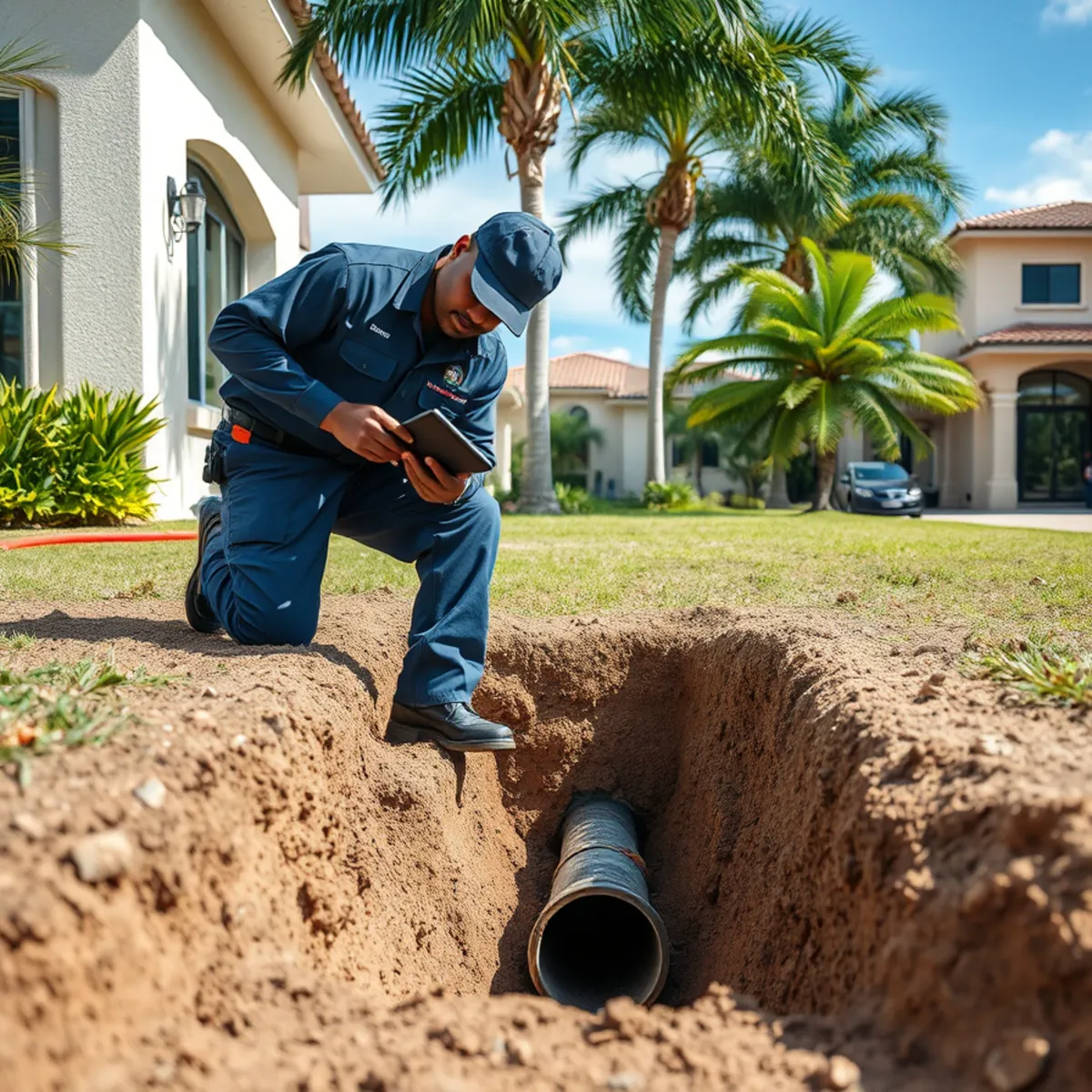
Miami sewer work is shaped by slab-on-grade construction, coral limestone, high groundwater, mature roots, older cast iron, and separate municipal permit offices. A good plan defines the plumbing repair and also makes clear who handles slab, finish, landscape, or association coordination.
Signs it is time to request sewer line repair
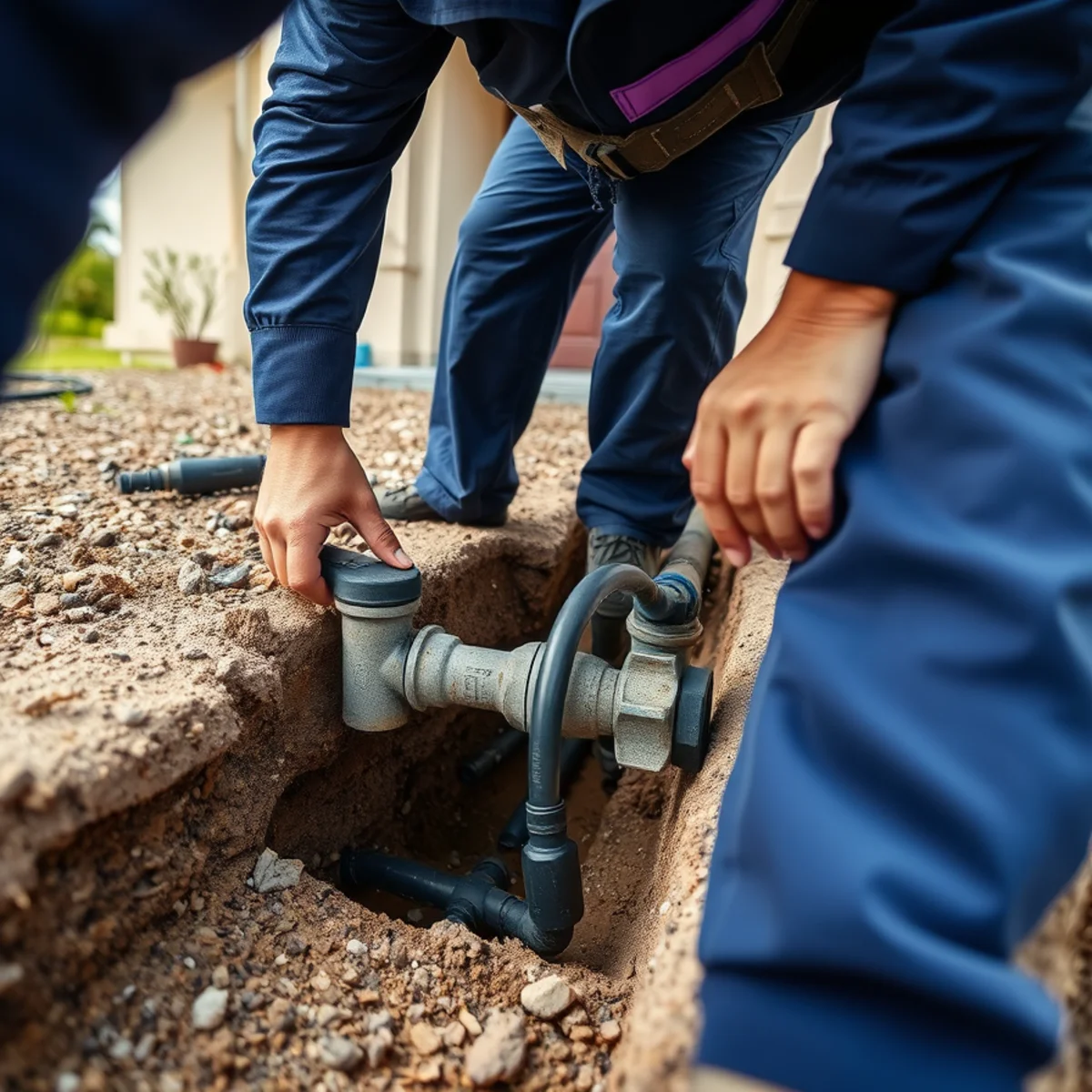
The pattern, timing, and number of affected fixtures often tell more than the loudest symptom. These signs are reasons to schedule diagnosis, not proof that the most expensive repair is necessary.
- Backups return after professional cleaning
- The camera shows a crack, offset, collapse, or belly
- Roots enter repeatedly at the same location
- Cast iron has lost significant wall thickness
- Wet soil or sewer odor appears along the lateral
How BH Plumbing & Drain Service approaches the work
Each appointment moves from protection and diagnosis to an approved scope, completed work, and verification. The exact equipment and tests change with the system, but the decision path remains clear.
Listen and protect the work area
We start with the symptoms you have noticed, protect nearby floors and finishes, and identify any immediate shutoff or containment step.
Confirm the defect, route, depth, and permit path
The technician checks the accessible system, tests the likely causes, and explains what the evidence shows before recommending work.
Complete the approved repair and restore tested flow
After you approve the written scope, the repair or installation is completed with attention to clean connections, safe operation, and the surrounding property.
Verify and explain
We operate the system, check for leaks or restored flow, clean the work area, and explain practical steps that may help prevent a repeat problem.
Can a Miami sewer line be repaired without digging?
Sometimes. Lining or pipe bursting may reduce excavation when the existing route, diameter, access, and structural condition are suitable. A collapsed line, severe belly, missing pipe, or problematic connection may still require excavation.
Trenchless is a method, not a universal answer. Camera footage, locating, cleanout access, downstream connection, and required permits determine whether it is responsible.
What is the difference between a spot repair and replacement?
A spot repair addresses one confirmed defect; replacement renews a longer section with widespread damage or repeated failure. The best scope balances present evidence, access cost, and the risk of leaving adjacent compromised pipe.
Older cast-iron systems can have both isolated breaks and broad internal channeling. The camera record should support where the proposed work starts and ends.
Will sewer repair require a Miami-Dade permit?
Many sanitary-line replacements and alterations require permits and inspections. The correct authority depends on whether the property is inside a municipality or unincorporated Miami-Dade, and the exact scope must be confirmed before work.
The written proposal should identify permit responsibility, required inspections, and any slab or backfill detail that affects restoration.
Which sewer repair method fits the confirmed defect?
The responsible method follows the defect, not the sales pitch. Cleaning addresses removable buildup; a spot excavation can replace one accessible failed section; conventional replacement renews a longer route; CIPP lining rehabilitates a suitable continuous host pipe; and pipe bursting replaces certain buried runs through planned launch and receiving access.
Camera evidence, line locating, material, diameter, slope, depth, bends, branch connections, downstream tie-in, surface conditions, and the remaining host-pipe structure all affect the choice. Lining cannot lift a belly, restore a missing section, reconnect a badly offset joint, or make an inaccessible branch disappear. Pipe bursting still requires access and may be limited by route, utilities, fittings, and connection details. Excavation may be the clearest option when a defect is isolated, grade must be corrected, or the failed connection needs direct reconstruction. Before recommending replacement, the scope should also separate removable roots or scale from cracks, channeling, deformation, or collapse that cleaning cannot repair.
What should a Miami sewer-repair proposal define before work starts?
A useful proposal identifies the inspected pipe segment, confirmed defect and location, proposed start and end points, repair method, material, access, permit responsibility, required inspections, wastewater-use restrictions, and restoration boundaries. It should also state who coordinates the utility, municipality, condominium association, slab, driveway, landscaping, and finish work included or excluded.
Responsibility is not determined by calling every underground pipe the “main sewer.” A private sanitary lateral connects the property system toward the public main, while the serving utility controls its public facilities; the exact maintenance boundary, connection requirements, and right-of-way approval should be confirmed for that property. Inside unincorporated Miami-Dade, sanitary-line replacement has a defined plumbing-permit path, and applicable slab-cut work can add a standard slab-repair detail plus special inspection for trench backfill and concrete repair. Properties inside a municipality use that city’s building department. Condos and commercial sites may also require management approval, vendor documents, service access, shutdown notices, and a clear plan for shared piping.
How should a completed sewer repair be verified?
Verification should match the approved method and jurisdiction: confirm the installed route, connections, material, support or slope where exposed, required inspection stages, applicable testing, and restored flow before concealed work is closed. A final camera view can document the accessible interior, but it does not replace permit inspections or prove unseen branches were repaired.
For open work, the responsible sequence may include inspection before backfill or slab closure, appropriate bedding and backfill, and the assigned concrete or finish restoration. For lining or bursting, closeout should identify the rehabilitated or replaced limits, reopened branch connections when applicable, and the downstream tie-in that was actually addressed. The owner should know what documentation is included, which surfaces were restored, whether any adjacent deteriorated pipe remains, and what symptoms would justify follow-up. A successful repair resolves the confirmed failure; it should not be represented as a warranty for unrelated drains or piping outside the approved scope.
What affects the estimate?
A responsible estimate reflects the condition, access, materials, equipment, permit path, and restoration—not just the service name. BH Plumbing & Drain Service does not publish a fake range that could exclude the work needed at your property.
- Defect length, depth, and location
- Access beneath slab, driveway, landscaping, or finished areas
- Repair method and pipe material
- Municipal permit, inspection, and engineering needs
- Concrete, tile, drywall, or landscape restoration scope
Miami-specific planning for sewer line repair
Miami sewer work is shaped by slab-on-grade construction, coral limestone, high groundwater, mature roots, older cast iron, and separate municipal permit offices. A good plan defines the plumbing repair and also makes clear who handles slab, finish, landscape, or association coordination.
Properties inside Miami-Dade’s 34 municipalities may use a city building department, while unincorporated parcels generally use County permitting. Condos can add management approval, service-elevator rules, vendor documents, unit protection, and shared water or drain shutdowns. Those conditions belong in the scope before work starts.
Technical entities you may hear during diagnosis
These terms describe parts, tools, or conditions relevant to this service. The technician should translate them into visible evidence and a practical decision rather than use jargon as a substitute for explanation.
- building drain
- sewer lateral
- municipal tap
- spot repair
- excavation
- pipe bursting
- CIPP lining
- PVC
- slope
- permit
- slab repair