What this service covers
Evidence before excavation, lining, or repeat cleaning.
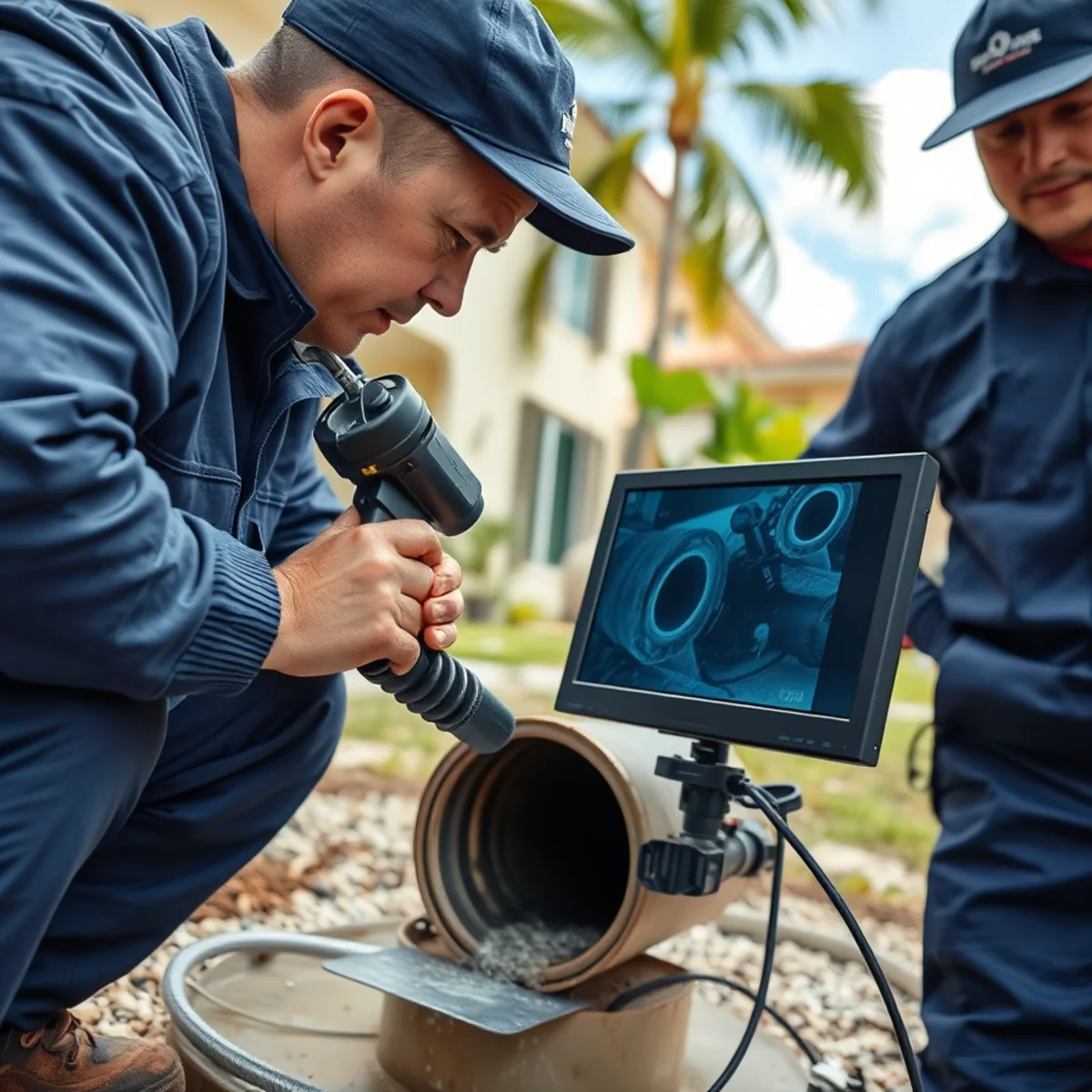
A large share of Miami-Dade’s mid-century housing has aging cast-iron drains under slabs or in walls. A camera cannot see through standing dirty water or diagnose a pressurized supply leak, but it is one of the clearest tools for understanding recurring drainage problems without opening floors first.
Signs it is time to request sewer camera inspection
The pattern, timing, and number of affected fixtures often tell more than the loudest symptom. These signs are reasons to schedule diagnosis, not proof that the most expensive repair is necessary.
- The same main-line clog keeps returning
- Several drains gurgle or back up
- An older home still has cast-iron drainage
- A buyer needs to understand the sewer before closing
- Repair or lining proposals disagree about the pipe condition
How BH Plumbing & Drain Service approaches the work
Each appointment moves from protection and diagnosis to an approved scope, completed work, and verification. The exact equipment and tests change with the system, but the decision path remains clear.
Listen and protect the work area
We start with the symptoms you have noticed, protect nearby floors and finishes, and identify any immediate shutoff or containment step.
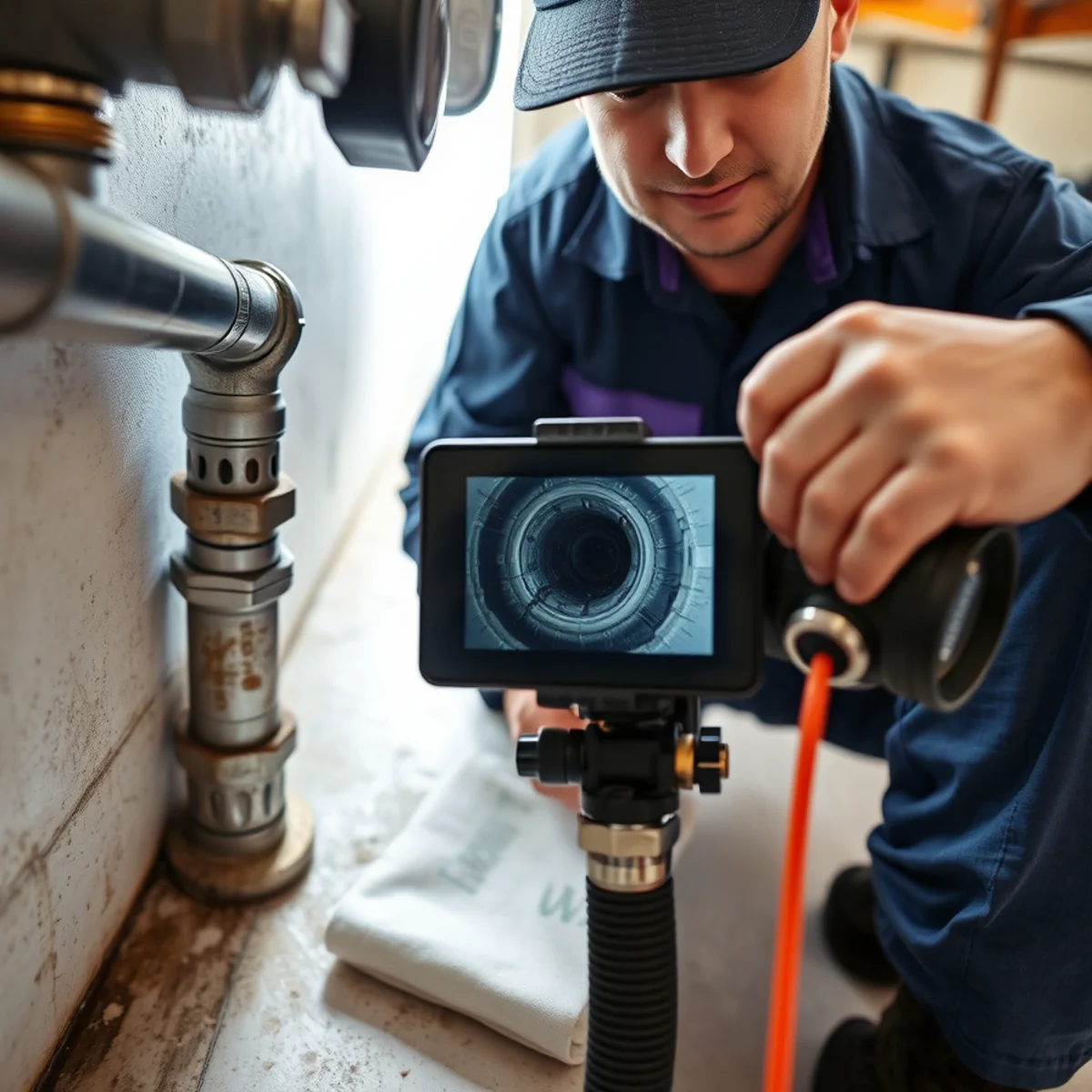
Locate an appropriate cleanout and run the camera
The technician checks the accessible system, tests the likely causes, and explains what the evidence shows before recommending work.
Document findings and mark accessible problem areas
After you approve the written scope, the repair or installation is completed with attention to clean connections, safe operation, and the surrounding property.
Verify and explain
We operate the system, check for leaks or restored flow, clean the work area, and explain practical steps that may help prevent a repeat problem.
What can a sewer camera inspection find?
A camera can show corrosion, scale, roots, cracks, offsets, foreign objects, standing water, and changes in pipe material. It may also show where a branch connects or where previous work begins.
The camera image is interpreted together with distance, access point, symptoms, and sometimes a transmitter location. Video alone should not be used to promise a repair method before the whole route is understood.
Can a sewer camera find a water-supply leak?
No. Sewer cameras inspect drain and sewer interiors; they do not travel through pressurized potable-water lines. Hidden supply leaks are evaluated with meter isolation, pressure testing, acoustic tools, moisture readings, and other leak-detection methods.
This distinction prevents the wrong diagnostic service. Gurgling and backups point toward drainage; a moving meter, warm floor, or unexplained consumption may point toward a supply leak.
Should I get a sewer scope before buying an older Miami home?
A scope can be valuable when a home has older cast iron, recurring clog history, mature trees, additions, or uncertain drain work. It gives the buyer condition evidence that a general visual inspection cannot provide.
Access must exist, and the report should note limitations. If the line is blocked or submerged, cleaning may be needed before a meaningful view.
How does the inspection goal change the sewer-camera scope?
A recurring-backup inspection looks for the cause and location of a flow restriction; a pre-purchase scope documents accessible pipe condition and risk; a post-cleaning or post-repair pass verifies the visible result. Defining that goal before entry determines which direction, accessible run, observations, and deliverables belong in the written scope.
Prepare by sharing which fixtures react together, when symptoms began, earlier cabling or jetting, known additions, repair records, and any cleanout location. Keep the agreed access area reachable and do not add chemical cleaner or remove a toilet on your own. If a usable cleanout is unavailable, or sewage and debris completely obscure the view, the technician should explain the separate access or cleaning step before changing the scope. A real-estate inspection should also identify the route actually viewed rather than implying that one camera pass covered every drain in the property.
What should sewer-camera evidence explain—and what are its limits?
Useful sewer-camera findings identify the entry point, direction traveled, accessible length viewed, pipe materials and transitions, visible deposits or defects, and any point the camera could not pass. A distance counter and sonde can support repair planning, but neither turns the inspection into a land survey or proves the condition of unseen branches.
The footage should be interpreted in context. A distance counter measures camera travel along bends, not a straight surface dimension. A sonde transmitter can help estimate a visible defect’s surface position and depth where the signal is readable, while final excavation planning still considers the pipe route and site conditions. Camera orientation, scale, grease, turbulence, standing wastewater, sharp fittings, offsets, and collapsed sections can limit the view. The camera shows the interior surface it can reach; it does not pressure-test a joint, prove the source of every wet area, determine structural wall thickness by itself, or inspect a branch the camera never entered.
What affects the estimate?
A responsible estimate reflects the condition, access, materials, equipment, permit path, and restoration—not just the service name. BH Plumbing & Drain Service does not publish a fake range that could exclude the work needed at your property.
- Line length and number of branches
- Availability and condition of cleanout access
- Need to clear a blockage before viewing
- Locating depth or surface position with a sonde
- Recording, documentation, and post-repair verification
Miami-specific planning for sewer camera inspection
A large share of Miami-Dade’s mid-century housing has aging cast-iron drains under slabs or in walls. A camera cannot see through standing dirty water or diagnose a pressurized supply leak, but it is one of the clearest tools for understanding recurring drainage problems without opening floors first.
Properties inside Miami-Dade’s 34 municipalities may use a city building department, while unincorporated parcels generally use County permitting. Condos can add management approval, service-elevator rules, vendor documents, unit protection, and shared water or drain shutdowns. Those conditions belong in the scope before work starts.
Technical entities you may hear during diagnosis
These terms describe parts, tools, or conditions relevant to this service. The technician should translate them into visible evidence and a practical decision rather than use jargon as a substitute for explanation.
- waterproof camera
- push rod
- transmitter
- sonde
- locator
- cleanout
- pipe belly
- offset joint
- root intrusion
- cast-iron scaling