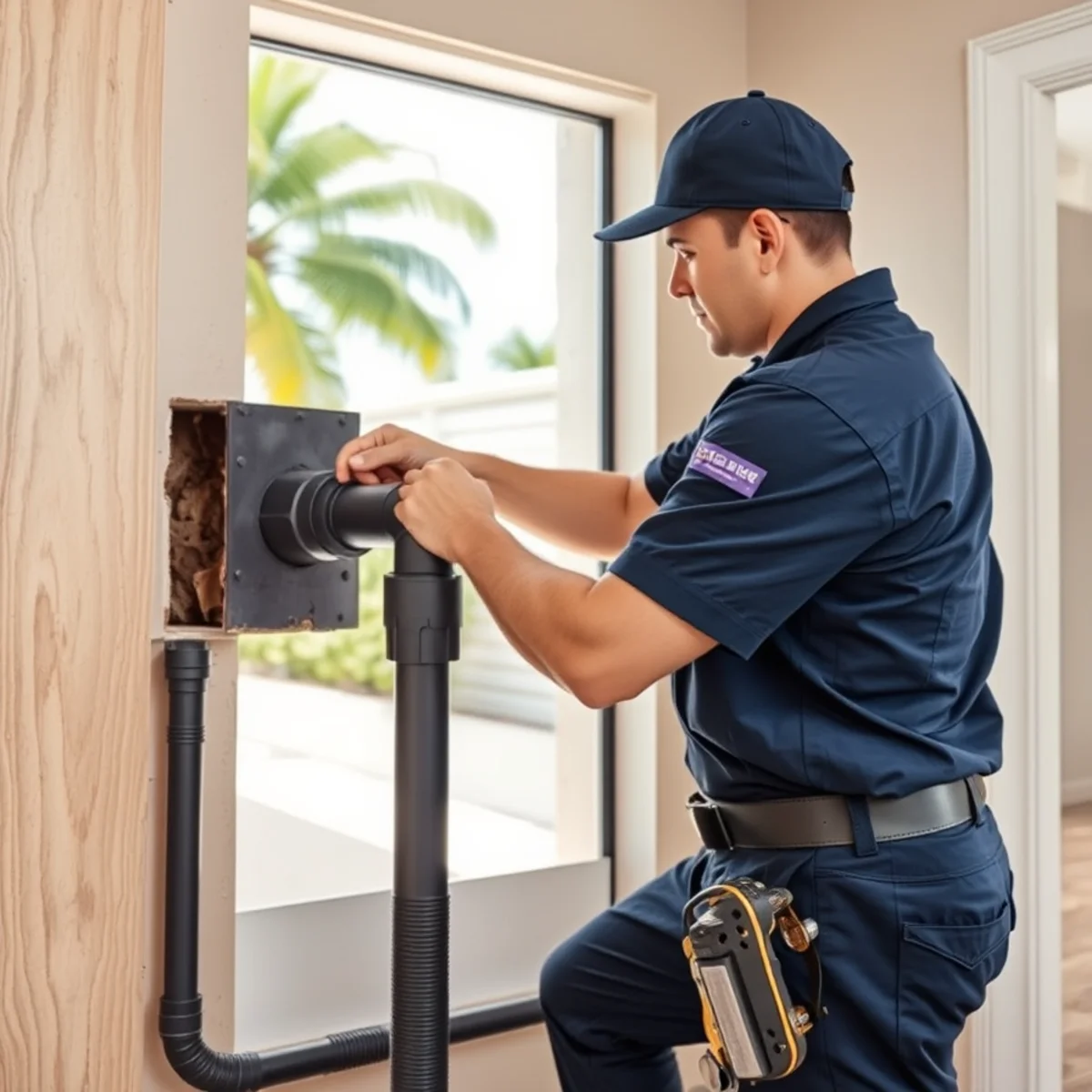
What this service covers
Repair the failed section—or replace only when the evidence supports it.
Miami properties can contain several generations of pipe in one building: cast-iron drainage, copper or CPVC supply, PVC repairs, and remodeled branches. Salt exposure, heat, movement, aggressive cleaning, and unsupported transitions can accelerate failure, but age alone does not prove every pipe needs replacement.
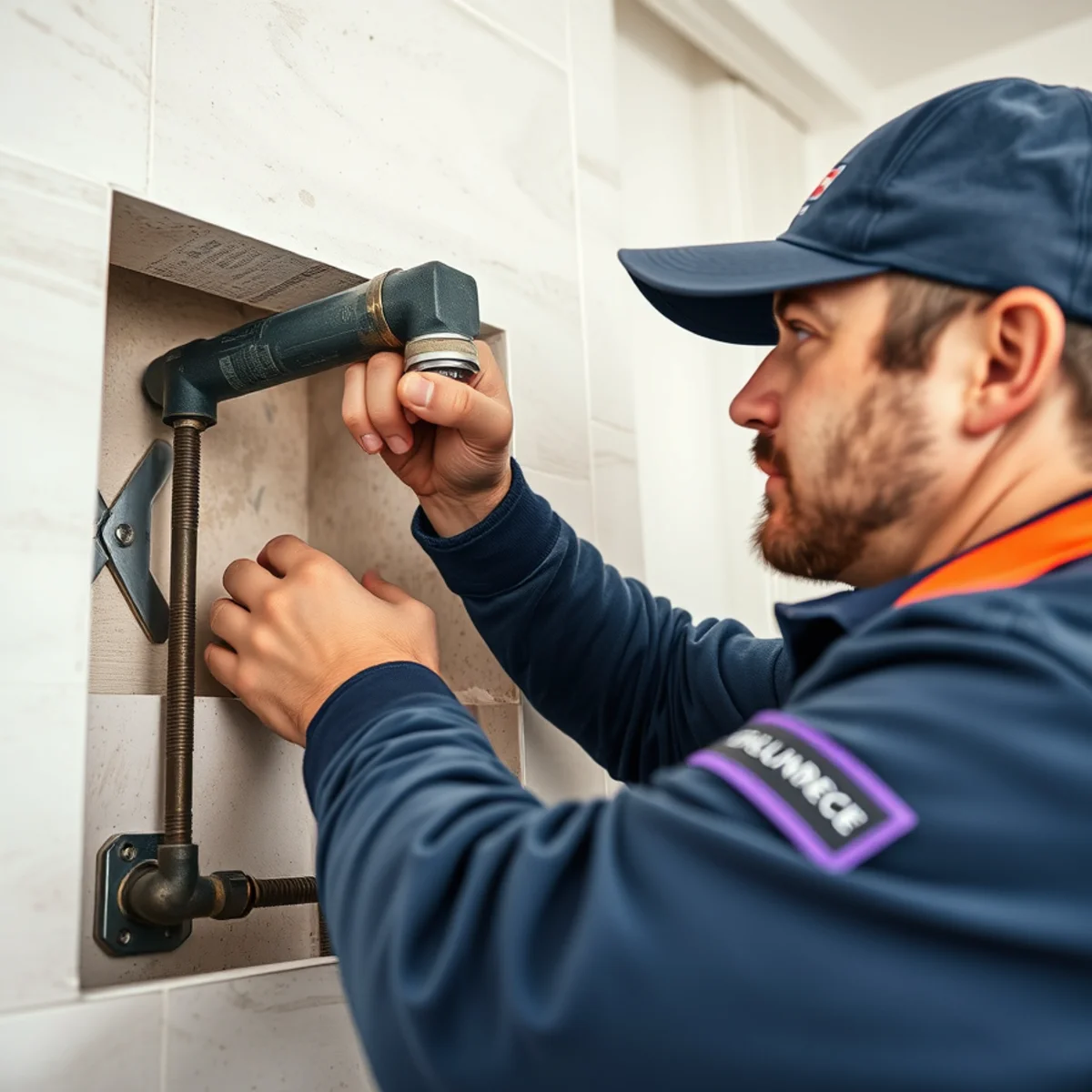
Signs it is time to request pipe repair
The pattern, timing, and number of affected fixtures often tell more than the loudest symptom. These signs are reasons to schedule diagnosis, not proof that the most expensive repair is necessary.
- Visible corrosion or dripping at a pipe
- Low pressure affects several fixtures
- A drain leaks inside a cabinet, wall, or ceiling
- Repeated patches fail along the same run
- A remodel exposes incompatible or unsupported materials
How BH Plumbing & Drain Service approaches the work
Each appointment moves from protection and diagnosis to an approved scope, completed work, and verification. The exact equipment and tests change with the system, but the decision path remains clear.
Listen and protect the work area
We start with the symptoms you have noticed, protect nearby floors and finishes, and identify any immediate shutoff or containment step.
Identify the system, material, and extent of failure
The technician checks the accessible system, tests the likely causes, and explains what the evidence shows before recommending work.
Repair the isolated section or complete the approved replacement
After you approve the written scope, the repair or installation is completed with attention to clean connections, safe operation, and the surrounding property.
Verify and explain
We operate the system, check for leaks or restored flow, clean the work area, and explain practical steps that may help prevent a repeat problem.
Can a leaking pipe be repaired without replacing the whole system?
Often, yes. A localized crack, failed fitting, valve, or accessible damaged section may support a targeted repair when surrounding material is sound. Widespread corrosion, repeated leaks, poor sizing, or inaccessible failures can make a larger replacement more sensible.
The proposal should state what is being removed, what material will replace it, how the line will be supported and tested, and whether adjacent pipe showed evidence of broader deterioration.
How do you choose a replacement pipe material?
The correct material depends on whether the line carries potable water, drainage, waste, vent, gas, or another service; its temperature, pressure, exposure, diameter, code requirements, and connections also matter.
Material should never be selected by color or price alone. Transition fittings, supports, expansion, UV exposure, firestopping, and manufacturer instructions are part of a durable installation.
What should be included in a pipe-repair estimate?
A useful estimate identifies the failed system, access point, pipe and fittings, shutdown, testing, permits, exclusions, and who restores opened finishes. It should also explain what could change if hidden conditions differ from the accessible evidence.
Condo and commercial work may require management approval, isolation of a riser or zone, protection of neighboring units, and a defined reopening test.
Which piping system is actually damaged?
Pipe repair starts by naming the service and ownership boundary, because potable water, sanitary drain-waste-vent, fuel gas, roof or storm drainage, fire protection, irrigation, pool, and process piping do not share one material, test, permit, or repair method. The visible stain or exposed pipe location is not enough; the system, direction of flow, pressure, fixtures served, and authorized isolation point must agree.
For a water-supply concern, identify the serving meter or submeter, private service line, building shutoff, hot and cold branches, water heater, recirculation, riser, pressure zone, fixture stops, irrigation and pool connections. A sanitary concern is mapped from fixture trap and branch through the stack, building drain, cleanout and private sewer lateral; a sewer camera sees only the accessible drainage interior and cannot diagnose a pressurized water line. Roof leaders, storm conductors, overflow drains and site drainage are separate from sanitary waste even when water appears in the same ceiling or slab edge. Gas piping follows the applicable fuel-gas scope, isolation and testing procedure, and a suspected gas condition is not investigated with a water-pipe pressure test. Fire-service mains, sprinkler risers, standpipes, valves, alarms and impairment procedures require the authorized building and fire-protection parties; a domestic-plumbing shutoff does not authorize fire-system work. In a Brickell or Miami Beach condominium, also identify whether the pipe is within the unit, a common riser or stack, central equipment, a neighboring unit or another managed system. The field record should name the asset tested, what it serves, who authorized isolation, which other systems were excluded, and what evidence connects the symptom to that boundary before a repair proposal is expanded.
What evidence defines the source and the failed length before access?
The useful evidence is repeatable and system-specific. Meter movement, pressure loss, controlled fixture or drain use, visible joint leakage, acoustic response, moisture or thermal patterns, camera findings, plans and isolation can narrow a source, but each has limits. The goal is the smallest defensible repair boundary—not an exact-point promise or a whole-system conclusion from one stain, low-pressure complaint, age, or material label.
For a suspected pressurized supply leak, record a controlled no-use meter observation only after known fixtures, toilets, appliances, treatment equipment, irrigation, pool fill and automatic users are accounted for. Compare hot, cold, fixture, branch, riser or service segments only through safe, functional and authorized valves; a valve that passes can make a pressure-decay result inconclusive. Acoustic listening supports an escape under pressure when pipe material, route, depth, pressure and background noise allow it. Thermal imaging shows surface-temperature differences, and a moisture meter samples material response; neither sees through a wall nor identifies pipe material or cause by itself. For sanitary DWV, reproduce one fixture or branch at a time, inspect accessible joints, use dye where appropriate, and camera the accessible interior after flow permits. A camera can document cracks, corrosion, separation, roots, standing water or an obstruction, but not the pipe exterior, every connection or the exact leak rate. Roof or storm symptoms should be correlated with rainfall or controlled drainage testing under the correct building scope. Gas and fire piping require their own authorized inspection, impairment and test procedures rather than inference from plumbing readings. Before opening a wall, ceiling, cabinet or slab, document test conditions, valve positions, fixtures and units included, route assumptions, positive and negative findings, inaccessible areas and whether an access opening is needed to confirm—not merely repair—the suspected section.
When is spot repair, rerouting, sectional replacement, or a larger repipe justified?
A spot repair can be responsible when one fitting or short section has a confirmed defect and adjacent piping is serviceable. Rerouting can avoid a risky buried route; sectional replacement can address multiple verified defects on one run; broader repiping needs evidence of distributed failure, repeated defects, unsuitable sizing or configuration, or access economics across the defined system. Age or one leak alone does not prove whole-house failure.
Compare options using the confirmed system and route, visible wall condition, history and location of prior repairs, pressure or drainage performance, number and distribution of defects, pipe sizing, temperature and exposure, material compatibility, access that would be repeated, fixtures or units served and the consequence of another failure. A direct repair can replace a failed valve, fitting, joint or length while preserving sound pipe. A reroute must still deliver required flow or drainage, avoid inaccessible or prohibited locations, protect the pipe, maintain future service access and abandon the old segment as required. Sectional supply replacement should define endpoints, branches, transitions, shutoffs and pressure zones; sectional DWV replacement should maintain diameter, direction, slope, venting, cleanouts and support. Copper, PEX, CPVC, PVC, cast iron and galvanized steel are not selected interchangeably: potable-water rating, temperature, pressure, UV or physical exposure, chemical compatibility, approved fittings, manufacturer instructions and the adopted code control. Dissimilar materials need an approved transition rather than an improvised sleeve; metallic transitions may also require attention to galvanic action. Pipe must be supported for its material, diameter, orientation and movement, with protection at penetrations and restoration of firestopping where disturbed. After installation, a potable segment receives the applicable pressure/leak and operational checks; sanitary work receives the applicable DWV test and controlled-flow or camera verification; gas or fire work follows its separate authorized procedure. The closeout should never call one test proof of every piping system.
How should slab, wall, and condo access, pricing, permits, restoration, and closeout be planned?
The written scope should identify access, shutdown, repair limits, material, transitions, support, test, permit authority, inspection stage and restoration responsibility before finishes are opened. Price changes with the system, length, diameter, route, number of zones or units, access, equipment, building coordination and approved method. Detection, plumbing, drying and finish restoration are distinct scopes unless the proposal expressly combines them.
In a slab-on-grade Miami home, compare direct concrete access with a wall or overhead reroute using the confirmed route, affected fixtures, structural and finish conditions, future access and the amount of piping actually implicated. A sanitary line replacement through a slab can invoke Miami-Dade's specific permit category, slab-cut detail, trench-backfill and concrete-inspection requirements; a potable reroute, gas alteration, structural opening or municipal property can follow a different path. Verify the exact address and authority because the City of Miami, another municipality and unincorporated Miami-Dade issue and administer permits separately. In a condo, apartment, hotel or commercial property, document owner or management authorization, vendor requirements, unit and common-property boundaries, neighboring access, elevator or loading rules, water shutdown and notice window, valve contingency, protection, fire-alarm or life-safety coordination, work hours and who may reopen the system. The estimate should separate diagnosis, access, pipe/fittings, isolation, temporary containment if approved, permit, inspection, testing, drying and concrete, tile, waterproofing, drywall, cabinetry, paint, landscaping or firestopping restoration. Hidden conditions should trigger a stop-and-document decision before the scope grows. Closeout identifies the exact system and segment, old and new materials, transition fittings, supports, valves, branches served, test method and conditions, results, permit/inspection status, photographs, areas left open for inspection, remaining moisture and every inaccessible or excluded section. Existing wet finishes can require drying or material evaluation after the source is stopped; that residual moisture is not automatic proof that the pipe repair failed.
What affects the estimate?
A responsible estimate reflects the condition, access, materials, equipment, permit path, and restoration—not just the service name. BH Plumbing & Drain Service does not publish a fake range that could exclude the work needed at your property.
- Pipe material, diameter, and failed length
- Access behind walls, cabinets, ceilings, or slabs
- Isolation and shutdown requirements
- Permit, inspection, and building-management requirements
- Drywall, tile, concrete, landscape, or cabinet restoration
Miami-specific planning for pipe repair
Miami properties can contain several generations of pipe in one building: cast-iron drainage, copper or CPVC supply, PVC repairs, and remodeled branches. Salt exposure, heat, movement, aggressive cleaning, and unsupported transitions can accelerate failure, but age alone does not prove every pipe needs replacement.
Properties inside Miami-Dade’s 34 municipalities may use a city building department, while unincorporated parcels generally use County permitting. Condos can add management approval, service-elevator rules, vendor documents, unit protection, and shared water or drain shutdowns. Those conditions belong in the scope before work starts.
Technical entities you may hear during diagnosis
These terms describe parts, tools, or conditions relevant to this service. The technician should translate them into visible evidence and a practical decision rather than use jargon as a substitute for explanation.
- copper
- PEX
- PVC
- CPVC
- cast iron
- galvanized steel
- isolation valve
- pressure test
- slope
- pipe support