Does Miami have hard water?
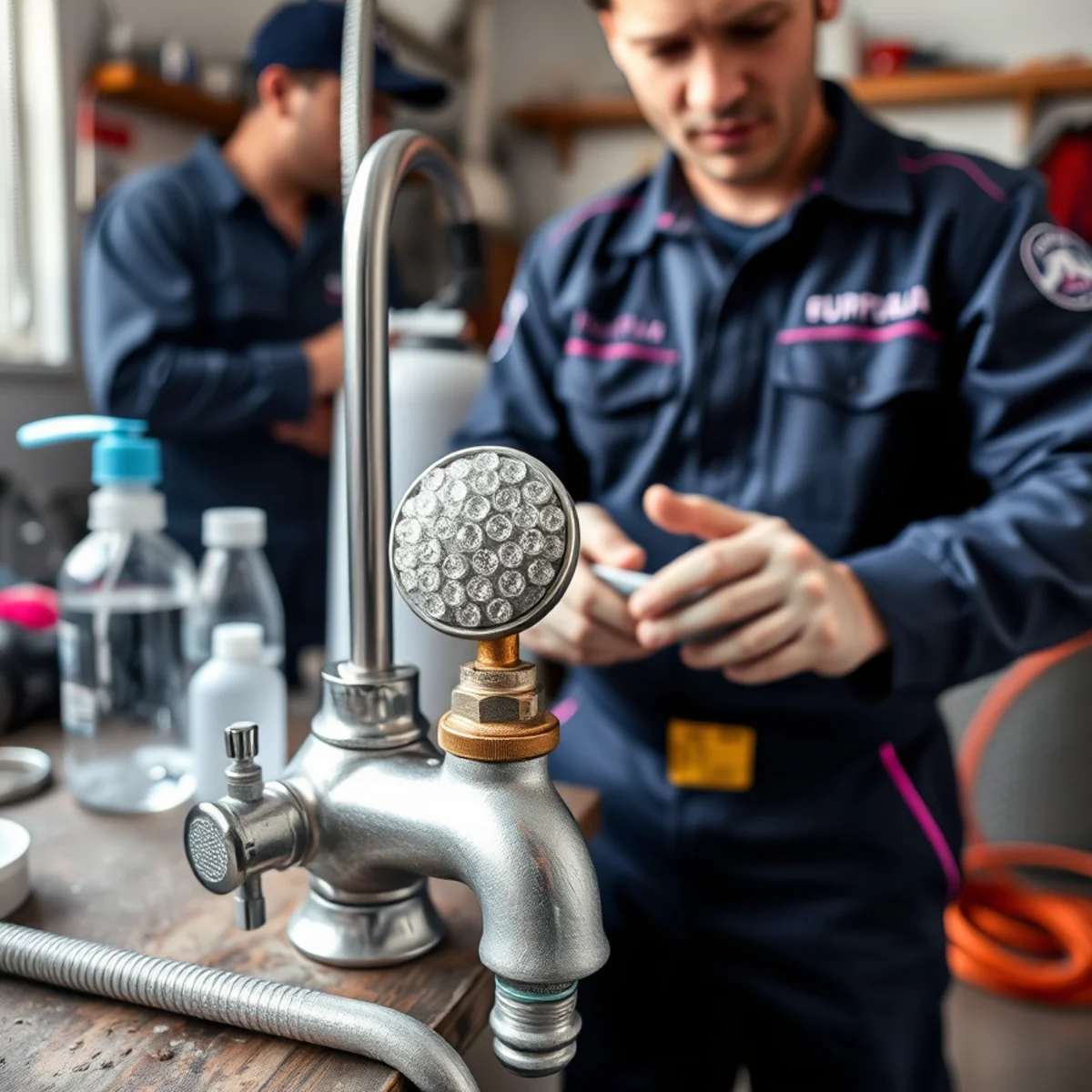
Water hardness varies by source, treatment, and location, so a current utility report or test is more useful than a blanket label. Many Miami households still observe mineral deposits on aerators, glass, fixtures, and heated equipment.
White scale is evidence of minerals left as water evaporates. It does not prove pipe corrosion or unsafe water. Test before buying treatment equipment, and define whether the goal is scale control, taste, odor, chlorine reduction, or another concern.
Can scale lower water pressure?
Scale can restrict an aerator, showerhead, valve cartridge, heater passage, or older pipe interior, reducing flow at one or more fixtures. Whole-home pressure loss can also come from a valve, regulator, leak, service line, or municipal supply.
Remove and inspect an aerator to compare flow, but avoid damaging finishes. If only hot water is weak, focus on the heater and hot distribution. If every fixture is affected, measure pressure and inspect the main controls.
How does scale affect water heaters?
Minerals can settle in tank heaters and coat tankless heat exchangers. The buildup reduces heat transfer, contributes to noise, narrows passages, and can increase stress on elements or burners. Maintenance must follow equipment instructions.
Flushing a badly neglected or corroded tank is not automatically safe or useful. Tankless isolation valves make descaling easier, but the solution, flow, and intervals should match the manufacturer.
Is filtration the same as softening?
No. Filters target selected particles, tastes, odors, or contaminants, while softeners exchange hardness minerals. Some scale-control systems use other methods. Equipment should be selected from water data and the desired result, not from one generic sales claim.
Treatment adds maintenance, drains, cartridges, salt, and space requirements. It can also affect taste and sodium. Review third-party certifications and installation needs before choosing a whole-house device.
Practical next steps
Record the symptom before changing the system, protect people and finishes from active water or sewage, and choose the diagnostic step that can distinguish a maintenance issue from damaged equipment or piping.
- Check aerators and showerheads before assuming the whole house has low pressure.
- Use current water data or testing before selecting treatment.
- Follow heater and fixture manufacturer maintenance instructions.
- Track whether symptoms affect hot, cold, one fixture, or the full system.
How property type changes the decision
Water symptoms should be separated by hot versus cold, one fixture versus the whole property, and aesthetic versus health concerns. A condo may share building treatment or pressure equipment. A house may have private devices at the service entry. Commercial equipment may have manufacturer-specific water limits that change maintenance decisions.
Before calling, make a short timeline: when the symptom started, what changed immediately before it, which fixtures or equipment react together, whether a shutoff changes it, and what prior service found. Photograph labels, connections, stains, cleanouts, or error codes without entering an unsafe area. That record helps the plumber select the first test and keeps a quote tied to the actual property.
Relevant Miami plumbing services
The following service guides explain how the diagnosis, equipment, scope, and pricing factors connect to this topic.
For additional local context, see plumbing service in Kendall and plumbing service in Miami Lakes.
Bottom line
Treat the symptom and the water data, not a slogan. BH Plumbing & Drain Service can inspect scale-related fixture or heater problems and explain which maintenance or repair belongs in the plumbing scope. Water-treatment recommendations should follow testing and clearly defined goals.