What this service covers
Know the shutoffs, protect vulnerable systems, and plan for outages before the storm.
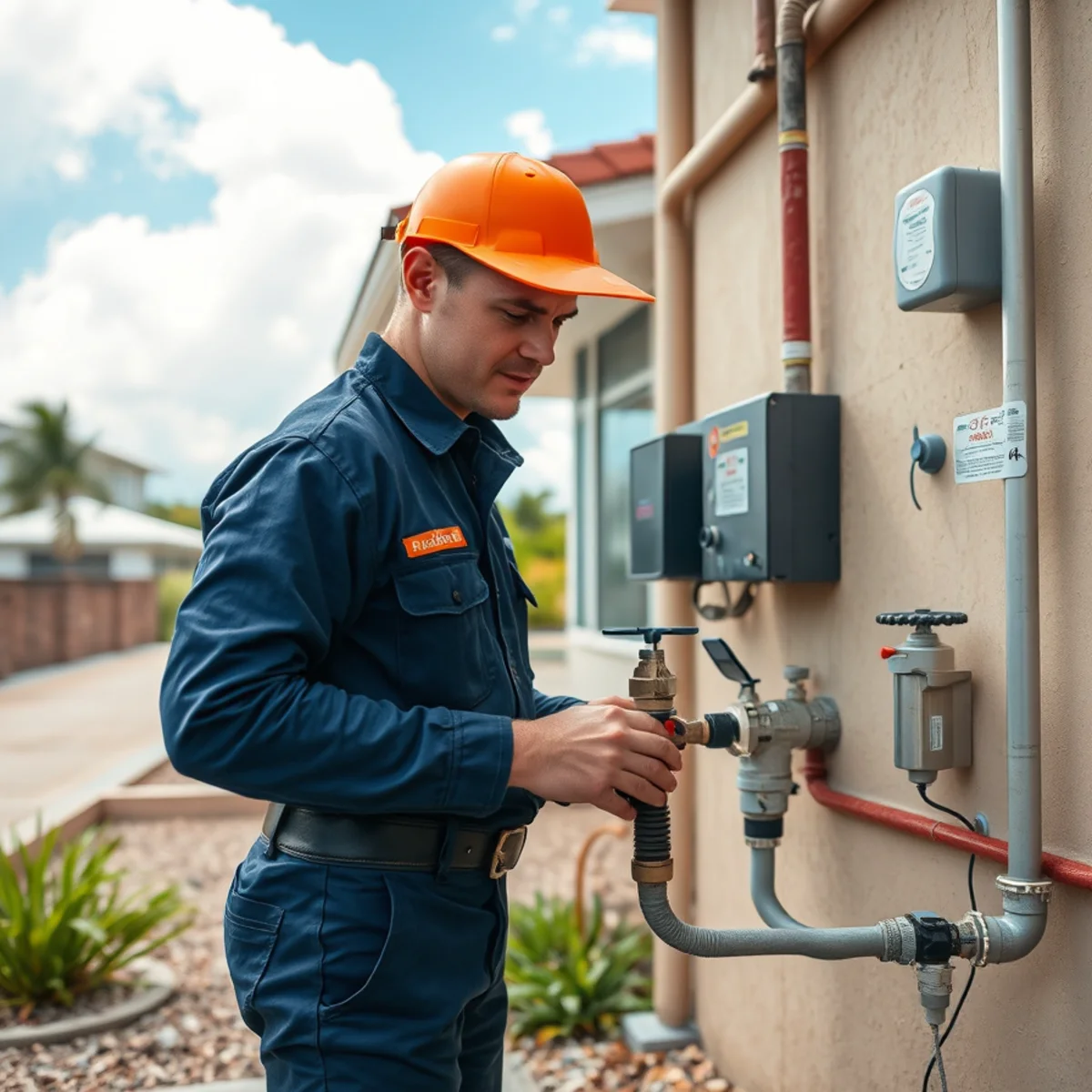
Miami hurricane plumbing risks include intense rain, high groundwater, storm surge near the coast, power loss, sewer surcharge, wind-driven debris, and saltwater exposure. A coastal condo, inland slab home, restaurant, private-well property, and Florida Keys stilt house need different checklists.
Signs it is time to request hurricane plumbing prep
The pattern, timing, and number of affected fixtures often tell more than the loudest symptom. These signs are reasons to schedule diagnosis, not proof that the most expensive repair is necessary.
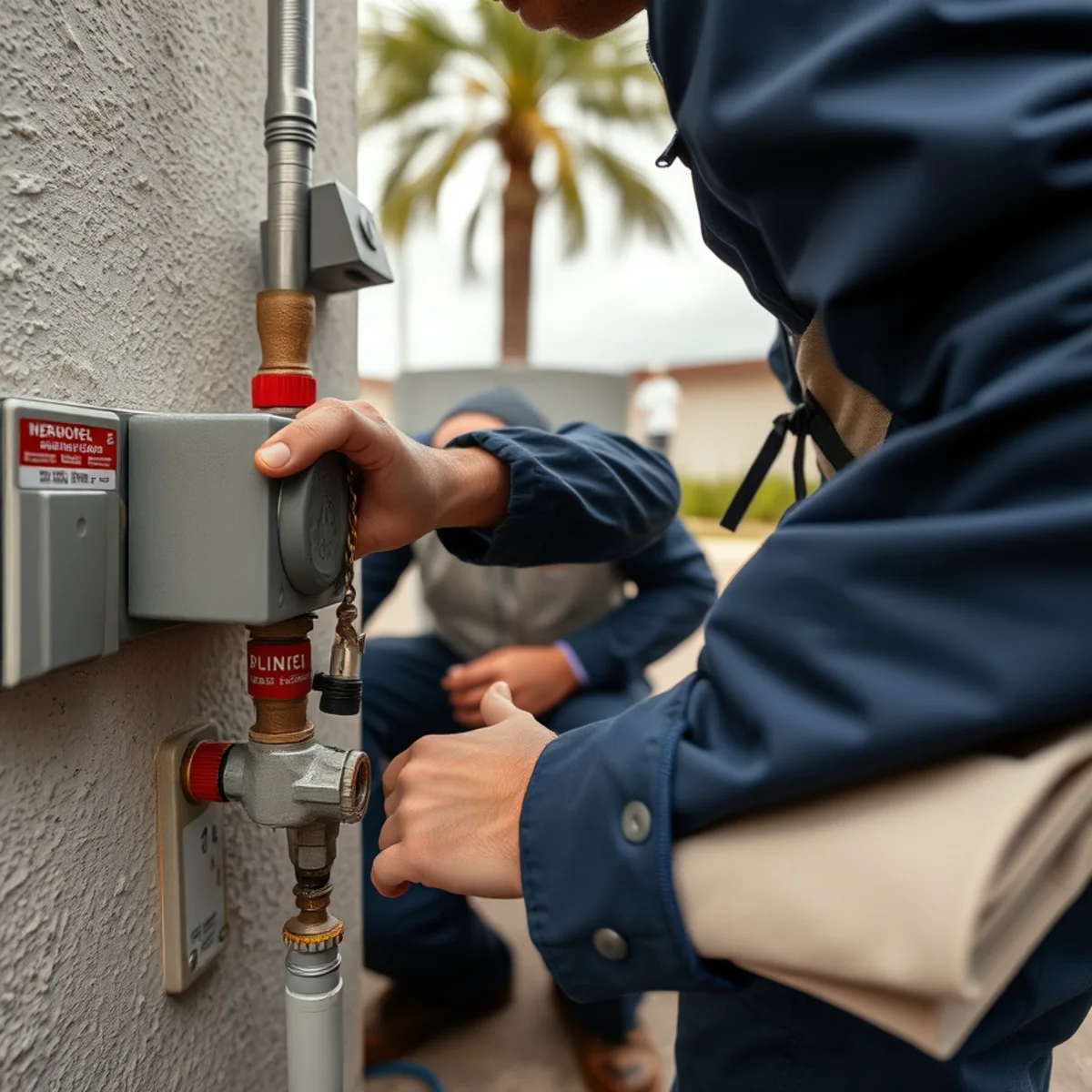
- The main water shutoff is unknown or difficult to operate
- Exterior pipes, pumps, or equipment are exposed
- Drains gurgle or back up during heavy rain
- A property depends on an electric drainage or well pump
- The emergency contact and restart plan is undocumented
How BH Plumbing & Drain Service approaches the work
Each appointment moves from protection and diagnosis to an approved scope, completed work, and verification. The exact equipment and tests change with the system, but the decision path remains clear.
Listen and protect the work area
We start with the symptoms you have noticed, protect nearby floors and finishes, and identify any immediate shutoff or containment step.
Review shutoffs, drainage, pumps, exposed equipment, and property-specific risks
The technician checks the accessible system, tests the likely causes, and explains what the evidence shows before recommending work.
Complete approved maintenance and document safe storm procedures
After you approve the written scope, the repair or installation is completed with attention to clean connections, safe operation, and the surrounding property.
Verify and explain
We operate the system, check for leaks or restored flow, clean the work area, and explain practical steps that may help prevent a repeat problem.
Should I shut off the water before a hurricane?
Do not follow one rule for every property. If evacuation, building management, utility instructions, fire protection, pumps, or occupied systems are involved, shutting water may have consequences. Identify and test the correct valve in advance, then follow official guidance.
Never operate a shared condo or municipal valve without authorization. A seized valve should be serviced before an emergency, not forced during one.
Can heavy rain cause sewer backups?
Yes. Inflow, infiltration, saturated ground, pump failure, a restricted private lateral, or a surcharged public system can contribute. A backwater valve or cleaning helps only when it matches the actual cause and is maintained.
Keep floodwater and sewage away from skin and electrical equipment. Stop fixture use and report utility-side problems to the proper authority.
What should be checked after a storm?
Look for visible leaks, displaced equipment, sewage, damaged vents, contaminated private wells, unusual pump operation, and utility notices before normal use. Avoid energized wet areas and photograph damage before repairs when safe.
Follow boil-water or private-well disinfection guidance from public authorities. Equipment exposed to floodwater may need specialist evaluation.
What belongs in a property-specific hurricane plumbing inventory?
A useful inventory maps the public utility boundary, meter, private service, building and unit shutoffs, water heater, drains, sewer lateral, cleanouts, backflow and irrigation, drainage or sewage pumps, alarms, power, private well or septic system, and exposed outdoor fixtures. It also names who may access and operate each item. A checklist without ownership, condition, and authority can create risk during a storm.
Start with the serving water and wastewater utility, account or meter, emergency-report channel and the documented point where public responsibility changes to private plumbing. For a Miami-Dade WASD account, the County describes its water responsibility through the meter box, but municipal utilities, master-metered buildings, shared laterals and association documents can divide responsibility differently. Trace the private service to the building main, then record unit shutoffs, fixture stops, riser or pressure-zone valves and any fire-protection, process or irrigation controls that must not be confused with domestic water. In a Brickell or Miami Beach condominium, identify management, engineer or maintenance contacts, the person authorized to close a riser, affected units, tenant notice, keys and service access; a resident must not operate a shared valve or represent a unit stop as the building main. Record the water heater’s fuel, shutoff, visible connections, drain pan or drain route, relief discharge, model information and accessible condition without changing a safety control. Map fixture branches, building drains, sanitary stacks, private sewer lateral, cleanouts and any maintained backwater valve separately from roof, yard, street and municipal storm drainage. Add backflow assemblies, irrigation valves, hose bibbs, pool or dock plumbing, exposed piping and outdoor equipment. Identify every sump or drainage pump, sewage ejector, lift pump, well pump and septic pump by actual function, with float, check valve, alarm, controller, primary power and any finite backup. For private wells, record casing/head location, pump/control and potable-use status; for septic, record tank, access, pump/alarm and drainfield without opening or entering components. Keep photographs, model/serial information, valve labels, prior defects, permit records, utility/building contacts, occupant needs and an offline copy of the map. The inventory documents accessible observations and authority; it does not certify concealed piping, public infrastructure, flood protection or water quality.
What should be inspected, serviced, or documented before conditions become unsafe?
Use the pre-storm window to correct known accessible defects, not to experiment during a warning. Confirm the identity and condition of authorized private shutoffs; inspect visible water-heater connections, exposed piping, drains, cleanouts, backflow devices, pumps, floats, alarms, outlets, and discharge paths; obtain required parts and approvals; and record limitations. Stop field work when official warnings, evacuation orders, wind, lightning, flooding, access restrictions, or unsafe utilities intervene.
An accessible private water valve can be identified and function-checked under controlled conditions when occupants and affected equipment are prepared, but do not force a seized valve, excavate a meter box, manipulate a utility curb stop, close a condo riser, impair fire protection or operate an unknown gas control. Repair a deteriorated valve before the emergency only through the appropriate authorized scope. Inspect the water heater and connected equipment for active leakage, corrosion, unsupported piping, blocked relief discharge, damaged pan/drain, unstable mounting or a vulnerable outdoor location; gas, venting, electrical, anchoring, relocation and flood-elevation work can require separate qualified trades, product instructions, permits and building approval. Review slow drains, gurgling, recurring backups and accessible cleanouts before rainfall, but select cabling, cleaning, camera inspection, backwater-valve service or sewer repair only from the actual private-system evidence. Cleaning a line cannot prevent a public sewer surcharge, storm surge, saturated septic field, groundwater rise or a defect outside the cleaned segment. Do not open a public manhole, improvise a drain plug, cap a vent, bypass a backflow assembly or route water into an unapproved sanitary, storm, neighbor, street, canal or water-body destination. Test a drainage, sewage, lift or well pump only under safe dry electrical conditions and the exact system instructions; verify unobstructed float travel, normal start/stop response, accessible check/discharge condition, alarm annunciation and controller status without entering a basin or touching wet equipment. Battery or generator support needs compatible load, transfer, fuel/energy, ventilation and qualified electrical planning; an extension cord or improvised backfeed is not a backup design. Backflow and irrigation protection follows the service, hazard, current utility requirement and assigned qualified role, not a generic storm valve. Prioritize active leaks, failed authorized shutoffs, alarm faults, exposed damage and documented recurring wastewater symptoms early enough for parts, permits, inspections, association approval and specialist scheduling. A hurricane watch or warning is not a fixed service deadline, and no arrival, material availability, permit approval or completion time should be promised once conditions and public-safety instructions control access.
How should drinking water, pumps, private wells, and septic systems be planned for outages or flooding?
Follow the serving utility, Miami-Dade Emergency Management, health department, CDC, or EPA guidance for the actual event and water source. Store potable water in approved clean containers when officials recommend it; obey the exact scope and rescission of any boil-water order. A flood-exposed private well needs the proper inspection, disinfection, sampling, and laboratory clearance, while a saturated septic system and wet pumps require restricted use and qualified evaluation.
Public-water customers should subscribe to their utility and local emergency alerts and keep official guidance available offline. Miami-Dade publishes current container preparation, timing and quantity recommendations; link to that source instead of turning changeable emergency guidance into a permanent one-size-fits-all plumbing instruction. A precautionary boil-water notice applies only where and when the responsible utility or health authority issues it and remains in effect until that authority rescinds it. Follow the notice for drinking, cooking, brushing teeth, ice, dishes, infant formula and other named uses. Bottled, boiled or otherwise treated water choices must match official directions. Ordinary boiling or household disinfection does not make water contaminated by fuel, toxic chemicals or radioactive material safe; use a different approved source and contact the health authority. Do not treat water from a water heater, boiler, pool, spa, fire system or unknown storage as potable merely because it appears clear. A private domestic well affected by floodwater, lost pressure, damaged casing or disturbed equipment stays out of drinking and hygiene use until the applicable health guidance, qualified inspection, disinfection and certified-laboratory sampling support return. Clear water, restored pump pressure or a plumbing repair is not a potability result. Stay away from a flooded wellhead, pump, controller or electrical enclosure. For septic properties, identify gravity versus pumped components, alarm and drainfield before the event. Saturated soil can prevent normal treatment and cause slow drains, overflows or sewage exposure; reduce system use when official guidance directs, keep floodwater out where safely maintainable and do not open, enter, indiscriminately pump, drive over or add chemicals to the tank. Avoid wet septic electrical equipment and use the assigned septic, well and electrical specialists. Sump, drainage, sewage, septic and well pumps have different liquids and duties. Their alarms, batteries, controllers and generators offer finite warning, flow, head and energy and can fail; they do not guarantee flood prevention, sewer protection, potable water or continuous service. Record what each backup supports, expected operating point, fuel or battery care, transfer method, test result and the conditions it cannot address.
What is the safe post-storm plumbing triage and repair sequence?
Wait for official reentry clearance, then resolve structural, gas, electrical, floodwater, and sewage hazards before operating plumbing. Report public flooding, mains, meters, manholes, or utility service problems through the responsible authority. For private systems, document visible damage, isolate only known authorized controls when safe, check supply and drainage in controlled stages, and separate temporary stabilization from permitted permanent repair, drying, disinfection, restoration, and unresolved exclusions.
Do not enter standing water near downed wiring, energized equipment, a wet panel, pump or water heater. If gas is smelled or suspected, leave the area and follow the gas utility and emergency authority; do not create a spark or attempt an indoor leak search. Avoid contact with sewage and floodwater, keep others away and arrange the appropriate contamination cleanup. Do not open a public manhole to relieve street flooding. Photograph conditions and equipment from a safe location before moving debris or authorizing work, and record time, utility status, notices, alarms, odors, water levels and affected fixtures. Identify whether the problem is public or private: loss of neighborhood service, a public main/meter issue, sewage at a municipal structure or street flooding belongs first to the responsible utility or government report path, while a private leak beyond the defined service boundary, unit branch, building drain, lateral, equipment connection or privately owned pump follows the owner/association scope. After officials confirm the water source and building are safe to use, inspect accessible exposed piping, hose bibbs, backflow/irrigation equipment, heater, vents and terminations, pump basins/controllers, wellhead and septic area for displacement, impact, corrosion, leakage, flood exposure or abnormal alarms. Do not energize flood-exposed gas or electric equipment, reset a wet breaker or controller, force a seized valve, or restart a pump dry. Where safe and authorized, observe the meter during controlled no-use, restore a private water valve gradually, compare static and flowing pressure, inspect each disturbed connection and test fixtures in stages. On drainage, begin with the lowest affected fixtures, cleanout observation and whether several fixtures or units react together; stop water use if wastewater rises. Pump, camera, pressure, flow, electrical, combustion, well-water and septic findings each have different qualified scopes and no single check certifies the whole property. Emergency stabilization may isolate a confirmed private leak, stop fixture use, contain accessible discharge or restore one documented function; it must state temporary materials, limits, monitoring and the path to permanent repair. Permanent work can require exact parts, excavation, permit, inspection, utility or condo approval and another trade. Plumbing work does not include structural assessment, electrical restoration, fuel-gas clearance, mold evaluation, water extraction, drying, disinfection, environmental cleanup, cabinetry, flooring, drywall or insurance adjustment unless expressly contracted with the qualified party. The estimate should separate diagnosis, emergency access, stabilization, permanent plumbing, equipment, permits, specialists, testing, cleanup/restoration and return visits. Closeout records photographs, source and ownership, tests, utility/permit status, work performed, parts, water or wastewater advisories, remaining hazards, excluded systems and who owns drying and finish restoration—without a fixed price, completion time or storm-performance guarantee.
What affects the estimate?
A responsible estimate reflects the condition, access, materials, equipment, permit path, and restoration—not just the service name. BH Plumbing & Drain Service does not publish a fake range that could exclude the work needed at your property.
- Property type, number of systems, and accessible shutoffs
- Drain cleaning, camera, backflow, pump, or repair needs
- Exterior protection and equipment anchoring scope
- Condo, commercial, generator, or utility coordination
- Permit, specialist, material, and pre-storm scheduling constraints
Miami-specific planning for hurricane plumbing prep
Miami hurricane plumbing risks include intense rain, high groundwater, storm surge near the coast, power loss, sewer surcharge, wind-driven debris, and saltwater exposure. A coastal condo, inland slab home, restaurant, private-well property, and Florida Keys stilt house need different checklists.
Properties inside Miami-Dade’s 34 municipalities may use a city building department, while unincorporated parcels generally use County permitting. Condos can add management approval, service-elevator rules, vendor documents, unit protection, and shared water or drain shutdowns. Those conditions belong in the scope before work starts.
Technical entities you may hear during diagnosis
These terms describe parts, tools, or conditions relevant to this service. The technician should translate them into visible evidence and a practical decision rather than use jargon as a substitute for explanation.
- main shutoff
- storm drain
- backwater valve
- backflow assembly
- sump pump
- generator
- water heater restraint
- sewer backup
- floodwater
- boil-water notice