Why does my toilet keep running?
A worn flapper, incorrect chain length, high float, faulty fill valve, mineral buildup, or damaged flush-valve seat can let water escape from tank to bowl. The fill valve then cycles to replace it.
Place a few drops of food coloring in the tank and wait without flushing. Color entering the bowl indicates an internal leak. Inspect the overflow level and chain; avoid overtightening adjustments or using incompatible universal parts.
Why does the toilet clog again after plunging?
The obstruction may not be fully removed, the fixture trapway may hold an object, the branch or main line may be restricted, or an older low-performance toilet may struggle with normal use. Other fixture symptoms help locate the problem.
A closet auger addresses the fixture. If the shower gurgles, another toilet reacts, or a low drain backs up, stop treating the bowl and evaluate the downstream line. Repeated wipes, excessive paper, roots, scale, and poor slope require different solutions.
What causes water at the toilet base?
A failed seal, damaged flange, loose mounting, cracked porcelain, supply leak, tank leak, or condensation can all wet the base. Dry the fixture and observe during and after a test flush to identify the source.
Miami humidity can cause cold tanks to sweat, especially in poorly ventilated baths. Condensation is clean water on the outer surface; a failed seal may release water during flushing and can carry sewer odor.
When should a toilet be replaced?
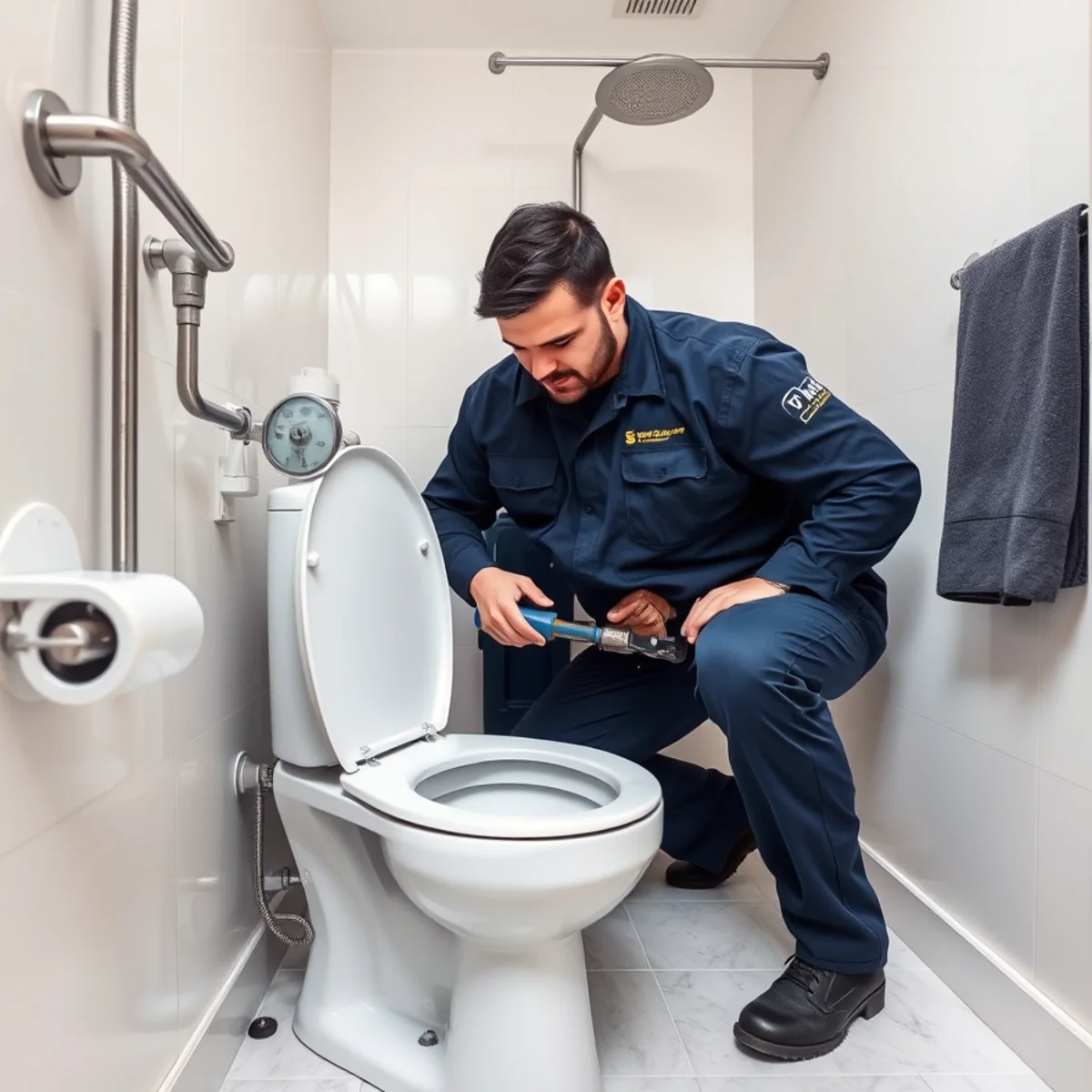
Replace when porcelain is cracked, the trapway is damaged, compatible parts are unavailable, clogs or repairs repeat, or efficiency and performance no longer justify continued service. Many running-toilet problems still need only a component repair.
Measure the rough-in, check flange condition, choose bowl shape and height, and confirm the supply stop before purchasing. Installation should include a new seal, stable mounting, leak tests, and multiple flush tests.
Practical next steps
Record the symptom before changing the system, protect people and finishes from active water or sewage, and choose the diagnostic step that can distinguish a maintenance issue from damaged equipment or piping.
- Use a flange plunger, not a flat sink plunger.
- Never keep flushing a bowl that is rising.
- Run a dye test for silent tank leaks.
- Watch whether other fixtures react to identify a downstream problem.
How property type changes the decision
Fixture work changes when the visible product is only part of the problem. Record whether the symptom is hot, cold, supply, drainage, movement, odor, or operation. In condos and older homes, concealed stops, branches, flanges, valves, and prior remodel transitions can turn a simple replacement into a broader access decision.
Before calling, make a short timeline: when the symptom started, what changed immediately before it, which fixtures or equipment react together, whether a shutoff changes it, and what prior service found. Photograph labels, connections, stains, cleanouts, or error codes without entering an unsafe area. That record helps the plumber select the first test and keeps a quote tied to the actual property.
Relevant Miami plumbing services
The following service guides explain how the diagnosis, equipment, scope, and pricing factors connect to this topic.
For additional local context, see plumbing service in Hialeah and plumbing service in Kendale Lakes.
Bottom line
Observe first: tank, base, fixture trap, or downstream drain. BH Plumbing & Drain Service repairs toilets and the plumbing around them, from flappers and fill valves to flanges, supplies, and recurring branch clogs. That prevents replacing a fixture when the real problem is farther down the line.