Why is my water bill suddenly high?
A leak is one possibility, but irrigation, guests, pool filling, meter changes, and altered use can also raise consumption. Check the utility period, then observe the meter with all known water use off.
Do not shut equipment down unsafely. Confirm toilets are not silently running and appliances are idle. A moving leak indicator supports further isolation; a still meter does not rule out an intermittent drain or weather-related moisture source.
How do I use the water meter to check for a leak?
Turn off fixtures and known water-using equipment, record the meter, avoid use for a defined period, and compare. Movement suggests water is passing the meter, but it does not identify the source.
The next steps may isolate irrigation, pool fill, toilets, heater, hot and cold branches, or the building supply. In condos, a unit meter may not capture a shared stack or water arriving from above.
What are slab-leak warning signs?
Unexplained meter movement, warm or damp flooring, water sound, pressure loss, baseboard moisture, and repeated flooring damage can point toward a buried supply leak. Each sign also has other possible causes.
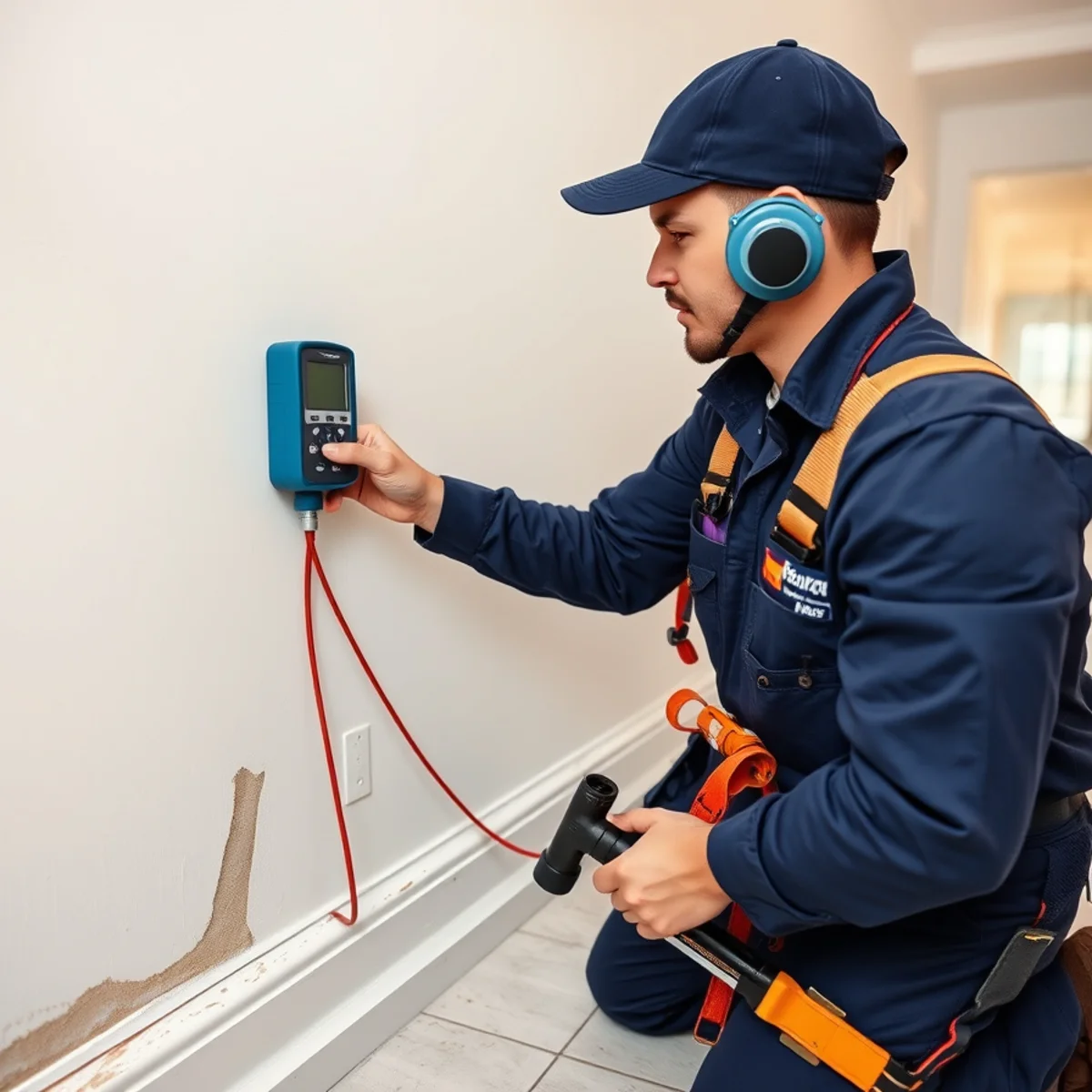
Acoustic listening, pressure testing, moisture mapping, and thermal patterns can narrow the zone. The smallest responsible opening is chosen only after those results align with the pipe route.
Can Miami humidity hide or imitate a leak?
Yes. Condensation forms on cold pipes, toilet tanks, ducts, and surfaces when humid air meets a lower temperature. Humidity can also slow drying, making a small leak appear larger or remain visible after repair.
Dry the area, monitor when moisture returns, and compare it with fixture use, air-conditioning cycles, rain, and meter behavior. Moisture source diagnosis often requires both plumbing and building context.
Practical next steps
Record the symptom before changing the system, protect people and finishes from active water or sewage, and choose the diagnostic step that can distinguish a maintenance issue from damaged equipment or piping.
- Record meter position and visible conditions before changing anything.
- Check toilets, irrigation, appliances, and heater connections.
- Note whether moisture follows rain, AC operation, hot-water use, or drain use.
- Keep invoices and photos if seeking a utility leak review.
How property type changes the decision
A stain in a house may be near a slab, wall branch, roof, appliance, or drain. In a condo, water can travel from another unit or common riser. In a business, refrigeration, HVAC condensate, roof drains, and process equipment can imitate plumbing leaks. Isolation evidence matters more than the nearest visible mark.
Before calling, make a short timeline: when the symptom started, what changed immediately before it, which fixtures or equipment react together, whether a shutoff changes it, and what prior service found. Photograph labels, connections, stains, cleanouts, or error codes without entering an unsafe area. That record helps the plumber select the first test and keeps a quote tied to the actual property.
Relevant Miami plumbing services
The following service guides explain how the diagnosis, equipment, scope, and pricing factors connect to this topic.
For additional local context, see plumbing service in Kendall and plumbing service in Miami Gardens.
Bottom line
Hidden leak diagnosis is a process of elimination. BH Plumbing & Drain Service uses the meter, pressure, moisture, sound, temperature, and plumbing layout to reduce unnecessary opening. The result should be a repair plan tied to evidence, not a guess based on the nearest stain.