What this service covers
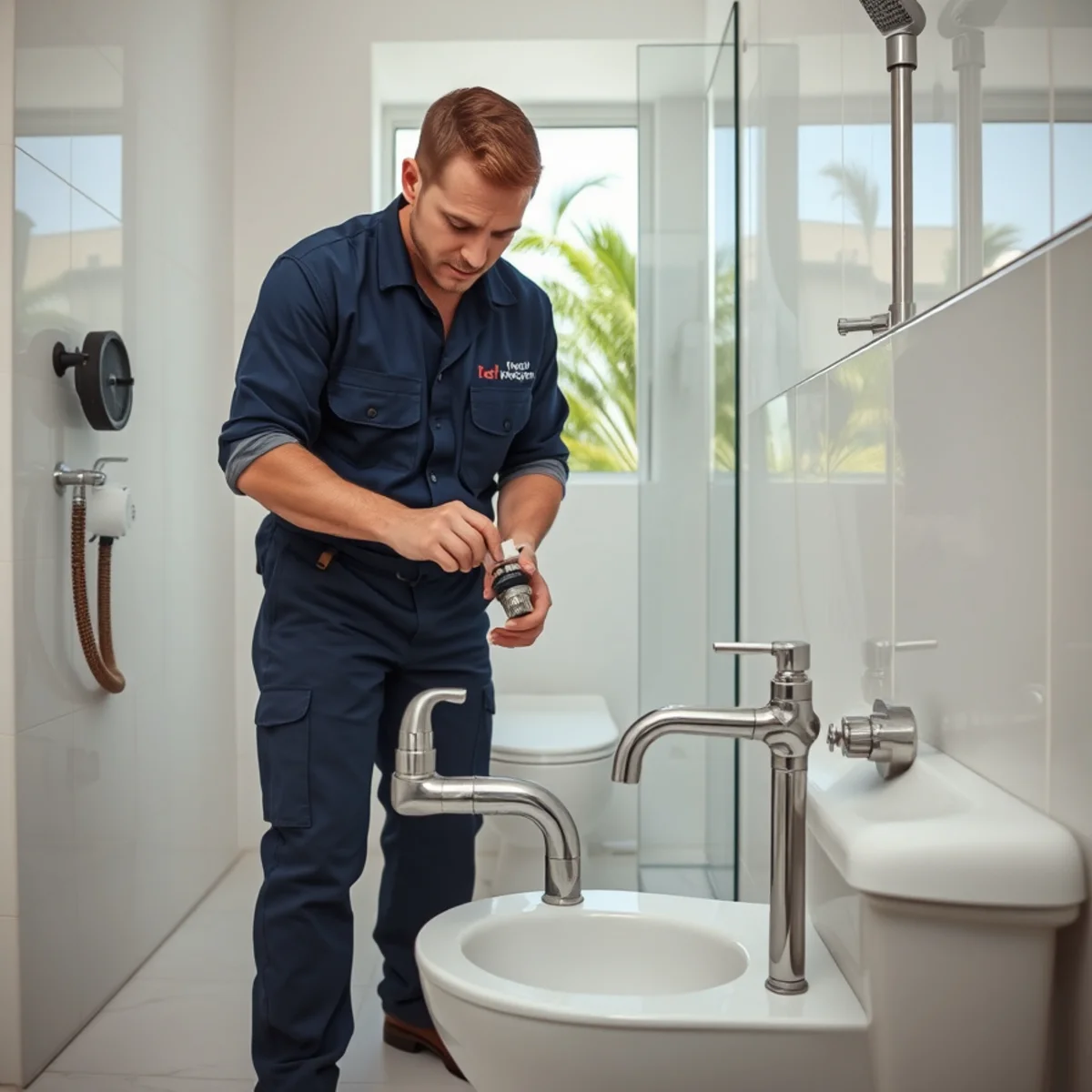
Fix the fixture and check the connections around it.
Miami hard-water scale and humidity can shorten the life of cartridges, aerators, rubber seals, and metal connections. Condensation can also mimic a toilet leak. We dry and test the fixture, identify the actual source, and check whether older stops or supplies should be included before they are disturbed.
Signs it is time to request fixture & disposal repair
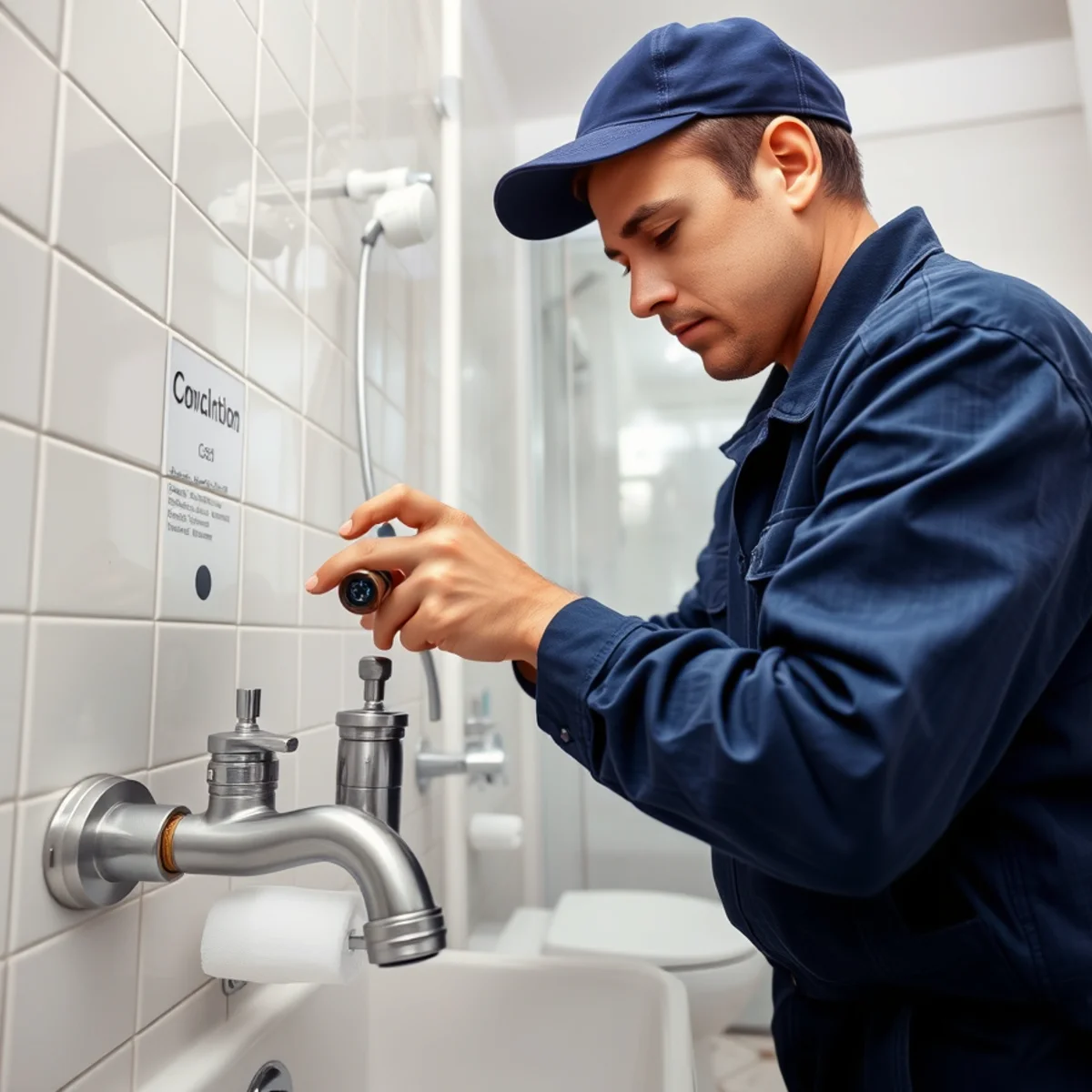
The pattern, timing, and number of affected fixtures often tell more than the loudest symptom. These signs are reasons to schedule diagnosis, not proof that the most expensive repair is necessary.
- A toilet runs, rocks, leaks, or clogs repeatedly
- A faucet drips, binds, or has low flow
- A shower valve will not hold temperature
- Water appears beneath a sink or at the toilet base
- A disposal hums, leaks, trips, or will not start
How BH Plumbing & Drain Service approaches the work
Each appointment moves from protection and diagnosis to an approved scope, completed work, and verification. The exact equipment and tests change with the system, but the decision path remains clear.
Listen and protect the work area
We start with the symptoms you have noticed, protect nearby floors and finishes, and identify any immediate shutoff or containment step.
Test the fixture, shutoffs, seals, pressure, and drain
The technician checks the accessible system, tests the likely causes, and explains what the evidence shows before recommending work.
Repair the component or install the approved fixture
After you approve the written scope, the repair or installation is completed with attention to clean connections, safe operation, and the surrounding property.
Verify and explain
We operate the system, check for leaks or restored flow, clean the work area, and explain practical steps that may help prevent a repeat problem.
Is it worth repairing a faucet or replacing it?
Repair makes sense when the body and finish are sound and a compatible cartridge, seat, seal, or aerator is available. Replacement may be better when corrosion, damage, obsolete parts, or repeated leaks make repair unreliable.
The quote should account for the shutoff valves and connections below or behind the fixture. An attractive new faucet is only as dependable as the supplies and mounting beneath it.
Why does my toilet keep running?
A worn flapper, incorrect chain, high float, faulty fill valve, mineral buildup, or damaged flush-valve seat can let water pass from the tank into the bowl. A simple dye test can confirm an internal leak.
A toilet that rocks or leaks at the base has a different problem involving the seal, flange, floor, or condensation. The source should be confirmed before replacing a wax ring.
Can a humming garbage disposal be repaired?
Often. Humming usually means the motor has power but the grinding mechanism is jammed. Power must be disconnected before inspection; a burned motor, cracked housing, severe corrosion, or persistent leak may require replacement.
The trap, flange, dishwasher hose, switch, and drain connection should be checked so a leak is not incorrectly blamed on the disposal body.
How do you separate a fixture failure from the plumbing around it?
The first test is whether the symptom begins inside the fixture, at its water connection, at its drain connection, or elsewhere in the system. Drying the area, isolating one fixture, observing when water appears, comparing nearby fixtures, and testing controlled operation prevents a cartridge, wax ring, disposal, or toilet part from being blamed without evidence.
A running toilet can leak silently from tank to bowl through a flapper or flush-valve seat, refill because the fill level reaches the overflow tube, or cycle because of another tank component; a dye test can confirm internal passage without proving which part has failed. Water at the base can instead travel from the tank bolts, supply connector, shutoff, condensation, cracked china, or a failed floor seal. Rocking raises separate questions about closet bolts, flange height or damage, floor stability, and whether resetting the bowl alone will hold. At a faucet, a drip from the spout points toward the cartridge, seat, seal, or faucet body, while cabinet water can come from the mounting shank, supply stop, connector, sprayer hose, tailpiece, pop-up assembly, P-trap, sink rim, or disposal connection. Low flow at one outlet suggests an aerator, cartridge, stop, connector, or local debris restriction; low flow across several fixtures calls for a broader pressure or supply evaluation. A shower that changes temperature may involve a cartridge, pressure-balancing or thermostatic element, high-limit setting, reversed or restricted supply, hot/cold crossover, water-heater delivery, or pressure changes elsewhere. A disposal that hums may be jammed, but a silent unit can involve its overload protector, switch, receptacle, breaker, wiring, or motor. Standing sink water may be a P-trap or branch-drain blockage even when the disposal operates. Each result should define whether the repair belongs to the fixture, water supply, drainage, electrical connection, wall valve, or a separate system.
What must be checked before selecting a replacement fixture?
A replacement must fit the existing rough-in, mounting surface, supply, drain, controls, access, and intended use—not just the room’s finish. The planning check should identify hidden conditions likely to change the installation, confirm who supplies each part, and separate a direct fixture changeout from pipe, electrical, cabinet, tile, accessibility, or remodel work.
For a toilet, measure the actual rough-in from the finished wall to the flange center, check bowl and tank clearances, verify the supply-stop position, and inspect the flange and exposed floor after removal. Bowl shape, seat height, flush design, bidet or powered-seat features, and nearby receptacle requirements can change space and trade coordination. A product marketed as “comfort height” does not by itself make a required accessible restroom compliant; clear floor space, centerline, controls, grab bars, lavatory conditions, protected piping, and the governing project scope can also matter. Faucet planning includes the sink or counter hole count and spacing, deck thickness, reach, mounting clearance, backsplash, supply size, stop condition, sprayer or accessory openings, and drain or pop-up compatibility. Shower trim and cartridges are usually valve-family specific: a new handle or trim set cannot be assumed to fit an unidentified concealed valve body, and replacing the body can require wall or tile access plus current pressure-balanced or thermostatic protection for covered work. Disposal selection includes the sink opening and mount, cabinet clearance, unit weight, discharge alignment, P-trap, dishwasher connection, intended residential load, sound priorities, power connection, switch or air-switch arrangement, and any electrical work assigned to the appropriate trade. When efficiency is a goal, independently certified WaterSense toilets, bathroom faucets or aerators, and showerheads can be compared within the categories EPA actually labels; that label should not be stretched to an unrelated kitchen faucet, disposal, or repair part. Photos, model numbers, measurements, and product specifications provided before the appointment help, but final compatibility still depends on the conditions found at the property.
What belongs in a clean fixture installation and final test?
A complete fixture scope protects the work area, uses the smallest safe shutoff, confirms approved parts and compatibility, installs to the listed instructions, tests every disturbed water and drain connection, and documents what remains outside the plumbing work. Toilets, faucets, showers, and disposals need different operational checks before the area is returned to use.
A seized or corroded fixture stop should not be forced simply because the visible repair looks small. In a Brickell or Miami Beach condo, the correct isolation point may be a managed branch or riser valve, with advance notice, access rules, and units below considered before shutdown. Toilet closeout includes a stable bowl, secure but not over-stressed mounting, correct tank operation, repeated flushes, a dry base and supply, and an internal leak check when relevant; a damaged flange or floor must be addressed within an approved scope rather than hidden beneath a new seal. Faucet closeout checks mounting, handle operation, hot/cold orientation, aerator flow, supplies, stops, sprayer, basin drain, tailpiece, and trap under both running and filled-basin conditions. Shower-valve work should verify the installed cartridge or valve, trim and diverter operation, leaks, usable flow, temperature response, and the manufacturer’s high-limit or commissioning steps applicable to that assembly. Before disposal troubleshooting or installation, power must be off and unsafe reach into the grinding chamber avoided. Final testing checks the sink flange and mount, discharge, P-trap, dishwasher hose when connected, overload or control behavior, vibration, drainage, and leakage while the unit operates under its listed procedure. Unincorporated Miami-Dade currently identifies qualifying licensed-contractor faucet, water-closet, sink, shutoff, and residential-disposal repair or replacement as permit-exempt, but municipalities administer their own rules and concealed pipe replacement, fixture rearrangement, shower-body work, electrical changes, structural or finish repair, and broader remodeling can change that answer. The written scope should identify permit responsibility and whether drywall, tile, cabinetry, counters, flooring, electrical work, paint, or water-damage restoration is included.
What affects the estimate?
A responsible estimate reflects the condition, access, materials, equipment, permit path, and restoration—not just the service name. BH Plumbing & Drain Service does not publish a fake range that could exclude the work needed at your property.
- Repairable cartridge, valve, seal, or complete fixture
- Brand, finish, compatibility, and parts availability
- Condition of shutoffs, supplies, flange, trap, and drain
- Access behind tile, cabinets, walls, or a tub
- Disposal horsepower and dishwasher connection
Miami-specific planning for fixture & disposal repair
Miami hard-water scale and humidity can shorten the life of cartridges, aerators, rubber seals, and metal connections. Condensation can also mimic a toilet leak. We dry and test the fixture, identify the actual source, and check whether older stops or supplies should be included before they are disturbed.
Properties inside Miami-Dade’s 34 municipalities may use a city building department, while unincorporated parcels generally use County permitting. Condos can add management approval, service-elevator rules, vendor documents, unit protection, and shared water or drain shutdowns. Those conditions belong in the scope before work starts.
Technical entities you may hear during diagnosis
These terms describe parts, tools, or conditions relevant to this service. The technician should translate them into visible evidence and a practical decision rather than use jargon as a substitute for explanation.
- toilet flapper
- fill valve
- wax ring
- closet flange
- faucet cartridge
- aerator
- supply stop
- P-trap
- garbage disposal impeller
- reset switch