Can heavy rain cause a sewer backup?
Heavy rain can overwhelm storm systems, raise groundwater, reveal illegal or defective connections, and worsen flow in a damaged sanitary line. A home with roots, a belly, or partial blockage may show backup symptoms sooner during a storm.
Sanitary and storm systems serve different purposes, but water finds weak paths. Clear exterior drains, stop using fixtures if sewage appears, and do not assume a backup is safe rainwater. Repeated storm-related backups need camera and drainage evaluation.
Should I shut off water before evacuating?
Many owners choose to close the main water supply when leaving for an extended storm evacuation, provided the valve is accessible, functional, and safe to operate. Buildings, fire systems, irrigation, and certain equipment may require a different plan.
Test the valve well before a storm, label it, and make sure household members know its location. Condo residents should follow management instructions because the riser or building supply may not be controlled inside the unit.
How should I prepare a water heater?
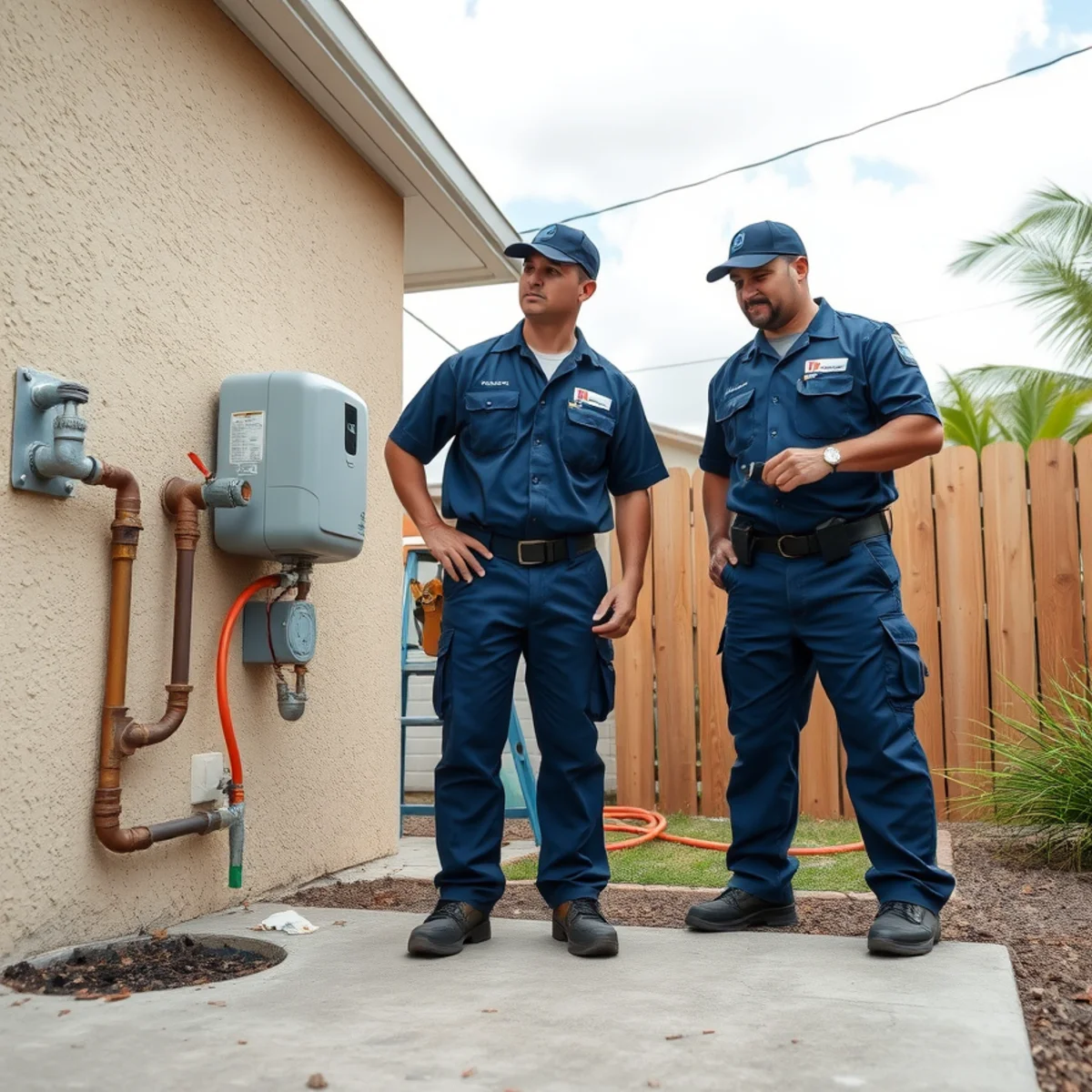
Keep the area clear, confirm the pan and drain path, inspect visible corrosion or leaks, protect outdoor equipment as the manufacturer allows, and know the correct shutdown procedure for its fuel type. Do not improvise straps or covers that block ventilation.
After flooding, do not energize a wet gas or electric unit. A qualified professional should evaluate equipment, controls, insulation, venting, and connections before restart.
What should I inspect after a hurricane?
Look for changed meter movement, low pressure, sewer odor, slow drains, wet walls or floors, displaced exterior piping, contaminated water, and damage around heaters or pumps. Photograph conditions before cleanup when it is safe.
Avoid standing water near electricity and keep away from sewage. Some problems emerge days later as soil drains or wet materials reveal moisture. A post-storm check should separate plumbing leaks from roof, window, groundwater, and condensation sources.
Practical next steps
Record the symptom before changing the system, protect people and finishes from active water or sewage, and choose the diagnostic step that can distinguish a maintenance issue from damaged equipment or piping.
- Locate, label, and test the main shutoff before June.
- Clear yard, balcony, roof, and floor drains appropriate to the property.
- Store utility and plumber contacts offline.
- Photograph equipment and visible connections for post-storm comparison.
How property type changes the decision
Storm preparation should match the property. Detached homes need known shutoffs and clear exterior drainage; condos depend on management procedures, shared pumps, risers, and building access; businesses need closure contacts, critical equipment, and a documented restart plan. Never improvise utility work while winds, flooding, or electrical hazards are present.
Before calling, make a short timeline: when the symptom started, what changed immediately before it, which fixtures or equipment react together, whether a shutoff changes it, and what prior service found. Photograph labels, connections, stains, cleanouts, or error codes without entering an unsafe area. That record helps the plumber select the first test and keeps a quote tied to the actual property.
Relevant Miami plumbing services
The following service guides explain how the diagnosis, equipment, scope, and pricing factors connect to this topic.
For additional local context, see plumbing service in Miami Beach and plumbing service in Key Biscayne.
Bottom line
The useful hurricane checklist is specific to your property: shutoff location, drainage, equipment, condo rules, and emergency contacts. BH Plumbing & Drain Service can evaluate known plumbing weaknesses before storm conditions turn a manageable maintenance issue into urgent damage.