Where is the main water shutoff?
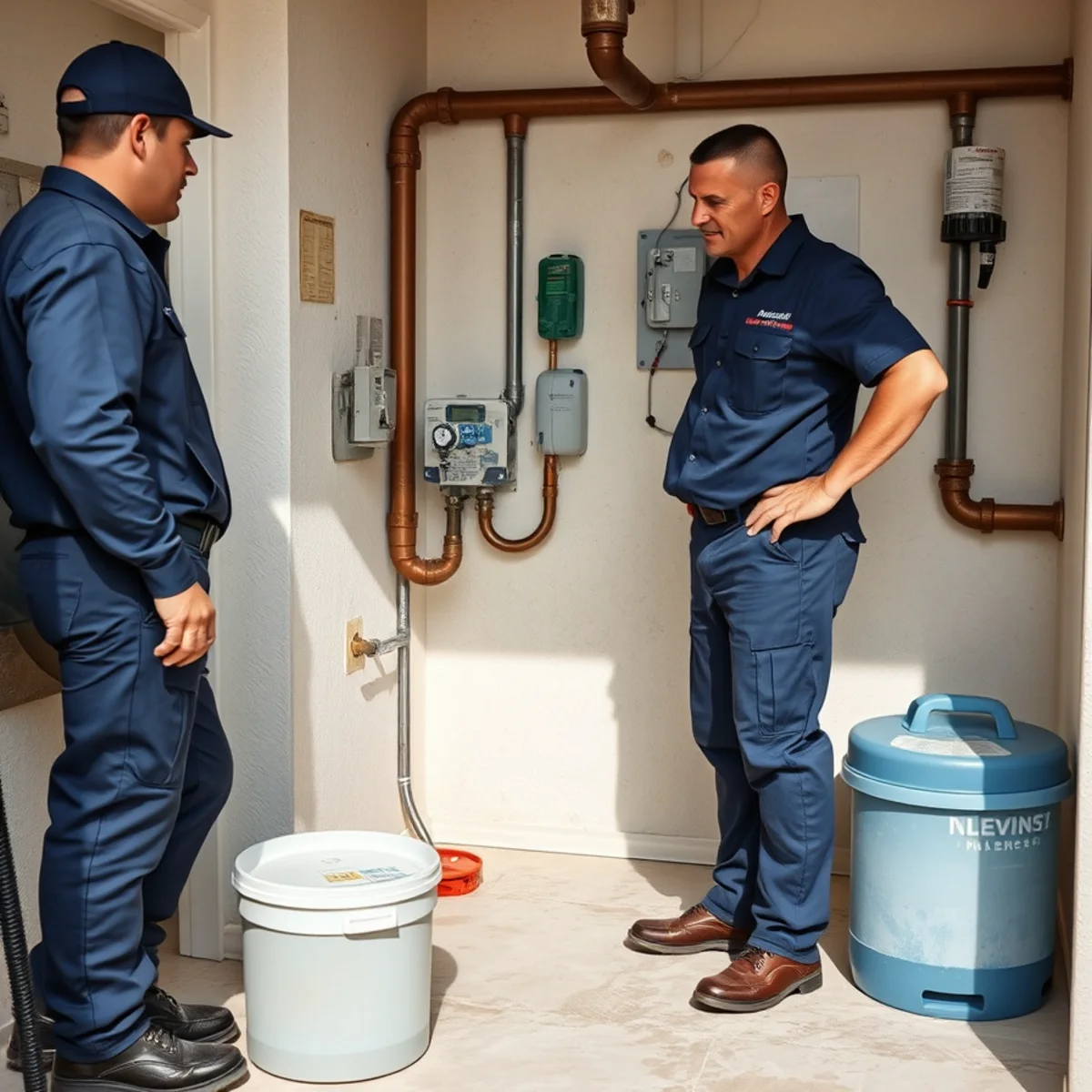
The main shutoff is commonly near the meter, where the service enters the building, or in a utility area, but locations vary. Condos may have unit stops while management controls the riser or building valve.
Find and label the valve before an emergency. Do not force a corroded or stuck valve because it can break. If one fixture is leaking, use its local stop first so the rest of the property keeps water.
What should I do for an overflowing toilet?
Stop the flush cycle by closing the supply stop or holding the tank flapper down if safe, avoid further flushing, and keep people away from contaminated water. A plunger is appropriate only when the bowl is not dangerously full.
If other drains react or the lowest fixture backs up, stop water use throughout the property. Repeated overflow may be downstream in the branch or sewer and needs more than a toilet auger.
Is a sewage backup dangerous?
Yes. Sewage can contain harmful microorganisms and contaminate porous materials. Avoid contact, keep children and pets away, stop using affected plumbing, ventilate only when safe, and arrange professional plumbing and cleanup guidance.
Do not use a household vacuum or push sewage into another area. The plumber addresses the blockage or pipe failure; qualified restoration may be needed for removal, disinfection, drying, and material decisions.
What if water is near electricity or I smell gas?
Do not enter standing water near electrical equipment and do not operate switches. For gas odor, leave, avoid sparks or flames, and call the gas utility or emergency services from a safe location.
Turning off a breaker or valve is not safe if reaching it requires entering a hazard. Wait for trained responders. Tell the plumbing dispatcher about utilities and contamination before arrival.
Practical next steps
Record the symptom before changing the system, protect people and finishes from active water or sewage, and choose the diagnostic step that can distinguish a maintenance issue from damaged equipment or piping.
- Keep the main and fixture shutoffs visible and labeled.
- Store the plumber, utility, building management, and insurance contacts offline.
- Move valuables only when the area is safe.
- Photograph damage and record the time, symptoms, and shutoff actions.
How property type changes the decision
Urgency is defined by safety, sanitation, active damage, and loss of essential service. A detached home may have an accessible main valve; a condo may depend on management for a riser; a business may need customer-area isolation and a reopening test. State the active condition before describing cosmetic damage.
Before calling, make a short timeline: when the symptom started, what changed immediately before it, which fixtures or equipment react together, whether a shutoff changes it, and what prior service found. Photograph labels, connections, stains, cleanouts, or error codes without entering an unsafe area. That record helps the plumber select the first test and keeps a quote tied to the actual property.
Relevant Miami plumbing services
The following service guides explain how the diagnosis, equipment, scope, and pricing factors connect to this topic.
For additional local context, see plumbing service in Miami and plumbing service in Hialeah.
Bottom line
A calm shutoff and a clear safety boundary can prevent a plumbing failure from becoming a larger emergency. BH Plumbing & Drain Service accepts emergency calls and will confirm availability, help identify safe first steps, and plan the repair from the symptoms you report.