
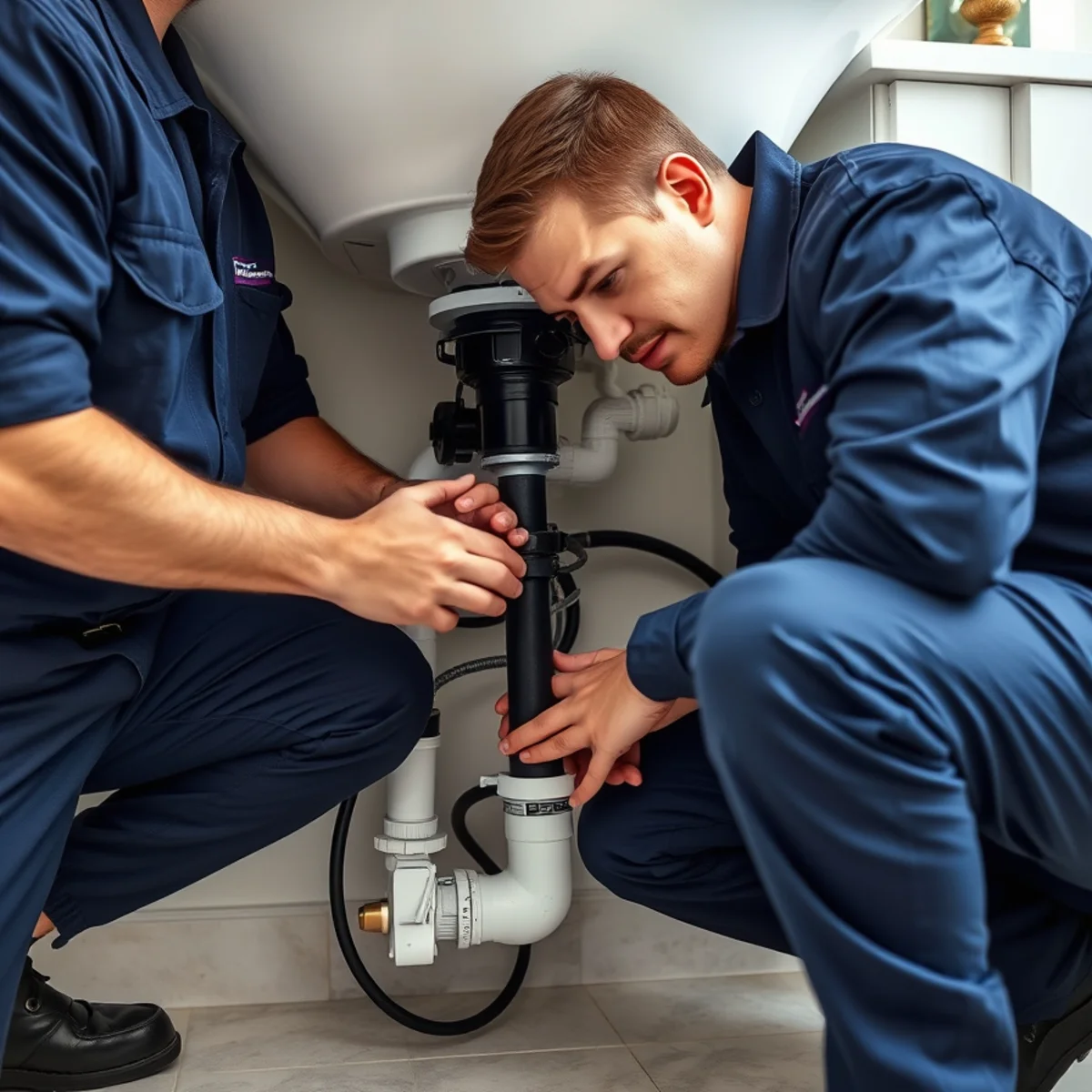
Why does my disposal hum but not spin?
The motor is receiving power, but the grinding mechanism is jammed. Continued humming can overheat the motor, so switch it off immediately and disconnect power before any inspection.
A proper wrench or safe clearing procedure may release the jam; never place a hand inside. After clearing, rotate the mechanism, remove debris with tools, restore power, reset if appropriate, and test with water. A burned motor may require replacement.
Why is the disposal leaking?
Common sources are the sink flange, dishwasher connection, discharge tube, mounting assembly, trap, or a corroded/cracked disposal body. Dry each connection and run controlled tests to find the highest point that becomes wet.
Water travels along surfaces, so the puddle may not be below the source. A loose hose clamp or gasket can be repaired; a leaking sealed housing usually means replacement. Check surrounding cabinet damage and the drain flow as part of the job.
Why is the disposal completely silent?
The unit may lack power, have a tripped overload reset or breaker, a failed switch or receptacle, loose wiring, or a failed motor. Electrical checks should stay within safe, qualified scope.
Do not repeatedly reset a unit that trips, smells hot, or leaks. Water and electricity create a combined hazard. A plumber can evaluate the disposal and connections and coordinate electrical service if the fault is outside the plumbing appliance.
When should a disposal be replaced?
Replacement is usually appropriate for a cracked or corroded housing, burned motor, repeated jams, severe noise, obsolete parts, or repair cost close to a suitable new unit. Connection condition matters as much as horsepower.
The sink opening, mounting, branch circuit, switch, dishwasher hose, discharge height, trap, cabinet space, and local permit exemption rules should be reviewed. The new unit should drain without strain or improvised fittings.
Practical next steps
Record the symptom before changing the system, protect people and finishes from active water or sewage, and choose the diagnostic step that can distinguish a maintenance issue from damaged equipment or piping.
- Switch off and disconnect power before inspection.
- Never reach into the grinding chamber.
- Keep grease, bones, shells, fibers, and non-food items out.
- Run appropriate water and feed small amounts rather than packing the unit.
How property type changes the decision
Fixture work changes when the visible product is only part of the problem. Record whether the symptom is hot, cold, supply, drainage, movement, odor, or operation. In condos and older homes, concealed stops, branches, flanges, valves, and prior remodel transitions can turn a simple replacement into a broader access decision.
Before calling, make a short timeline: when the symptom started, what changed immediately before it, which fixtures or equipment react together, whether a shutoff changes it, and what prior service found. Photograph labels, connections, stains, cleanouts, or error codes without entering an unsafe area. That record helps the plumber select the first test and keeps a quote tied to the actual property.
Relevant Miami plumbing services
The following service guides explain how the diagnosis, equipment, scope, and pricing factors connect to this topic.
For additional local context, see plumbing service in West Miami and plumbing service in Sweetwater.
Bottom line
Do not turn a small jam into a burned motor or an electrical hazard. BH Plumbing & Drain Service can identify whether the disposal, connection, trap, drain, or power supply is responsible and provide a repair or replacement scope tied to the actual failure.