Is a sewer camera inspection worth it?
It is worth considering when symptoms recur, several fixtures are involved, older pipe condition is unknown, repair proposals conflict, or a property purchase needs drainage evidence. A camera can prevent unnecessary excavation and repeated blind cleaning.
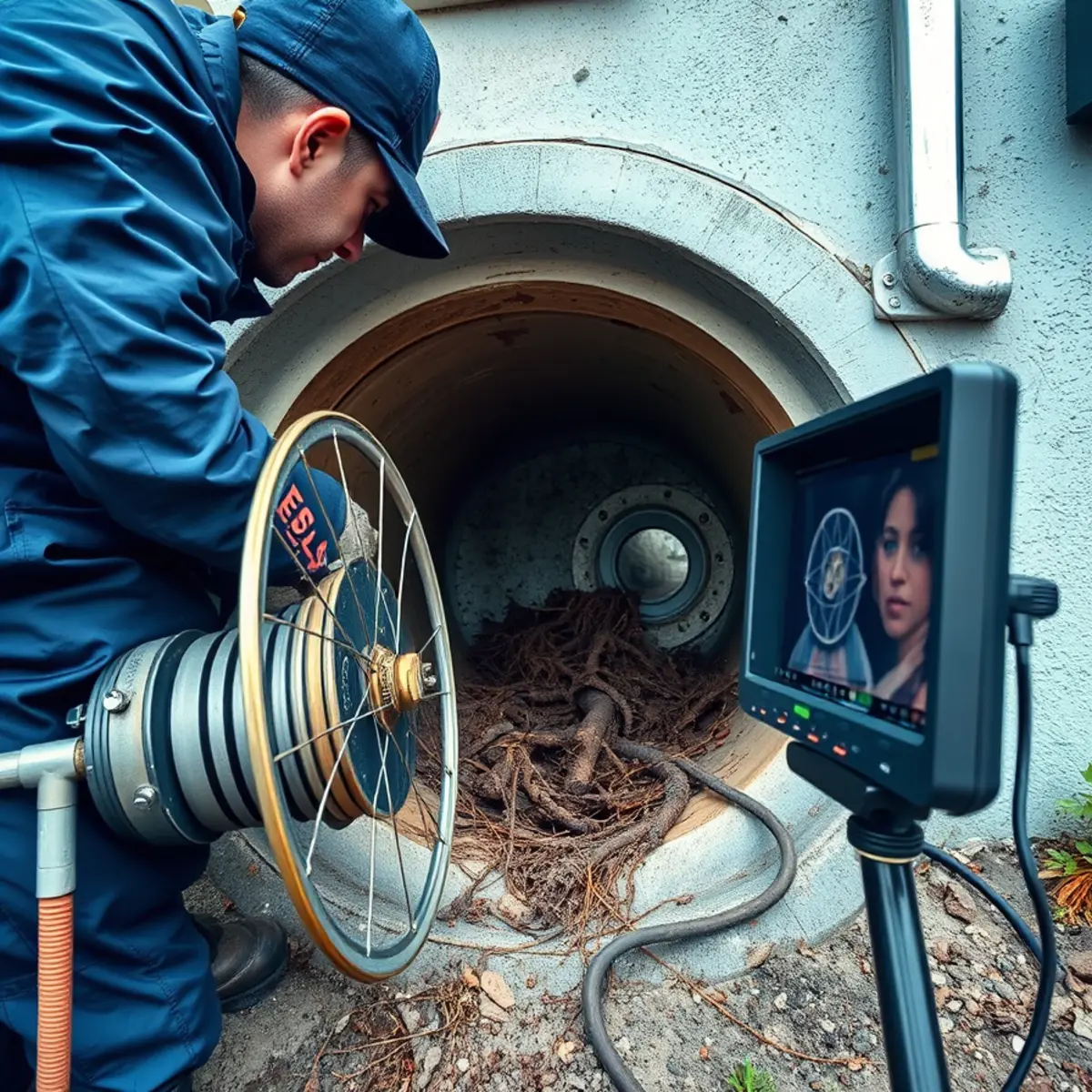
The inspection should have an accessible entry point, a defined route, and a clear deliverable. Ask what portion was viewed, where the camera stopped, and whether the technician can locate a finding from the surface.
What can a sewer camera detect?
A camera can show roots, grease, scale, cracks, offsets, separated joints, foreign objects, standing water, changes in material, and some evidence of collapse. It cannot see through soil or pipe walls and does not measure pressure.
Distance counters help estimate location but should be paired with a sonde when surface accuracy matters. Water, turns, and access can limit footage. Good reporting describes limitations instead of turning every image into a diagnosis.
Should I scope the sewer before buying a Miami home?
A scope is especially useful for older homes with cast iron, mature trees, slab foundations, additions, or incomplete plumbing records. It can reveal a costly drainage condition outside the scope of a general home inspection.
Coordinate the inspection period and obtain permission for cleanout access. If the line is blocked, cleaning may be necessary before useful footage. Save the video and written interpretation with property records.
Can a camera find the exact leak?
It may show a break or opening in a drain line and a transmitter can help mark location, but a camera cannot confirm every drain leak and cannot inspect pressurized water lines. Other tests may be required.
For ceiling stains, slab moisture, or high water use, begin by distinguishing supply, drain, appliance, roof, condensation, and neighboring-unit sources. The correct diagnostic tool follows that distinction.
Practical next steps
Record the symptom before changing the system, protect people and finishes from active water or sewage, and choose the diagnostic step that can distinguish a maintenance issue from damaged equipment or piping.
- Write down which fixtures react together and when.
- Ask where the camera will enter and what route it can view.
- Request distance and location notes for material findings.
- Use post-cleaning or post-repair footage to verify results.
How property type changes the decision
In a detached home, note the lowest affected fixture and the route to an exterior cleanout. In a condo, ask whether neighbors share symptoms and whether the branch connects to a managed stack. For a restaurant or other business, record grease use, peak periods, floor-drain behavior, and the last maintenance result.
Before calling, make a short timeline: when the symptom started, what changed immediately before it, which fixtures or equipment react together, whether a shutoff changes it, and what prior service found. Photograph labels, connections, stains, cleanouts, or error codes without entering an unsafe area. That record helps the plumber select the first test and keeps a quote tied to the actual property.
Relevant Miami plumbing services
The following service guides explain how the diagnosis, equipment, scope, and pricing factors connect to this topic.
For additional local context, see plumbing service in Coral Gables and plumbing service in Westchester.
Bottom line
A camera inspection is not just a video; it is a tool for a specific decision. BH Plumbing & Drain Service uses sewer-camera findings with symptoms, access, distance, and pipe history to help Miami owners choose cleaning, monitoring, spot repair, or replacement with better evidence.