Service and place, considered together
Why drain cleaning in Miami Beach needs a local plan
Miami Beach properties around South Beach, the Art Deco Historic District, Mid-Beach, North Beach, and Collins Avenue include historic hotels, Art Deco apartments, mid-century buildings, luxury towers, and waterfront homes. For drain cleaning, that building mix changes access, ownership boundaries, pipe routes, shutdowns, and the evidence needed before a lasting recommendation.
Miami drain problems often combine everyday buildup with older cast-iron interiors, long runs beneath slab-on-grade homes, tropical tree roots, or shared condo stacks. A one-time kitchen clog may need a cable machine; repeated whole-home symptoms justify a camera inspection before more aggressive cleaning.
In this part of Miami-Dade, salt air, cast-iron stacks, vertical leak migration, tight chases, scale, and building-wide drain problems are common planning factors. That does not mean every property has an age-related or climate-related failure. It means the technician should test the likely causes in a deliberate order and show why a particular cleaning, repair, or replacement belongs in the scope.
Problems that justify a closer look
One symptom is not a diagnosis. The most useful clues are which fixtures or equipment are affected, whether the problem is constant or intermittent, how quickly it returned after prior work, and whether neighboring units or exterior areas react at the same time.
- Water drains slowly in one or several fixtures
- Toilets bubble when a sink or shower drains
- Sewer odors return after basic cleaning
- A clog comes back days or weeks after snaking
- Water backs up at a lower floor drain
Photographs, equipment labels, previous invoices, camera footage, leak history, and building notices can shorten the appointment. If active water is near electricity, sewage is entering an occupied area, or gas odor is present, move to safety first and explain the condition when calling.
Our Miami Beach service process
The work moves from protection and diagnosis through an approved scope, completion, and verification. The tools change with the system; the responsibility to explain findings before expanding work does not.
Listen and protect the work area
We start with the symptoms you have noticed, protect nearby floors and finishes, and identify any immediate shutoff or containment step.
Find the affected branch or main line
The technician checks the accessible system, tests the likely causes, and explains what the evidence shows before recommending work.
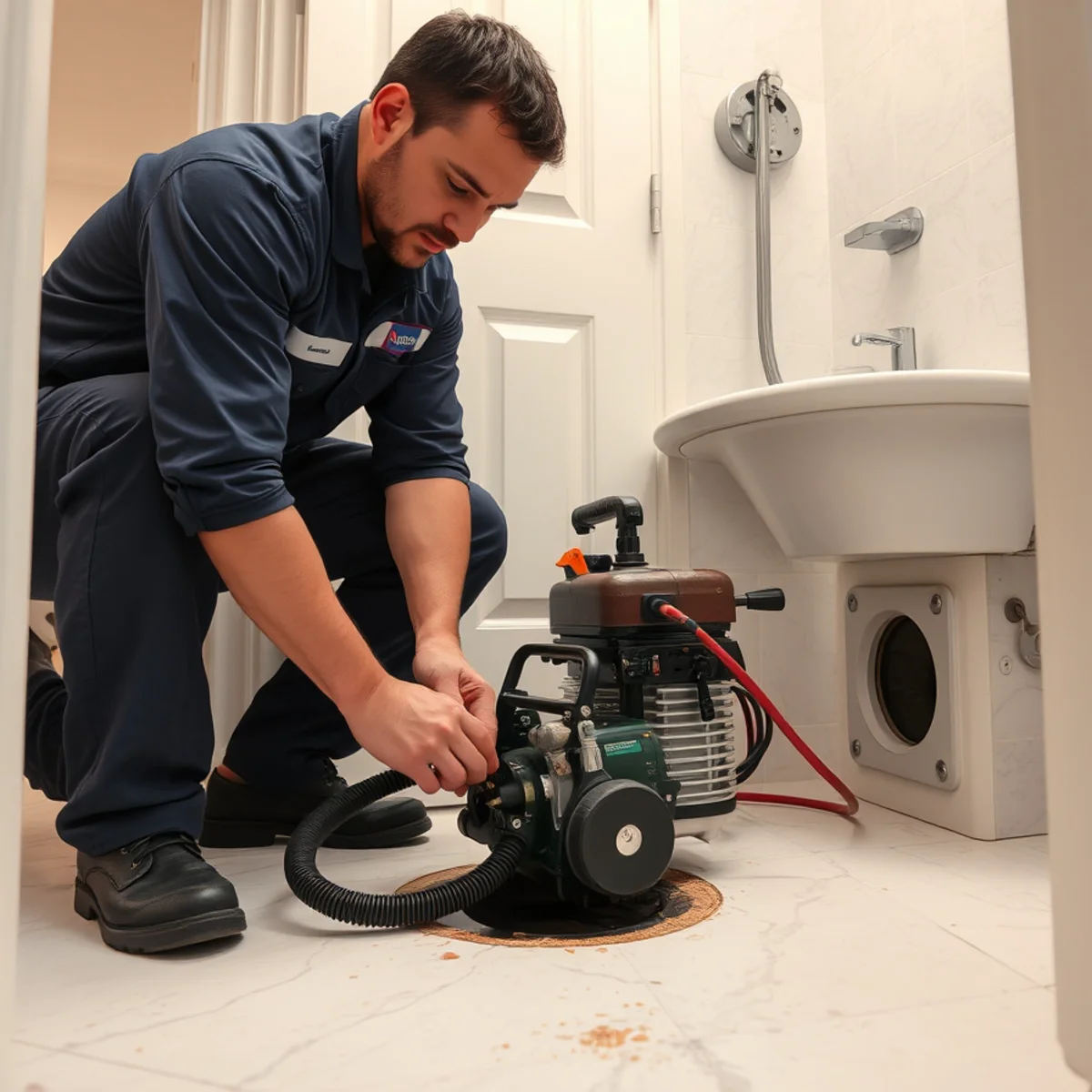
Clear the obstruction with the appropriate tool
After you approve the written scope, the repair or installation is completed with attention to clean connections, safe operation, and the surrounding property.
Verify and explain
We operate the system, check for leaks or restored flow, clean the work area, and explain practical steps that may help prevent a repeat problem.
Building access and project coordination
association approval, service elevators, riser shutdowns, parking, and municipal permits should be confirmed before disruptive work. Those practical conditions can control when the system is isolated, where equipment can travel, how finishes are protected, and which party authorizes work.
A detached home may require tracing beneath a slab or through a landscaped yard. A condo may need management documents, a service elevator, a riser shutdown, neighbor access, and clear unit-versus-association responsibility. A business may require after-hours service, containment, customer-area protection, and a documented reopening test.
Permit requirements are determined by jurisdiction and scope. Before regulated work starts, the proposal should state who pulls the permit, who meets the inspector, what testing is included, and which restoration remains outside the plumbing scope.
What affects the estimate?
There is no honest one-price answer without seeing the system. For this service, the estimate responds to the evidence, safe access, materials, equipment, code path, restoration, and whether the problem is isolated or extends into shared or concealed piping.
- Which fixture or line is blocked
- Whether a usable cleanout is available
- The distance and depth of the obstruction
- Whether camera inspection or hydro jetting is needed
- Condition of older cast-iron piping and safe equipment access
Ask each contractor to define the same boundaries: diagnosis, labor, material, equipment, permits, inspection, cleanup, debris removal, finish restoration, and post-work verification. That makes proposals comparable and reduces change-order surprises.
Is the Miami Beach clog inside one condo unit or a shared building system?
The affected-fixture pattern identifies the first boundary to test. One slow sink may stop at its trap or unit branch; fixtures in several units or floors can point to a shared vertical stack, base-of-stack line, horizontal building drain, or private lateral. Responsibility should follow the actual blockage location and condominium documents—not a blanket owner-or-association assumption.
Start by recording which fixture reacted first, whether a toilet bubbles when another fixture drains, whether water rises in a tub or floor drain, and whether units above, below, or across the corridor report the same symptom. In a South Beach Art Deco apartment, a Mid-Beach tower, or a North Beach mid-rise, the route from one fixture can join shared piping before reaching a building drain and the City connection. Management may need to review the declaration and plumbing drawings, notify affected residents, authorize access to another unit or common area, and decide who can approve a stack shutdown, testing, cleanup, and repair. Florida condominium law ties association maintenance to the condominium property and declaration; it does not make every drain serving a unit the owner’s responsibility or every shared-looking symptom the association’s. A public sanitary manhole or street-wide symptom belongs on the City service-request path, while a plumber evaluates accessible fixture branches, stacks, building drains, cleanouts, and private laterals within the authorized scope.
How should older cast iron and high-rise access change the cleaning method?
Select the access and method from pipe condition, diameter, direction, blockage material, containment, and the evidence needed—not from building age alone. A cable or closet auger may clear a localized obstruction; controlled hydro jetting may clean suitable pipe with distributed grease or scale; and a camera is most useful when an open path can support a decision.
Historic hotels, Art Deco apartments, MiMo buildings, luxury towers, and waterfront houses in ZIP codes 33139, 33140, and 33141 do not share one drainage layout or material condition. Older cast iron may have internal scale and corrosion, while later PVC repairs can create mixed transitions, offsets, or access changes; coastal location or salt exposure by itself does not prove the interior drain wall is damaged. A usable cleanout, approved fixture opening, stack access, or justified toilet removal can lead to different equipment and containment plans. A camera cannot see through every complete blockage and does not measure unseen wall thickness or inspect a branch it never enters. After a path is open, it may document reachable scale, grease, roots, joints, standing water, an offset, belly, missing wall, or collapse. Jetting should account for visible condition, downstream discharge, hose control, nearby occupied units, and the risk of moving loosened material to another restriction. Cleaning can restore flow through suitable pipe; it cannot replace lost wall, correct slope, reconnect a joint, or settle an ownership boundary.
Does flooding or a king tide mean a Miami Beach sanitary drain is clogged?
No. Miami Beach’s low coastal elevation can produce street or property flooding from heavy rain, high tides, or storm surge, while sanitary wastewater and stormwater remain different systems. Weather can expose a private restriction or shared-building problem, but exterior water, a full catch basin, or pump activity does not diagnose a unit branch, stack, or lateral clog.
The City publishes separate sanitary-sewer and stormwater operations: sanitary gravity lines and manholes carry wastewater, while storm drains, catch basins, outfalls, and pump stations manage rainfall runoff. If sewage is entering an occupied unit or common area, stop unnecessary fixture use, keep people and pets away, avoid wet electrical equipment, and notify building management so other units can reduce discharge when appropriate. Note whether the backup changes when indoor fixtures operate, whether several floors or neighboring properties react, whether a private cleanout holds wastewater, and whether a public manhole is overflowing. Report street flooding and public-system concerns through the City of Miami Beach Public Works service-request path rather than opening a public structure. Private drain cleaning cannot operate a City stormwater pump, clear a public catch basin without authority, stop a storm surge, or repair a public sewer. After conditions are safe, controlled observations can distinguish an interior restriction from a shared building, private lateral, public sanitary, or public stormwater issue.
What should a Miami Beach building coordinate before cleaning and document afterward?
Confirm authorization, access, fixture-use restrictions, containment, and the reopening test before equipment enters the property. A condo may need management approval, a service elevator, parking arrangements, access to another unit, and a scheduled stack shutdown; a hotel or restaurant may need work staged around guests, food service, floor protection, and a short operating window.
The written scope should identify the approved entry point, affected fixtures or units, who can authorize shared-system work, how hallways and finishes will be protected, how wastewater and recovered debris will be contained, and which restoration remains outside the drain-cleaning work. Disclose any chemical drain product already used and do not add or mix another cleaner. Routine cleaning is different from replacing or rerouting pipe, opening a wall or slab, excavating, or working in a public right-of-way. If findings expand the job into regulated repair, current City permit requirements and any applicable condominium approval should be confirmed before the scope changes. Closeout should record the access used, segment believed to be cleaned, method and material encountered, controlled fixture and cross-fixture tests, disturbed-connection leak checks, visible camera limits, and any defect or responsibility not resolved. For restaurants and food facilities, cleaning a branch or building drain does not replace grease-control-device service, permitted hauling, FOG records, or operating-permit duties.
Technical terms in a useful diagnosis
P-trap, cleanout, branch drain, main sewer line, drain auger, and cast-iron scale may appear during this service. Each term should be tied to a measurement, image, component, or repair decision—not used as a substitute for plain language.
- P-trap
- cleanout
- branch drain
- main sewer line
- drain auger
- cable machine
- grease
- hair
- soap residue
- tree roots
- cast-iron scale
Continue with the full service and city guides
Read the complete drain cleaning guide for Miami for deeper process, pricing-factor, and FAQ coverage. The Miami Beach plumbing guide explains additional housing, ZIP, permit, and access context.