How often should restaurant drains be cleaned?
There is no universal interval. Volume, menu, grease-control practices, pipe size and slope, prior backups, interceptor service, and operating hours determine frequency. Start with history and adjust using inspection and service records.
A line that backs up every quarter needs more than a quarterly emergency call. Review kitchen practices, branch layout, grease equipment, jetting results, and defects. Schedule maintenance before peak service and define who confirms reopening.
What is FOG compliance?
FOG refers to fats, oils, and grease controls intended to protect private drains and public sewers. Requirements can involve interceptors, maintenance, manifests, inspections, and operational practices under local utility and environmental rules.
A plumber may service connected drains or equipment, while a licensed grease hauler or other provider handles pumping and disposal. The property should keep roles and records clear.
When is hydro jetting appropriate?
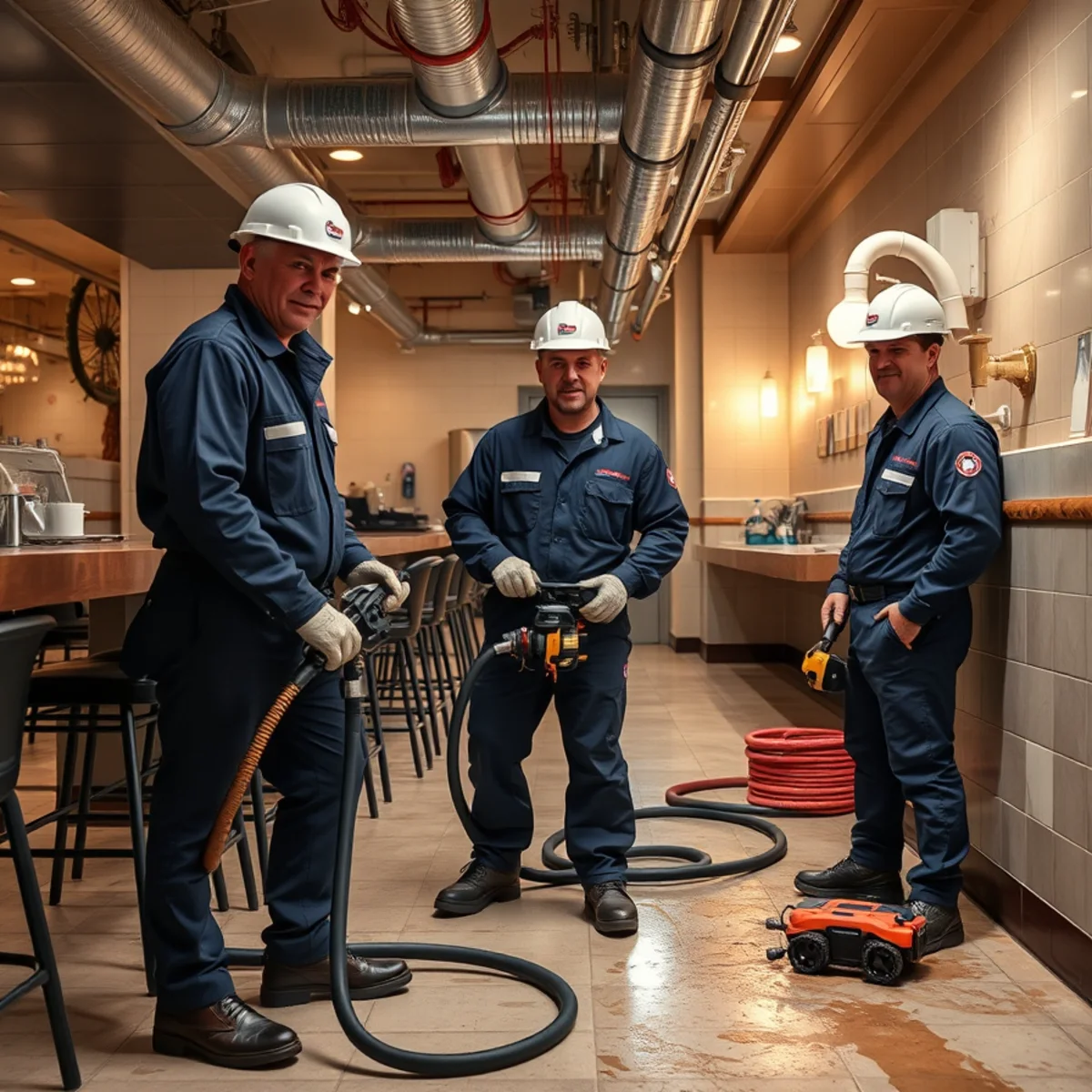
Hydro jetting is appropriate for broad grease, sludge, and residue in suitable pipe with safe access. A camera and condition check help select pressure and identify defects that cleaning cannot correct.
Jetting should include containment and a plan for downstream debris. Fragile cast iron, collapsed lines, bad offsets, and inaccessible cleanouts may require another method or repair.
What belongs in a preventive maintenance plan?
List critical drains, shutoffs, cleanouts, water heaters, pumps, backflow devices, grease equipment, service intervals, vendors, after-hours contacts, known defects, and documentation. Define what triggers camera inspection or repair.
Service logs should record symptoms, tools, distances, material removed, footage, findings, and recommendations. Over time, those records show whether maintenance is reducing risk or merely repeating temporary work.
Practical next steps
Record the symptom before changing the system, protect people and finishes from active water or sewage, and choose the diagnostic step that can distinguish a maintenance issue from damaged equipment or piping.
- Map cleanouts, shutoffs, critical fixtures, and business interruption risks.
- Schedule service before known peak periods.
- Keep grease, jetting, camera, and repair records together.
- Use recurring distance or camera findings to trigger repair review.
How property type changes the decision
A commercial plan should identify critical fixtures, customer and food areas, floor drains, cleanouts, shutoffs, operating peaks, security access, containment, and who authorizes reopening. A service log is valuable only when it records the affected line, method, distance, findings, verification, and recommended escalation.
Before calling, make a short timeline: when the symptom started, what changed immediately before it, which fixtures or equipment react together, whether a shutoff changes it, and what prior service found. Photograph labels, connections, stains, cleanouts, or error codes without entering an unsafe area. That record helps the plumber select the first test and keeps a quote tied to the actual property.
Relevant Miami plumbing services
The following service guides explain how the diagnosis, equipment, scope, and pricing factors connect to this topic.
For additional local context, see plumbing service in Wynwood and plumbing service in Doral.
Bottom line
Commercial drain maintenance works when it is measurable. BH Plumbing & Drain Service helps Miami businesses define the affected lines, select cleaning methods, document results, and recognize when recurring service should become a repair plan. The goal is predictable operation, not a permanent emergency cycle.