Service and place, considered together
Why drain cleaning in Doral needs a local plan
Doral properties around Downtown Doral, CityPlace, Miami International Mall, warehouses, hotels, and golf communities include newer condos, planned communities, hotels, restaurants, offices, and extensive industrial property. For drain cleaning, that building mix changes access, ownership boundaries, pipe routes, shutdowns, and the evidence needed before a lasting recommendation.
Miami drain problems often combine everyday buildup with older cast-iron interiors, long runs beneath slab-on-grade homes, tropical tree roots, or shared condo stacks. A one-time kitchen clog may need a cable machine; repeated whole-home symptoms justify a camera inspection before more aggressive cleaning.
In this part of Miami-Dade, construction defects, high-use commercial drains, water heaters, grease lines, backflow, and hidden leaks differ from older-city issues. That does not mean every property has an age-related or climate-related failure. It means the technician should test the likely causes in a deliberate order and show why a particular cleaning, repair, or replacement belongs in the scope.
Problems that justify a closer look
One symptom is not a diagnosis. The most useful clues are which fixtures or equipment are affected, whether the problem is constant or intermittent, how quickly it returned after prior work, and whether neighboring units or exterior areas react at the same time.
- Water drains slowly in one or several fixtures
- Toilets bubble when a sink or shower drains
- Sewer odors return after basic cleaning
- A clog comes back days or weeks after snaking
- Water backs up at a lower floor drain
Photographs, equipment labels, previous invoices, camera footage, leak history, and building notices can shorten the appointment. If active water is near electricity, sewage is entering an occupied area, or gas odor is present, move to safety first and explain the condition when calling.
Our Doral service process
The work moves from protection and diagnosis through an approved scope, completion, and verification. The tools change with the system; the responsibility to explain findings before expanding work does not.
Listen and protect the work area
We start with the symptoms you have noticed, protect nearby floors and finishes, and identify any immediate shutoff or containment step.
Find the affected branch or main line
The technician checks the accessible system, tests the likely causes, and explains what the evidence shows before recommending work.
Clear the obstruction with the appropriate tool
After you approve the written scope, the repair or installation is completed with attention to clean connections, safe operation, and the surrounding property.
Verify and explain
We operate the system, check for leaks or restored flow, clean the work area, and explain practical steps that may help prevent a repeat problem.
Building access and project coordination
security desks, loading areas, business continuity, municipal permits, and association approval require coordination. Those practical conditions can control when the system is isolated, where equipment can travel, how finishes are protected, and which party authorizes work.
A detached home may require tracing beneath a slab or through a landscaped yard. A condo may need management documents, a service elevator, a riser shutdown, neighbor access, and clear unit-versus-association responsibility. A business may require after-hours service, containment, customer-area protection, and a documented reopening test.
Permit requirements are determined by jurisdiction and scope. Before regulated work starts, the proposal should state who pulls the permit, who meets the inspector, what testing is included, and which restoration remains outside the plumbing scope.
What affects the estimate?
There is no honest one-price answer without seeing the system. For this service, the estimate responds to the evidence, safe access, materials, equipment, code path, restoration, and whether the problem is isolated or extends into shared or concealed piping.
- Which fixture or line is blocked
- Whether a usable cleanout is available
- The distance and depth of the obstruction
- Whether camera inspection or hydro jetting is needed
- Condition of older cast-iron piping and safe equipment access
Ask each contractor to define the same boundaries: diagnosis, labor, material, equipment, permits, inspection, cleanup, debris removal, finish restoration, and post-work verification. That makes proposals comparable and reduces change-order surprises.
Which Doral drain system is the service call actually about?
Classify the drain by use and destination before choosing equipment. A condo sink, office restroom group, restaurant grease branch, warehouse floor drain, private parking-lot inlet, and public storm drain can lead to different sanitary, interceptor, process, association, private-site, or public systems. The observed route, available plans, responsible-party records, and affected fixtures should define the plumbing scope.
In a Downtown Doral condo, one fixture may stop at its trap or unit branch while several units reacting together can point to a shared stack or association building drain. At a CityPlace restaurant, a prep sink, three-compartment sink, mop sink, floor drain, grease-waste branch, and FOG control device have related but different maintenance boundaries. In a warehouse or light-industrial property in ZIP codes 33166 or 33178, a floor or trench drain should not be assumed to carry ordinary sanitary waste: identify its label, trap, connected equipment, interceptor if any, plans or prior records, and where the line discharges. Unknown process liquid or chemical residue needs facility and regulatory direction before a sanitary drain machine is introduced. An office kitchenette or retail restroom may be simpler, yet tenant branches can still join a shared building main before the private lateral. A parking-lot catch basin, French drain, or private storm pipe is not automatically part of interior drain cleaning. Mapping which fixtures react, which is lowest, whether the symptom follows indoor use, and whether other tenants or exterior structures are affected prevents one word—“drain”—from hiding several systems and responsible parties.
What should a Doral facility approve before commercial drain cleaning starts?
Confirm the authorized contact, affected asset, operating impact, access point, equipment route, fixture-use restriction, containment plan, requested deliverable, and change-approval process before work begins. Warehouses, hotels, restaurants, offices, retail centers, managed communities, and condos impose different security, loading, tenant, shutdown, sanitation, and reopening requirements.
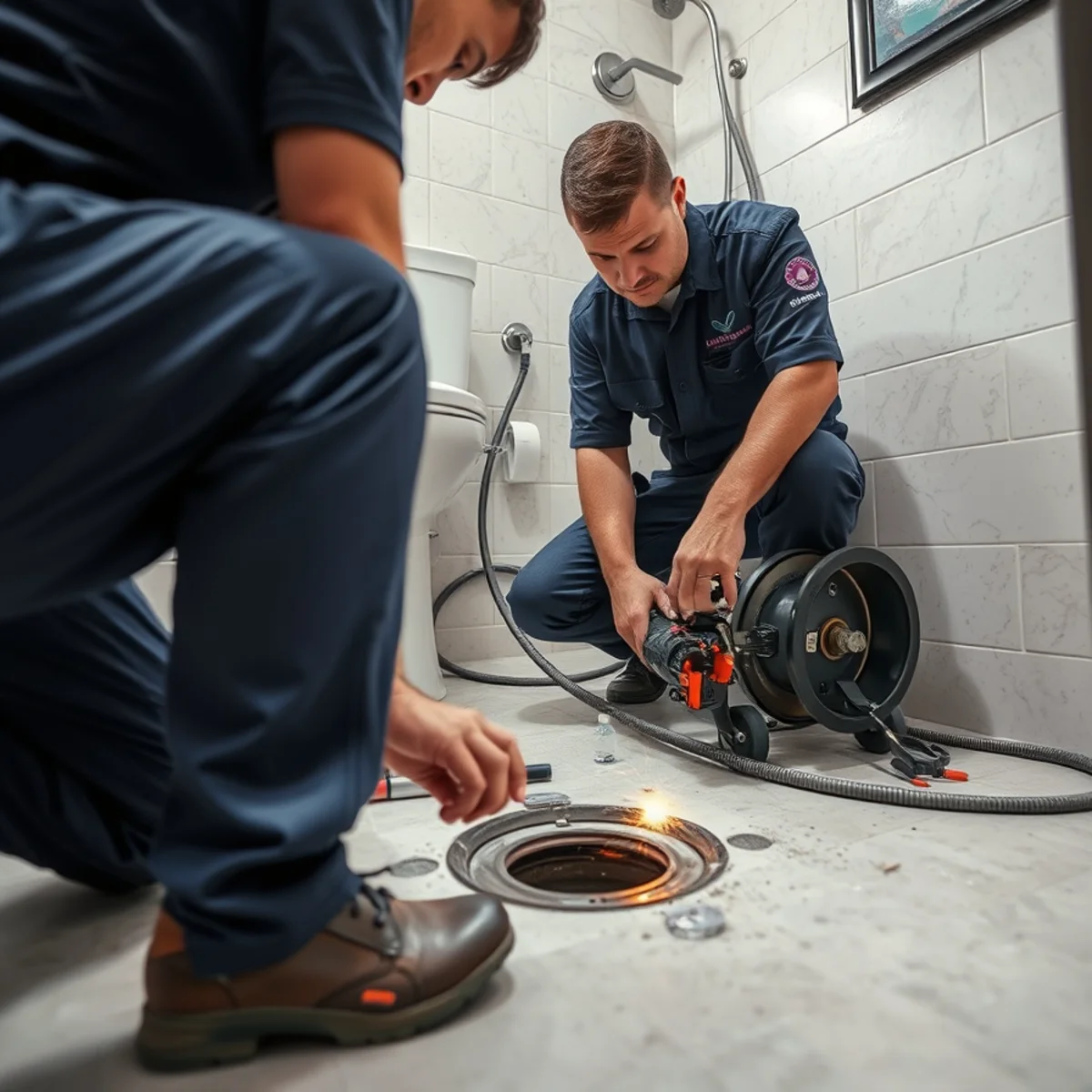
The intake should identify the property manager or facility contact, work-order or purchase-order requirements, vendor or security documents, loading-dock and parking access, door and elevator clearances, stored inventory or customer areas along the route, and whether a tenant or association controls the suspected line. A cable machine, camera reel, jetting hose, water supply, and recovered material need a protected path that does not create a trip, contamination, or product-damage hazard. A shared restroom or kitchen line may require notices and temporary fixture restrictions beyond the suite where water appeared; a hotel or restaurant may need the test staged around occupancy and food operations. Disclose drain openers, degreasers, disinfectants, process products, or unknown liquid already in the line, including label information, amount and timing when available, and do not mix another product. The approved scope should state whether the goal is to open flow, clean a documented segment, obtain camera evidence, locate a defect, or develop a repair recommendation—and who can authorize additional access if the first entry point does not reach the restriction.
How should cleaning method and closeout be matched to a Doral drain?
Choose the method from the classified line, blockage material, pipe diameter and condition, developed run, cleanout direction, downstream destination, safe access, and evidence needed. A cable may open or retrieve a localized obstruction; controlled hydro jetting may clean distributed grease, sludge, scale, or suitable deposits; and a camera becomes useful when an open path can answer a location, condition, maintenance, or repair question.
A camera cannot see through every complete blockage and does not certify branches it never enters, pipe exterior, slope beyond the reachable view, or a regulated waste system outside the approved scope. After flow is opened, footage may show grease, debris, construction material, a displaced transition, roots, an offset, standing water, a belly, corrosion, or missing wall, but newer construction does not prove the line is defect-free and one older component does not prove wholesale failure. Jetting likewise requires a suitable route, containment, discharge path, pipe condition, nozzle and controlled passes; it is not automatically the answer for every commercial floor drain or restaurant backup. Closeout should record the entry point, line classification, segment believed to be cleaned, tool or method, material encountered, controlled fixture or flow test, adjacent or lower drains observed, leaks at disturbed connections, camera limits, and any defect or responsibility left unresolved. A maintenance interval should follow actual recurrence, FOG load, occupancy, operating risk and documented findings rather than a generic quarterly, semiannual, or annual sales schedule.
Where do Doral stormwater, sanitary sewer, FOG, and permit boundaries meet?
Miami-Dade Water and Sewer provides Doral’s public potable-water and sanitary-sewer service, while the City of Doral manages publicly owned stormwater in the public right-of-way. Private roads, industrial lots, parking areas and community storm systems remain with the owner, manager or HOA. Restaurant FOG devices and regulated reconstruction also follow duties beyond ordinary branch cleaning.
Street catch basins, culverts, canals, right-of-way French drains and sanitary fixtures should not be combined into one rain-related diagnosis. If sewage is entering an occupied area, stop unnecessary connected fixture use, avoid wet electrical zones and contamination, and note whether a public sanitary manhole, multiple tenants, the private cleanout, or only exterior stormwater is affected. The City can route public stormwater concerns and provides guidance when a private owner or HOA controls the site drainage; a public sanitary overflow belongs on the Miami-Dade Water and Sewer path. For Doral food-handling facilities, cleaning a grease-waste branch or building drain does not replace the FOG operating permit, approved control device, required evacuation, permitted hauler, manifest or maintenance records. Routine cleaning also differs from installing or replacing a sanitary lateral or main, reconstructing site drainage, changing use, or altering commercial plumbing. If evidence expands the work into those scopes, identify City, County, Public Works, design and inspection responsibilities before proceeding rather than treating a restored drain as permit or compliance approval.
Technical terms in a useful diagnosis
P-trap, cleanout, branch drain, main sewer line, drain auger, and cast-iron scale may appear during this service. Each term should be tied to a measurement, image, component, or repair decision—not used as a substitute for plain language.
- P-trap
- cleanout
- branch drain
- main sewer line
- drain auger
- cable machine
- grease
- hair
- soap residue
- tree roots
- cast-iron scale
Continue with the full service and city guides
Read the complete drain cleaning guide for Miami for deeper process, pricing-factor, and FAQ coverage. The Doral plumbing guide explains additional housing, ZIP, permit, and access context.