When is drain snaking the right choice?
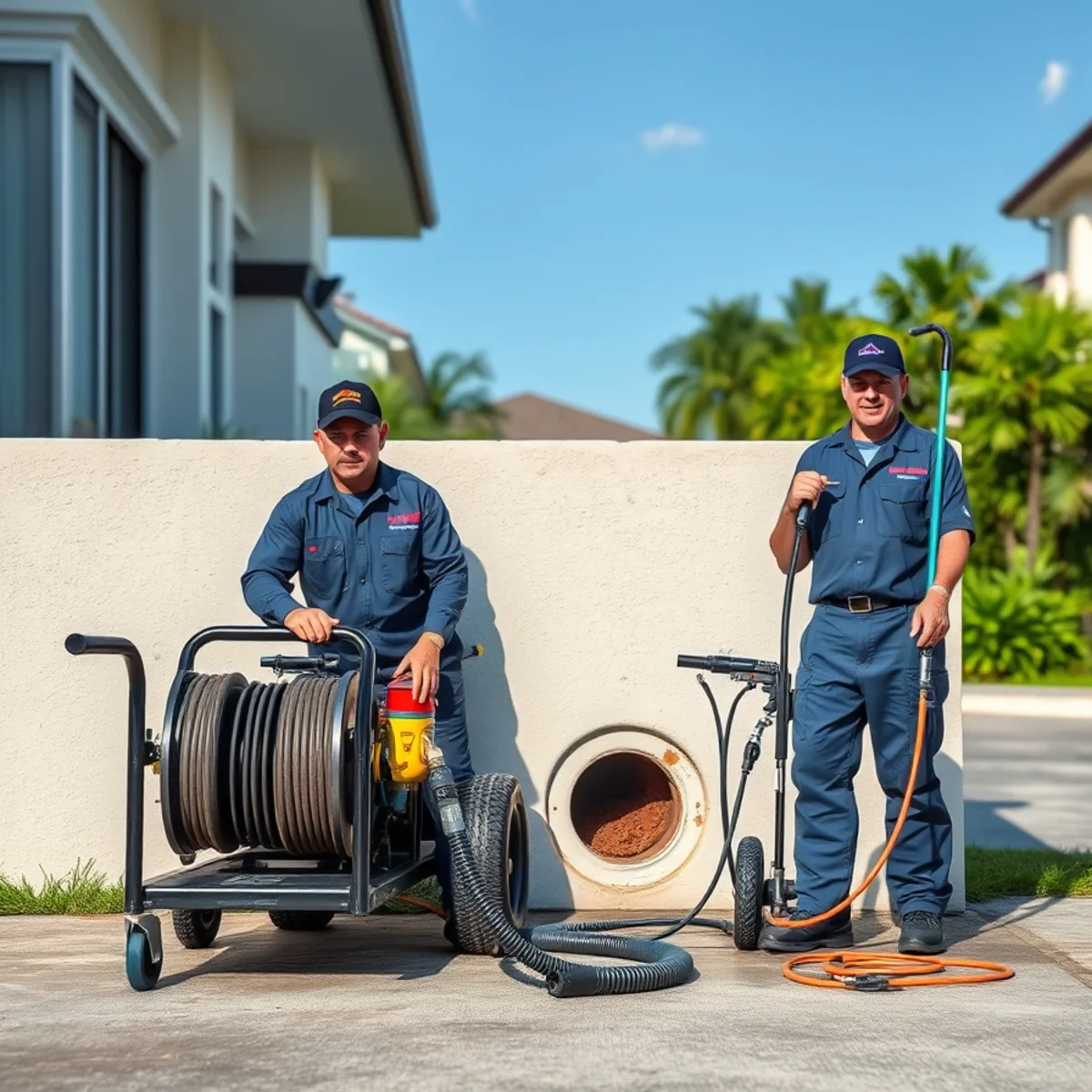
Snaking is often the first choice for a localized sink, tub, shower, or toilet blockage and for retrieving hair, paper, or an object. It can restore flow quickly through a branch without introducing high-pressure water.
Cable heads vary by pipe and obstruction. The technician should protect traps and fixtures, avoid forcing a cable through a fragile route, and recognize when repeated resistance at the same distance suggests a structural condition.
When is hydro jetting the right choice?
Jetting is useful for distributed grease, sludge, soft roots, and residue along the pipe wall, especially in commercial kitchens or lines that clog again after cabling. It requires safe cleanout access and suitable pipe condition.
Pre-cleaning footage may be limited by dirty water, but an initial inspection can still identify material and major defects. Pressure and nozzle should be selected for diameter, debris, and pipe—not set to maximum.
Can hydro jetting damage old pipes?
Aggressive jetting can be inappropriate for badly corroded, separated, collapsed, or fragile pipe. Sound older pipe can often be cleaned, but camera evidence and conservative setup are important before high-pressure work.
If the pipe has missing wall or a major offset, cleaning cannot repair it. The service should stop and a repair scope should be discussed rather than using more pressure to force a result.
Which method lasts longer?
A thorough wall cleaning can last longer when residue is the cause, but no method permanently prevents grease, wipes, roots entering a defect, poor slope, or pipe failure. Longevity depends on use, condition, and maintenance.
Restaurant lines may need a scheduled interval; a residential line may stay clear for years. Post-service camera footage and a service log help establish the right interval instead of relying on a generic promise.
Practical next steps
Record the symptom before changing the system, protect people and finishes from active water or sewage, and choose the diagnostic step that can distinguish a maintenance issue from damaged equipment or piping.
- Choose the method after identifying the affected line and material.
- Inspect fragile or repeatedly blocked piping before aggressive cleaning.
- Change disposal habits that created grease or wipe buildup.
- Repair root-entry defects instead of treating cleaning as a permanent fix.
How property type changes the decision
In a detached home, note the lowest affected fixture and the route to an exterior cleanout. In a condo, ask whether neighbors share symptoms and whether the branch connects to a managed stack. For a restaurant or other business, record grease use, peak periods, floor-drain behavior, and the last maintenance result.
Before calling, make a short timeline: when the symptom started, what changed immediately before it, which fixtures or equipment react together, whether a shutoff changes it, and what prior service found. Photograph labels, connections, stains, cleanouts, or error codes without entering an unsafe area. That record helps the plumber select the first test and keeps a quote tied to the actual property.
Relevant Miami plumbing services
The following service guides explain how the diagnosis, equipment, scope, and pricing factors connect to this topic.
For additional local context, see plumbing service in Doral and plumbing service in Wynwood.
Bottom line
If you need one simple rule, use a cable for a targeted obstruction and consider jetting for broad buildup in a sound line. BH Plumbing & Drain Service checks the pipe, access, and recurrence pattern before recommending either method so cleaning is proportional to the problem.