
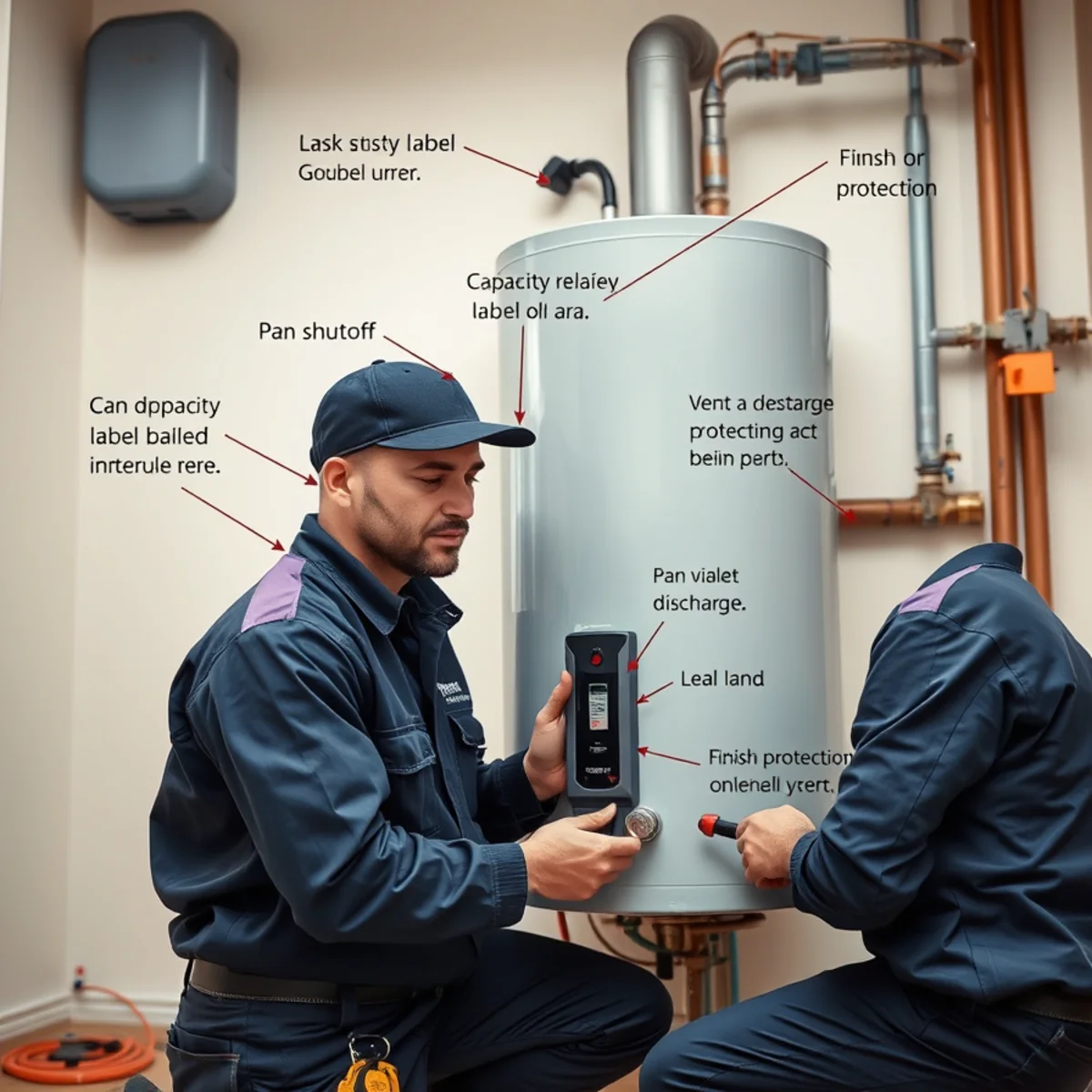
What affects water-heater repair cost?
The failed component, diagnostic time, parts availability, unit age, access, fuel type, and whether leakage damaged surrounding connections drive repair cost. A thermostat or valve is different from an internal tank leak, vent problem, or control-board failure.
Ask whether the diagnostic fee is applied to approved work, which part is failing, and what evidence supports the diagnosis. A repair quote should also say whether a leaking tank, corrosion, or code issue makes the repair temporary or unsuitable.
What affects water-heater replacement cost?
Replacement cost depends on equipment capacity and efficiency plus drain pan, shutoff, expansion, vent, gas, electrical, condensate, access, permit, inspection, removal, and restoration needs. A like-for-like tank can still require corrections around it.
Condo closets may limit size and working space. Gas units may need vent or combustion review. Tankless conversions may require larger gas service or electrical upgrades. Compare each line item and verify whether the proposal includes the work needed to pass inspection.
Is it worth repairing an older heater?
Repair can be sensible when the tank is sound, parts are available, and the failure is isolated. Replacement is often more rational when the tank leaks, corrosion is advanced, repairs repeat, or the unit is near the end of expected service.
Do not use age as the only rule. A maintained older unit may justify a small repair; a younger leaking tank generally cannot be repaired. Compare the immediate repair, likely remaining life, efficiency, and damage risk.
Does Miami require a water-heater permit?
Miami-Dade says many replacements and plumbing, gas, or electrical alterations require permits, with limited exemptions for some exact electric changeouts. Incorporated cities issue their own permits, so the property jurisdiction and scope control the answer.
Ask who pulls the permit, whether the quote includes fees, and which inspection is expected. Permit responsibility should be written, not assumed. Code upgrades discovered during review should be explained before work proceeds.
Practical next steps
Record the symptom before changing the system, protect people and finishes from active water or sewage, and choose the diagnostic step that can distinguish a maintenance issue from damaged equipment or piping.
- Photograph the heater label, connections, pan, vent, and surrounding space.
- Note capacity, fuel, age, leak location, error code, and symptoms.
- Compare complete scopes rather than equipment-only prices.
- Confirm permit, inspection, disposal, and restoration responsibility.
How property type changes the decision
Equipment selection changes by property. A house may offer garage or exterior utility access; a condo closet may restrict dimensions, vent routes, drains, and electrical or gas capacity. Commercial demand depends on recovery, simultaneous use, redundancy, and downtime. Record the model, capacity, fuel, error code, and utility connections.
Before calling, make a short timeline: when the symptom started, what changed immediately before it, which fixtures or equipment react together, whether a shutoff changes it, and what prior service found. Photograph labels, connections, stains, cleanouts, or error codes without entering an unsafe area. That record helps the plumber select the first test and keeps a quote tied to the actual property.
Relevant Miami plumbing services
The following service guides explain how the diagnosis, equipment, scope, and pricing factors connect to this topic.
For additional local context, see plumbing service in Miami and plumbing service in Doral.
Bottom line
The best quote is not the shortest number; it is the clearest complete scope. BH Plumbing & Drain Service evaluates the heater and the system around it, then explains repair or replacement factors before work. That gives Miami owners a better basis for cost, safety, and long-term value.